Trump's NATO Warning and Starmer's Domestic Support Package
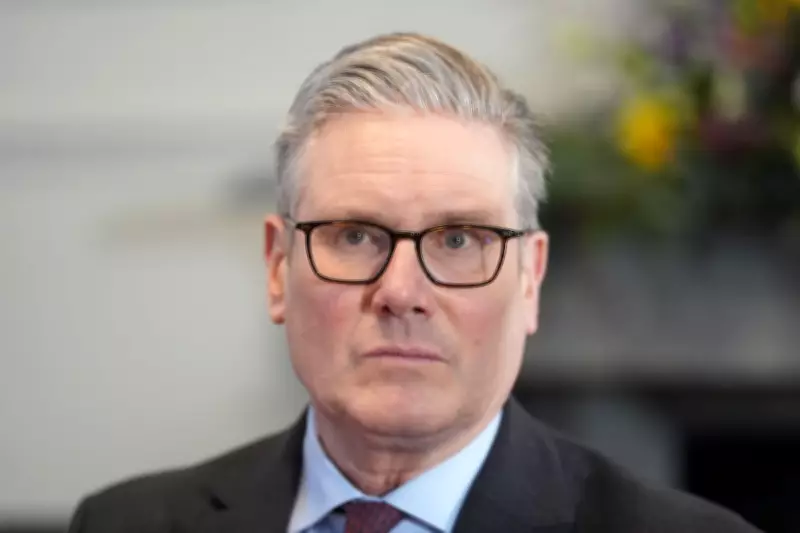
Prime Minister Sir Keir Starmer is set to unveil a significant package of support for households struggling with soaring heating oil costs, as former US President Donald Trump issues a stark warning about the future of the NATO alliance. The dual developments come amid escalating tensions in the Middle East following the Iran crisis, which has disrupted global energy markets and triggered a sharp increase in living expenses.
Heating Oil Support for Vulnerable Households
Sir Keir Starmer will announce a £50 million support package specifically targeted at the most vulnerable households who rely on heating oil to warm their homes. Approximately 1.5 million homes across the United Kingdom use heating oil, and prices have doubled since the conflict began, placing immense financial pressure on families already grappling with cost-of-living challenges.
In a statement from Downing Street, the Prime Minister will emphasise his government's commitment to supporting working people through the crisis. "It's moments like this that tell you what a Government is about," Sir Keir is expected to say. "My answer is clear. Whatever challenges lie ahead, this Government will always support working people. That is my first instinct – my first priority – to help you with the cost of living through this crisis."
The Prime Minister will also address concerns about potential exploitation by suppliers, warning that companies cancelling orders and then raising prices could face legal action. "I will not tolerate companies trying to exploit this crisis to make money from working people... if the companies have broken the law, there will be legal action," he will declare.
Trump's NATO Ultimatum and Military Demands
Meanwhile, Donald Trump has issued a grave warning about the future of the NATO alliance, stating that its viability is at stake unless member states, including the United Kingdom, provide military assistance in the Middle East. In an interview with the Financial Times, Trump reiterated his call for allied nations to help secure the Strait of Hormuz, a critical oil and gas route currently blockaded by Iranian forces.
"It's only appropriate that people who are the beneficiaries of the strait will help to make sure that nothing bad happens there," Trump told the newspaper. He has previously called for the UK, China, France, Japan, and South Korea to deploy naval vessels to the region. Trump expressed frustration with Sir Keir's refusal to allow US forces to use UK bases during the initial attacks against Iran, describing NATO as a "one-way street."
"The UK might be considered the number one ally, the longest serving et cetera and when I asked for them to come, they didn't want to come," Trump said. "And as soon as we basically wiped out the danger capacity from Iran, they said, 'oh well we'll send two ships', and I said, 'we need these ships before we win, not after we win'. I've long said that NATO is a one-way street."
UK's Diplomatic and Military Stance
Despite Trump's demands, Sir Keir appears set to reject the call for Royal Navy warships to be deployed to the Strait of Hormuz. Instead, the UK is considering sending mine-hunting drones to the region as a alternative measure. This decision reflects the Prime Minister's cautious approach to military involvement, which he defended by criticising political rivals who would have "rushed the UK headlong into this war without the full picture."
Allies of Sir Keir have downplayed Trump's warnings, with Work and Pensions Secretary Pat McFadden describing the US presidency as "very transactional" but emphasising the enduring depth of the UK-US relationship. "It's a good relationship. It's enduring and I think it will outlast all the personalities involved," McFadden told Sky News.
Sir Keir and Trump spoke on Sunday for the first time since the US president's call for allied assistance, discussing the importance of reopening the Strait of Hormuz to end global shipping disruptions. A Downing Street spokeswoman confirmed the leaders "discussed the ongoing situation in the Middle East and the importance of reopening the Strait of Hormuz to end the disruption to global shipping, which is driving up costs worldwide."
Broader Regional and Humanitarian Context
The Prime Minister has argued that de-escalation of the war is the quickest way to reduce cost-of-living pressures for the British public. Meanwhile, Foreign Secretary Yvette Cooper has mobilised more than £5 million in aid for humanitarian organisations in Lebanon, where conflict between Israel and Hezbollah has created a severe humanitarian crisis. Cooper expressed grave concern about "the developing conflict in Lebanon and the scale of the humanitarian impact."
In a related incident, a drone-related fire near Dubai International Airport forced a temporary suspension of flights on Monday, highlighting the broader regional instability and its potential to disrupt international travel and commerce.
As the situation continues to evolve, the UK government faces the dual challenge of addressing domestic economic pressures while navigating complex international diplomatic and military demands. Sir Keir's heating oil support package represents a direct response to the immediate needs of British households, even as his administration carefully calibrates its response to the escalating crisis in the Middle East.