Trump's $10 Billion IRS Lawsuit Raises Conflict of Interest Concerns
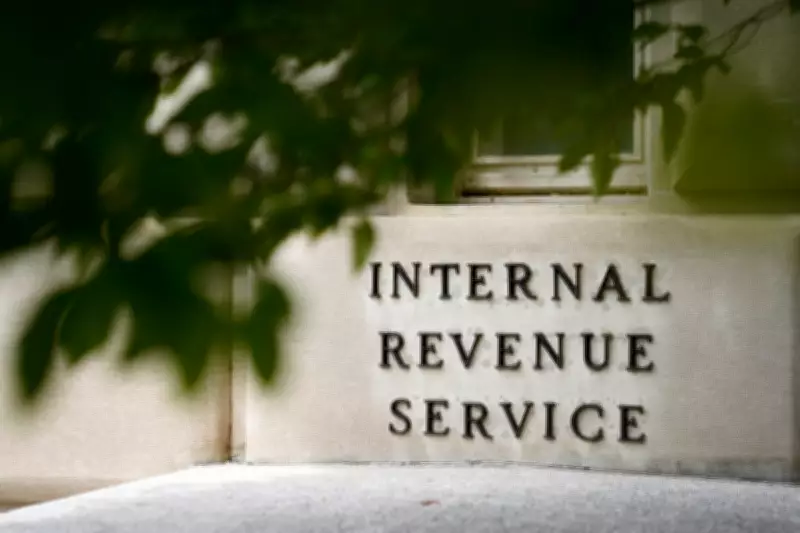
Legal experts have raised significant concerns over President Donald Trump's $10 billion lawsuit against the Internal Revenue Service (IRS) regarding leaked tax information. The case, which includes Trump's sons Donald Jr. and Eric as plaintiffs, was filed in federal court in Florida on Thursday and alleges substantial reputational and financial harm from the disclosure.
Legal and Ethical Questions Emerge
The lawsuit has prompted a wave of scrutiny from legal analysts who question the propriety of the leader of the executive branch pursuing aggressive litigation against the very government he oversees. This situation creates a unique conflict of interest, as Trump is effectively suing an agency within his own administration. The case centres on the leak of confidential tax records belonging to Trump and the Trump Organization, which the plaintiffs claim caused public embarrassment and damaged their business reputations.
Background of the Tax Leak Incident
In 2024, former IRS contractor Charles Edward Littlejohn, who worked for defence and national security tech firm Booz Allen Hamilton, was sentenced to five years in prison after pleading guilty to leaking tax information. The leaks, which occurred between 2018 and 2020, involved sensitive data about Trump and other high-profile individuals. While the outlets were not named in charging documents, the timing and details align with reports by The New York Times and ProPublica. Notably, a 2020 New York Times investigation revealed that Trump paid only $750 in federal income tax the year he entered the White House and no income tax in some years due to reported significant losses.

Legal Framework and Precedent Concerns
Legal analysts acknowledge that Trump has a legitimate claim under IRS Code 6103, one of the strictest confidentiality laws in federal statute, which provides a minimum of $1,000 per disclosure for individuals whose tax information is leaked. However, the $10 billion figure and the decision to pursue the case have been questioned. Since Littlejohn also stole tax records of other billionaires like Jeff Bezos and Elon Musk, this lawsuit could set a precedent for other wealthy individuals to seek compensation from the government.
Potential for a Wave of Similar Lawsuits
David Gair, a tax attorney representing individuals affected by the Littlejohn leak, noted that several clients have already inquired about filing claims against the government. He observed that people are asking, "if he can do it, then why can't I?" This sentiment suggests a potential influx of similar lawsuits, as others may seek to piggyback on Trump's legal actions. Gair also highlighted that while individuals don't need to prove compensatory damages in such cases, Trump is additionally seeking punitive damages, which raises the stakes significantly.
Existing Remedies and Settlement Risks
Amy Hanauer, executive director at the Institute on Taxation and Economic Policy, pointed out that legal remedies have already been applied. Littlejohn is imprisoned, the Trump administration's Treasury Department cancelled contracts with Booz Allen Hamilton, and the IRS issued a public apology while pledging to strengthen data protection. Hanauer warned of the danger that the IRS might settle and pay a large sum of taxpayer dollars to Trump, even if a judge deems the demands unreasonable.
Trump's Response and Charitable Pledge
When questioned about managing both sides of the lawsuit, Trump referenced a previous complaint against the Department of Justice and quipped that he is supposed to "work out a settlement with myself." He suggested that any settlement money could go to charity, stating on Saturday, "We could make it a substantial amount. Nobody would care because it's going to go to numerous very good charities." A White House representative did not provide details on potential recipient organisations.

Challenges in Proving Harm
Gair expressed scepticism about Trump's ability to demonstrate real harm, given the business deals secured by Trump's family since his re-election. He remarked, "It's hard for me to believe that he really had any losses, but maybe." This underscores the complexities of the case, where punitive damages are sought despite questions over tangible financial impact.