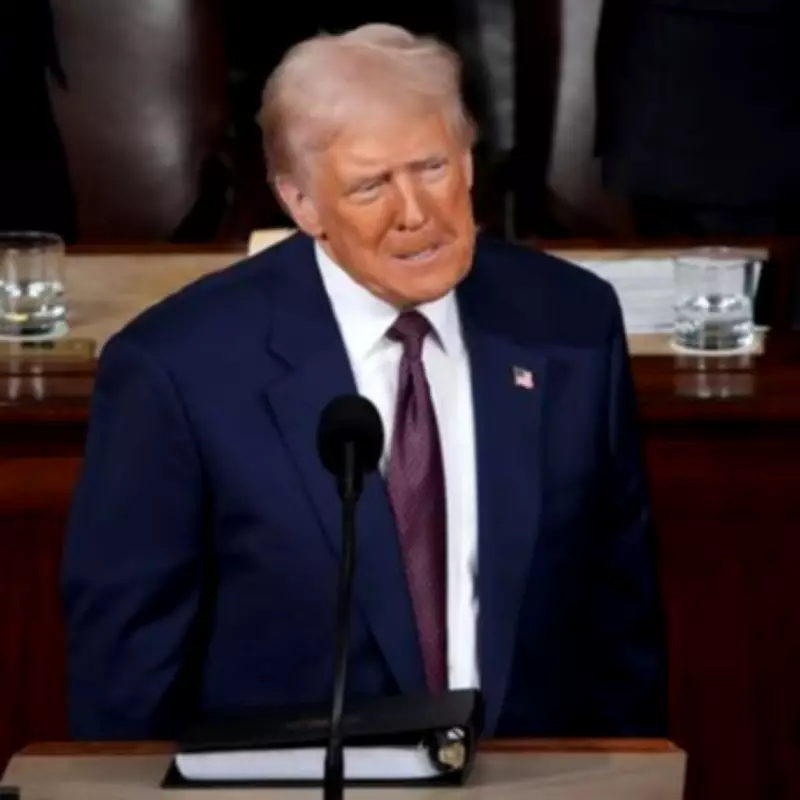
Donald Trump is set to deliver his annual State of the Union address to Congress on Tuesday, 24th February 2026, at 9pm ET (2am UK time). This speech arrives at a critical juncture for the President, with his approval ratings plummeting to an all-time low—lower than any other President at this stage in a second term. As he prepares to assert that "the state of our union is strong," Trump confronts the stark reality of an anticipated heavy defeat in the upcoming November midterm elections.
Key Issues to Watch in Trump's 2026 State of the Union
Trump's strategists have urged him to focus on core voter concerns, particularly the spiralling cost of living. However, expectations for message discipline are minimal, given the President's tendency to diverge into tangential topics. The address is likely to be eventful, with several focal points emerging.
Affordability and Cost of Living
The Trump administration has emphasised efforts to address affordability, such as a deal to lower drug prices. Yet, Trump often frames economic struggles as a Democratic hoax or claims they are already resolved, which may not resonate with families grappling with rising prices. His recent "affordability tour" focused heavily on tariffs—a policy critics argue increases living costs—and he has diverted attention to issues like promoting weedkiller production or discussing the Epstein Files, where he claims exoneration despite evidence to the contrary.

Iran and Potential Military Strikes
By the time of the speech, there is a significant chance the US will have launched strikes against Iran, following reports of troops being served elaborate meals, hinting at imminent action. This development could dominate the address, with all eyes on Trump's remarks regarding Iran and any escalation in tensions.
Tariffs and Supreme Court Tensions
Trump's tariffs, a cornerstone of his agenda, were recently ruled illegal by the Supreme Court. When asked if Justices would still be invited to the State of the Union, Trump replied, "Yes, barely." Their front-row presence may create an awkward atmosphere, and Trump is expected to criticise the decision, undermining his affordability message. Tariffs remain unpopular, with many blaming them for increased shopping costs, yet Trump continues to champion them and seek loopholes for their continuation.
Special Guests and Symbolic Gestures
Presidents typically invite special guests, such as public servants or individuals symbolising policy agendas, to add emotional weight to speeches. In the past, Trump has featured the family of Otto Warmbier to highlight tensions with North Korea and awarded Rush Limbaugh the Presidential Medal of Freedom mid-speech in 2020. While this year's guests are unknown, their identities are likely to be heavily promoted on the day, serving as props to bolster Trump's narrative.
Protests and Political Disruption
Recent addresses have been interrupted by Democratic protests. Last year, Congressman Al Green shouted objections to Medicaid cuts, refused to sit, and was escorted out. Democrats held signs like "Save Medicaid" and "No King!", indicating potential disruptions this year as well. Such protests could highlight divisions and add to the speech's contentious nature.
Length and Delivery Style
Trump's 2025 speech set a record at 100 minutes, and this year's address is anticipated to be even longer. His tendency for lengthy, unfocused remarks may dilute key messages, particularly on affordability, as he veers into topics like Iran or personal grievances.
Overall, Trump's 2026 State of the Union is poised to be a tense and lengthy affair, marked by low approval ratings, policy contradictions, and political theatrics. As he faces a challenging electoral landscape, the speech will test his ability to connect with voters while navigating internal and external pressures.