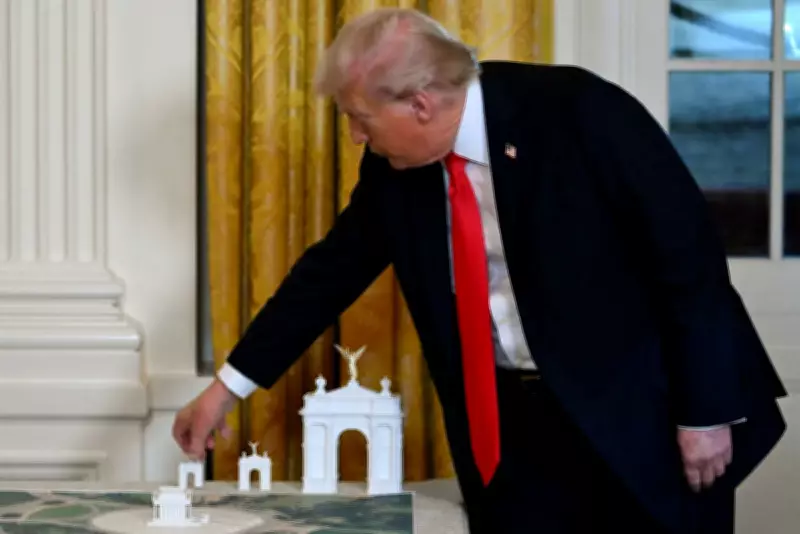
Donald Trump is reportedly planning a monumental "Independence Arch" in Washington, D.C., with a proposed height of 250 feet, which would significantly exceed the stature of iconic landmarks such as the Lincoln Memorial and the White House. This ambitious project is intended to commemorate America's 250th anniversary of independence, with Trump viewing its substantial size as a powerful symbol of national pride and historical celebration.
Architectural and Preservation Concerns
Architects and preservationists have raised serious concerns about the potential impact of such a towering structure on the capital's historic landscape. They argue that the arch could overwhelm existing memorials and disrupt the aesthetic harmony of Washington, D.C., which is renowned for its carefully planned vistas and architectural integrity. The debate centres on whether modern additions should prioritise scale over the preservation of the city's cherished historical character.
Funding and Regulatory Hurdles
Funding for the "Independence Arch" is expected to be sourced from private donations, reflecting a trend in large-scale projects relying on non-governmental support. However, the proposal must undergo extensive federal review and approval processes, involving bodies like the National Park Service and the Commission of Fine Arts. These regulatory steps are crucial to ensure compliance with heritage protection laws and urban planning guidelines, potentially posing significant delays or modifications to the original plans.

Related Developments: White House Ballroom Controversy
In a separate but related development, Trump's plans for a 90,000-square-foot White House ballroom, which involves the demolition of the historic East Wing, are facing legal challenges. Critics question the necessity of congressional approval for such alterations, highlighting ongoing tensions between executive ambitions and legislative oversight in federal property modifications. This ballroom project, if realised, would be as tall as the White House itself, further emphasising the scale of Trump's architectural visions.
The proposal for the "Independence Arch" and the associated ballroom plans underscore broader discussions about the balance between commemorative grandeur and historical preservation in American public spaces. As these projects move forward, they are likely to spark continued debate among policymakers, heritage experts, and the public regarding the future of Washington, D.C.'s iconic skyline.