Trump's 'Find Out' Policing Philosophy Collides With Reality in Minnesota
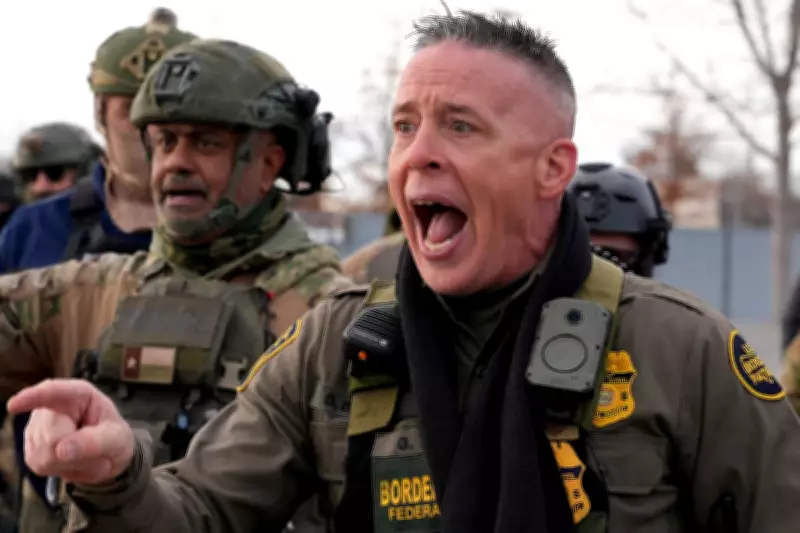
The Trump administration's much-vaunted "F* Around and Find Out" approach to governance was never merely rhetorical bravado, and the state of Minnesota has become its latest and most costly testing ground. What began as political theatre has transformed into deadly ideological combat on American streets, with civilian policing now operating under a militarised framework that prioritises confrontation over de-escalation.
From Political Slogan to Deadly Reality
Years of Trump-era posturing have fundamentally reshaped federal law enforcement's operational mindset, creating a culture where agents are trained to perceive noncompliance as immediate threat and respond with disproportionate force. This philosophical shift, enthusiastically championed by Defense Secretary Pete Hegseth and his allies, has now produced its inevitable consequences: two Minnesota civilians dead following encounters with federal agents, with one fatality occurring after an individual brandished a mobile phone and another after a vehicle moved at minimal speed.
The political fallout has been immediate and severe. President Trump's approval ratings on immigration enforcement have plummeted to record lows, with even traditionally supportive Americans expressing discomfort with the administration's escalation. White House denials regarding Border Patrol reassignments and the status of so-called "border czar" Tom Homan have done little to quell the growing crisis, as Republicans facing midterm elections grow increasingly anxious about voter backlash.
The 'Warrior Ethos' and Its Civilian Consequences
At the heart of this controversy lies what critics describe as a dangerous fantasy: the notion that American domestic policing should operate according to military combat principles rather than civilian protection protocols. This "warrior ethos," promoted relentlessly by Secretary Hegseth and embraced throughout Trump's law enforcement apparatus, reimagines police officers as soldiers, urban areas as hostile territories, and noncompliance as justification for lethal response.
The aesthetic appeal of this approach – with its tactical gear, militarised language, and constant invocation of battlefield metaphors – has proven politically potent for years. However, its practical application has revealed fundamental flaws, particularly its dismissal of traditional policing virtues like de-escalation, proportionality, and the presumption that not every encounter must end with physical domination.
Political Reckoning and Institutional Damage
The Minnesota incidents have triggered a political reckoning that extends beyond typical partisan boundaries. Calls for Homeland Security Secretary Kristi Noem's resignation circulate among both Republican and Democratic circles, while the administration's characteristic response – dismissing unfavourable polling as fraudulent and threatening criminal consequences for critics – appears increasingly inadequate to the crisis.
More significantly, the events have exposed deep contradictions within the MAGA movement itself. A political project built upon perpetual escalation and confrontational rhetoric now struggles to reconcile its foundational principles with public revulsion at their practical implementation. The administration finds itself attempting rhetorical retreats while simultaneously launching fresh attacks, creating a confusing message that satisfies neither critics nor core supporters.
Lasting Institutional Consequences
Perhaps most troubling for the administration is the recognition that institutional changes prove more durable than political messaging. A federal law enforcement apparatus systematically trained to valorise force and view civilian populations through a lens of suspicion cannot simply rediscover restraint when political optics turn unfavourable. The cultural transformation advocated by Hegseth and implemented across multiple agencies has created expectations and behaviours that will outlast any temporary public relations adjustments.
As the midterm elections approach, Republican lawmakers face an uncomfortable reality: the very "warrior ethos" that once promised political advantage now threatens electoral disaster. The bumper-sticker sloganeering of "FAFO" has collided with the messy complexities of constitutional rights, public accountability, and the basic expectations Americans hold regarding law enforcement conduct. What began as political theatre has become institutional crisis, with consequences that will reverberate long after the current news cycle concludes.