Trump's Reluctance to Fire Shields Embattled DHS Secretary
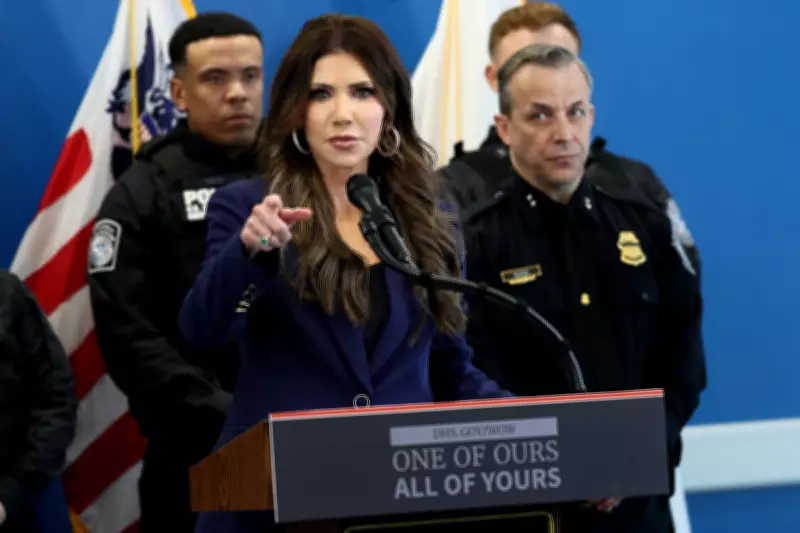
In a significant departure from his first administration's notorious turnover, President Donald Trump has maintained what observers term a "no scalps" policy, keeping controversial Homeland Security Secretary Kristi Noem in position despite mounting crises. This approach stems directly from Trump's reflection on what he now considers past weakness: firing advisers too readily in response to media pressure.
The Flynn Precedent and Changed Approach
The president's current restraint finds its origins in one of his most public regrets: the dismissal of Michael Flynn just 22 days into his first term. The former national security adviser's removal over contacts with Russian officials established a pattern Trump now seeks to avoid. According to sources close to the administration, Trump returned to power determined to avoid repeating the cabinet instability that characterised his initial presidency, which saw the highest turnover in modern history.
This determination explains why several officials remain in post despite controversies that would previously have prompted immediate dismissal. United Nations Ambassador Mike Waltz continues in his role despite reportedly sharing classified information, while Noem retains her position following what many consider disastrous handling of the Minneapolis situation.
Minneapolis Crisis and Administrative Response
The recent turmoil in Minneapolis presented the administration's most severe test of this new approach. Following the killing of Alex Pretti and widespread criticism of Noem's response, the secretary faced intense scrutiny. Rather than removing her, Trump dispatched Border Czar Tom Homan to assume control and de-escalate tensions, effectively sidelining Noem without formal dismissal.
Similarly, Greg Bovino, the Border Patrol "commander-at-large" whose aggressive tactics sparked protests, has been quietly returned to his previous position in California rather than publicly fired. This careful management of personnel issues represents a marked shift from Trump's previously impulsive approach to staffing decisions.
The Political Kiss of Death
Despite public expressions of confidence, Trump delivered what Italian observers might term Il bacio della morte – the kiss of death – to Noem by pointedly excluding her from speaking during the administration's first cabinet meeting of the new year. In Trumpworld, where public loyalty displays and media attacks serve as crucial currency, such exclusion often proves more damaging than outright dismissal.
Noem faces mounting criticism from multiple directions. Congressional members from both parties have expressed frustration with her refusal to participate in standard oversight hearings, breaking with precedent established since the department's creation under George W. Bush. More critically, key Republican senators – whose support Trump needs for legislative priorities and nominations – have delivered scathing assessments of her performance following the Pretti shooting aftermath.
Looming Midterms and Replacement Conversations
With midterm elections approaching and Republican polling growing increasingly concerning, pressure mounts for the administration to demonstrate competence and accountability. Noem's perceived ineptitude makes her a potential scapegoat as the party seeks to maintain control of Congress.
Conversations about potential replacements have already begun within Trump's circle. Names reportedly under consideration include former Virginia governor Glenn Youngkin, ex-Utah congressman and Fox News commentator Jason Chaffetz, current EPA Administrator Lee Zeldin, and even Border Czar Tom Homan, though the latter would face significant confirmation challenges.
The administration's delicate balancing act – maintaining stability while responding to political pressures – faces its sternest test as election season intensifies. Whether Trump's "no scalps" policy can withstand the demands of a difficult midterm campaign remains uncertain, with Noem's position representing the most immediate and visible indicator of this tension.