Trump's Pardon Process Descends into Chaos as Staff Struggle to Keep Up
President Donald Trump's approach to granting presidential pardons has descended into a state of "chaos," with even his own White House staff reportedly struggling to keep pace with the haphazard and unpredictable nature of the process. According to a detailed report, the lack of a structured system has left insiders admitting they cannot maintain order, describing the situation as fundamentally disordered.
Pardon Czar Blocked from Access
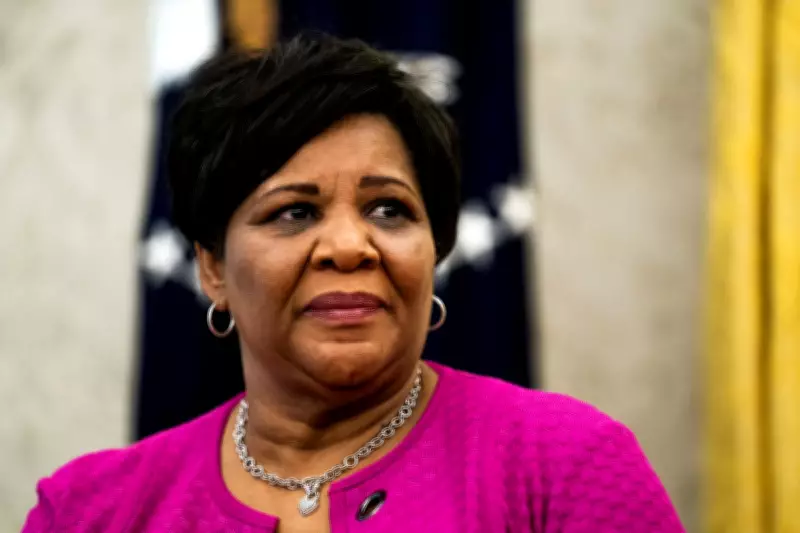
Trump appointed Alice Marie Johnson as his "pardon czar" upon returning to the Oval Office in January 2025, following her own clemency during his first term, facilitated by Kim Kardashian. However, Johnson faced significant obstacles in securing meetings with the president late last year to discuss potential candidates for reprieve. One scheduled sit-down was abruptly cancelled, forcing Johnson to corner Trump at Mar-a-Lago on New Year's Eve to advance her agenda.
Approximately two weeks after that impromptu meeting, Johnson announced pardons for four NFL players, covering crimes from perjury to drug trafficking. This marked the first batch approved in months and the largest since the previous May, with only sporadic appeals signed off in between. "There is no process, there is no right way to do this," a White House insider involved in the pardoning process revealed. "It's chaos."

Chief of Staff Tightens Controls
Sources indicate that White House Chief of Staff Susie Wiles is responsible for blocking Johnson's access to Trump. Wiles has taken decisive action to tighten the process, driven by growing concerns over the "optics" of pardons and fears that individuals might seek to profit from them. Her intervention aims to impose some semblance of order on a system that appears increasingly erratic.
In response, a senior White House official attempted to downplay the turmoil, insisting, "It may seem chaotic, but there's a defined process in place." Another official denied any changes to the process, attributing Johnson's cancelled meeting to the president's naturally unpredictable schedule. They stated, "The administration has always had a robust review process which involves the Department of Justice, Alice Johnson, and the White House Counsel's office. Ultimately, President Trump is the final decider. Susie is simply ensuring the process, which has always existed, is followed."
Unstructured Review and Skyrocketing Numbers
The president reportedly has no designated time in his schedule to review clemency petitions, and the administration lacks a set target for the number of pardons to grant. NOTUS reports that nearly a dozen people are working on pardons at any given time. Johnson previously described personally presenting cases to Trump in the Oval Office, accompanied by Wiles and White House Counsel David Warrington, emphasizing the need for clear explanations.
To date, Trump has pardoned approximately 1,700 individuals since beginning his second term, a stark increase from the 237 pardons issued during his first term. This surge began with a controversial blanket pardon of 1,500 people prosecuted by the Biden-era Department of Justice for their involvement in the January 6, 2021, Capitol riot. Trump disregarded advice to grant clemency case-by-case, opting instead to avoid distinctions based on offense severity.
Controversial and Baffling Pardons
Trump has since issued a historic number of pardons for white-collar criminals and political allies accused of fraud, bribery, and corruption. Critics argue he is using executive powers to "redefine what is criminal," from bailing out supporters to "normalizing public corruption" and downplaying fraud convictions, according to former pardon attorney Liz Oyer.

Some pardons have caused widespread bafflement, notably the clemency granted to former Honduran president Juan Orlando Hernandez, sentenced to 45 years for drug-trafficking and weapons charges, even as his administration targeted Venezuela's Nicolas Maduro on similar grounds. Another puzzling case involved Chinese billionaire Changpeng Zhao, who pleaded guilty to anti-money laundering violations in 2023. Trump dismissed it as a "witch hunt," despite admitting, "I don't know who he is."
So far, Trump has resisted pardoning Jeffrey Epstein accomplice Ghislaine Maxwell or rapper Sean "Diddy" Combs, though he faces frequent inquiries about such possibilities. The ongoing disarray underscores the challenges within his administration as staff grapple with a pardon process that remains deeply unstructured and chaotic.