

UK Aid Cuts Threaten Water and Sanitation Rights for Women and Girls Globally
One year after the government announced significant reductions to the UK's international aid budget, concerns are mounting over the impact on fundamental human rights. Rupa Huq, chair of the All-Party Parliamentary Group on Water, Sanitation and Hygiene, argues that the UK must prioritise access to clean water and sanitation for women and girls worldwide, a commitment now at risk due to funding shortfalls.
The Critical Role of WASH Services
WASH services—encompassing water, sanitation, and hygiene—are essential for public health and development. They play a vital role in reducing the nearly 400,000 annual deaths of young children from diseases like cholera and diarrhoea. Globally, one in four people still lack safe drinking water, highlighting a persistent crisis.
However, the implications extend beyond health. The United Nations has linked inadequate water and sanitation to broader issues, including food shortages and supply chain disruptions that can ignite conflicts. The All-Party Parliamentary Group on WASH, supported by WaterAid, has warned that previous cuts to UK aid spending on these services jeopardise national health security by increasing the spread of infectious diseases and antibiotic-resistant superbugs.

Public Support and Political Responsibility
Public opinion underscores the importance of this issue, with 54 percent of the British public ranking clean water and toilets as top priorities for development aid. This sentiment should guide MPs and government officials in their budgetary decisions.
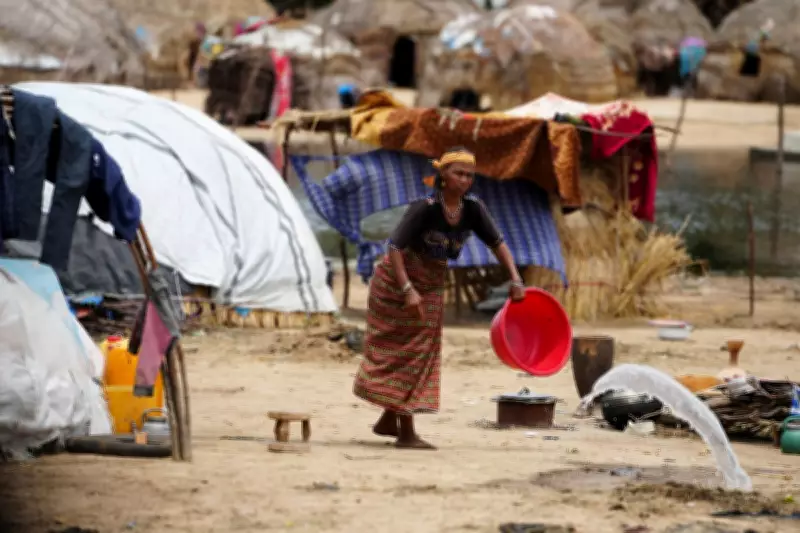
Failure to provide these basic services severely hampers efforts to empower women and girls. Women disproportionately bear the burden of water collection, which pulls them away from education and employment and exposes them to greater risks of gender-based violence. Evelyn Mere, WaterAid's country director in Nigeria, emphasised this point, noting that girls often miss school due to inadequate menstrual hygiene facilities, undermining their educational and life prospects.
The Impact of Aid Reductions
Alarmingly, WASH services are likely targets in the ongoing aid cuts, which will strip £6.5 billion from the budget by 2028—a reduction of approximately 40 percent. Ministers have indicated a shift away from direct delivery of WASH services, advocating for partnerships with developing countries to strengthen their capabilities. While collaboration is welcome, it must not serve as a pretext for cuts.
This approach risks repeating past mistakes, such as the 78 percent cut to WASH spending earlier this decade, which contradicted the UK's commitment to the UN goal of universal access by 2030. Additionally, the UK-Nigeria strategic partnership, aimed at fostering economic growth and reducing aid dependency, is undermined by insufficient WASH funding. WaterAid estimates that Nigeria could benefit from a $26 billion sanitation economy by 2030, creating jobs and boosting small businesses, if adequate investment is made.
A Call for Action
Rupa Huq stresses that the government's promise to place women and girls at the heart of international work cannot be fulfilled without securing basic rights to water, sanitation, and hygiene. As the UK navigates its aid priorities, it must avoid retreating from its responsibilities and instead champion these essential services to support global health, empowerment, and economic stability.






