Vice President Vance's Minneapolis Visit Amid Immigration Enforcement Controversy
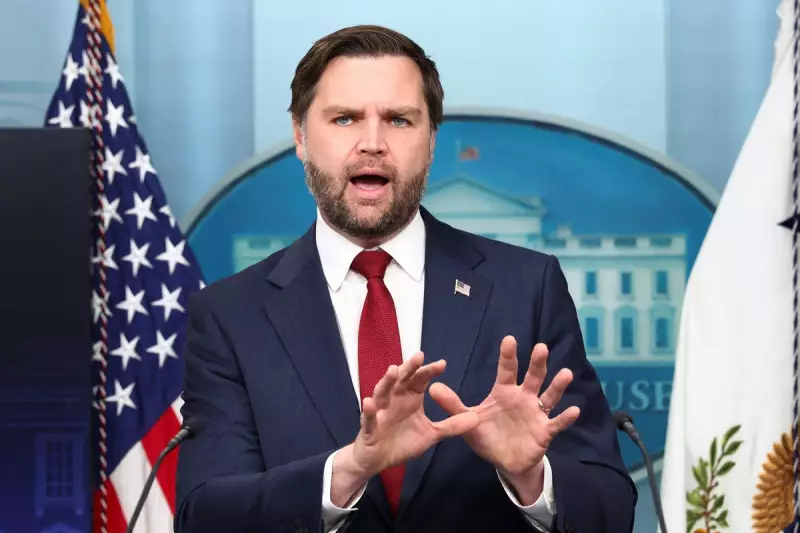
Vice President JD Vance is en route to Minneapolis on Thursday, arriving in a city gripped by escalating tensions following the fatal shooting of Renee Good by Immigration and Customs Enforcement (ICE) agents. The visit comes as mass protests and confrontations continue to roil the city, with President Donald Trump having previously threatened military intervention to restore order.
Focus on Law and Order Amid Sanctuary City Dispute
According to a White House official, Vance's itinerary includes meetings with ICE personnel and a planned speech that will commend their enforcement efforts while sharply criticising Minneapolis's sanctuary policies. These local regulations limit cooperation with federal immigration authorities, a stance Vance is expected to condemn as undermining national law enforcement. His office stated the vice president will concentrate on "restoring law and order in Minnesota", framing the trip as a direct response to the ongoing civil unrest.
The Department of Justice has intensified federal scrutiny this week, issuing subpoenas to several Minnesota officials, including Governor Tim Walz, a vocal critic of the Trump administration's handling of the crisis. Meanwhile, the U.S. Army has ordered dozens of additional active-duty soldiers to prepare for potential deployment to Minneapolis, a defence official confirmed on Wednesday, signalling the gravity of the situation.

Escalating Federal Presence and Political Rhetoric
Approximately 3,000 federal law enforcement officers are currently deployed in the Minneapolis area, part of a show of force the Trump administration claims targets immigration violations and a fraud investigation within the local Somali community. Vance has emerged as one of the administration's most prominent defenders of ICE's aggressive tactics, consistently condemning protests against the White House's immigration crackdown.
In remarks made the day after Good's shooting, Vance asserted, without providing evidence, that she was in Minneapolis "to interfere with a legitimate law enforcement operation in the United States of America". He described her as part of "a broader left-wing network to attack, to dox, to assault and to make it impossible for our ICE officers to do their job". These claims have been widely disputed, as it later emerged Good was returning home after dropping her six-year-old son at school when she encountered ICE agents.
Conspiracy Theories and Public Opinion Shifts
Vance has further suggested that protests against the administration's heavy-handed immigration enforcement are inauthentic, alleging they are organised and funded by subversive groups. He questioned, "When somebody throws a brick at an ICE agent, or somebody tries to run over an ICE agent, who paid for the brick? And who told protesters to show up and engage in violent activity against our law enforcement officers?"
These assertions appear rooted in a debunked right-wing conspiracy theory that surfaced during the 2020 George Floyd protests, which falsely claimed pallets of bricks were strategically placed for rioters. Multiple fact-checking organisations determined those bricks were for legitimate construction projects.
Vance's visit coincides with mounting evidence that public support for the administration's immigration tactics is eroding. A CNN survey conducted after Good's shooting found most adults viewed the incident as unjustified and part of broader problems within ICE, believing the agency makes cities less safe. A CBS poll revealed 61% of Americans consider ICE overly aggressive during detentions, while a Wall Street Journal survey showed a majority of voters now disapprove of Trump's handling of immigration.
The convergence of federal action, political rhetoric, and civilian protest in Minneapolis underscores the deepening national divide over immigration enforcement, with Vance's trip likely to inflame rather than quell the ongoing tensions.