The diplomatic storm ignited by Donald Trump's recent comments questioning Nato allies' commitment in Afghanistan has cut particularly deep among the veterans who served alongside American troops in that gruelling conflict. Soldiers from nations including Poland, Canada, and the United Kingdom have voiced profound outrage, describing the former US president's remarks as a profound insult to their service and sacrifice.
A Personal Wound for Those Who Served
For Bruce Moncur, a former Canadian reservist, the comments reopened old and painful wounds. In 2006, while stationed west of Kandahar City, Moncur's camp was strafed by an American A-10 Warthog in a devastating friendly fire incident. The attack killed one Canadian soldier and left five others, including Moncur, gravely wounded.
"Our friends needed help and I and so many others answered that call. Now, my sacrifices are being thrown in my face as 'not enough'," said Moncur, who suffered a severe head injury requiring the removal of nearly five percent of his brain. "Nobody named Trump was on the frontline with me. And his sons were nowhere to be seen in the Afghan desert." He accused Trump of showing "deep disrespect" towards all veterans.

The Political Firestorm and a Partial Climbdown
Trump provoked widespread condemnation after stating that Nato allies had "stayed a little off the frontlines" in Afghanistan during an interview with Fox News. UK Prime Minister Keir Starmer labelled the comments "insulting and frankly appalling," a sentiment echoed by leaders across the alliance.
In a rare partial retreat, Trump later posted on Truth Social, praising UK troops as "among the greatest of all warriors" and acknowledging the 457 British lives lost. Reports suggest this followed private concerns expressed by King Charles. However, veterans noted this post contained no apology for the initial slur and failed to retract the denigration of other allied nations' contributions.
Allied Sacrifices on the Frontlines
The historical record starkly contradicts Trump's implication that allies avoided danger. Nato's Article 5 mutual defence clause was invoked for the first and only time after the 9/11 attacks, leading to the deployment of thousands of allied troops to Afghanistan.
Over the 20-year conflict, 3,486 Nato service members died. While 2,461 were American, allies often faced proportionally high death rates. For instance, Canada moved its troops from the relative safety of Kabul to the deadly Kandahar frontlines in 2006 as part of Operation Medusa, primarily to relieve US forces. The vast majority of Canada's 159 combat deaths occurred during this perilous period.
"All countries saluted," recalled Moncur of the sombre ramp ceremonies for fallen comrades. "We showed our respect – as one."
Voices from Poland and the UK
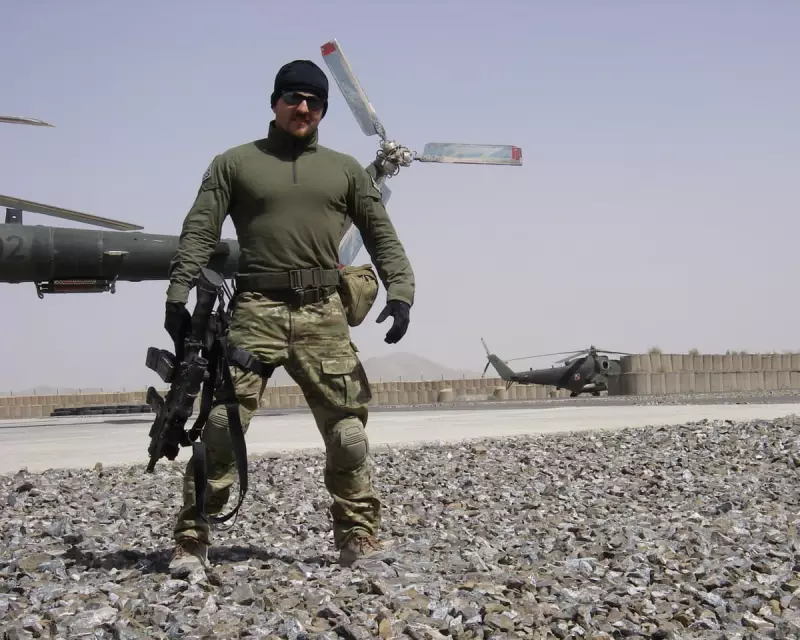
In Poland, which sent over 33,000 personnel to Afghanistan and lost 44, veteran Paweł "Naval" Mateńczuk spoke out. "What we carry with us as veterans is not just the gruelling experience of active combat, but the loss of our friends," said Mateńczuk, a special forces veteran deployed four times. He argued that if anyone is owed an apology, it is the families of the fallen. "There are so many Polish widows and orphaned children. If anyone is owed an apology, it's them."
Polish Prime Minister Donald Tusk responded on social media, recalling a 2011 ceremony in Ghazni where American officers told him "America would never forget the Polish heroes." The Polish defence minister subsequently published the full list of their nation's 44 fallen.
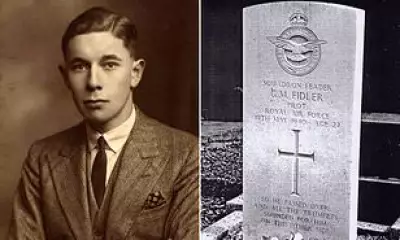
In the UK, where 457 troops died and 2,000 were wounded, condemnation crossed political lines. Richard Streatfield, a former army major who commanded 150 troops in Sangin – described as the most violent town in Helmand province – called Trump's comments "deeply insulting."

"We put in huge amounts of effort and some paid the ultimate sacrifice," said Streatfield, who saw five of his company killed and 50 wounded. "To be told that your service was not as demanding or as difficult as the Americans' is untrue." He believes the American troops he served alongside would be "ashamed" of Trump's remarks, which diminish their own shared sacrifice.
A History of Disparagement and Lasting Hurt
Trump, who avoided the Vietnam-era draft five times, has a long history of controversial statements regarding the military. For the veterans now speaking out, the pain caused by his latest comments is compounded by their direct experience of loss and the bond forged with American comrades in combat.
Mateńczuk noted that while soldiers often try to remain numb to political rhetoric, the timing was particularly painful. "Today is the anniversary of my friend's death in Afghanistan and it's hard to just look past that," he said.
Streatfield offered a final, pointed rebuke, linking Trump's words to his policies: "We are very passionate about the job that we did in Afghanistan which was, to a large extent, undermined by Donald Trump's own decisions. He's the one who set the timetable for the Taliban to get back into power." He concluded with a simple plea for respect: "If you haven't served, don't do anything other than respect those people who have."
For Moncur and many others, the damage is done. "To see how America treats its friends now – who needs enemies?" he asked, summarising the profound sense of betrayal felt by those who answered the call after 9/11, only to have their service questioned decades later.