Maryland Governor Wes Moore Asserts Independence from Democratic Party Leadership
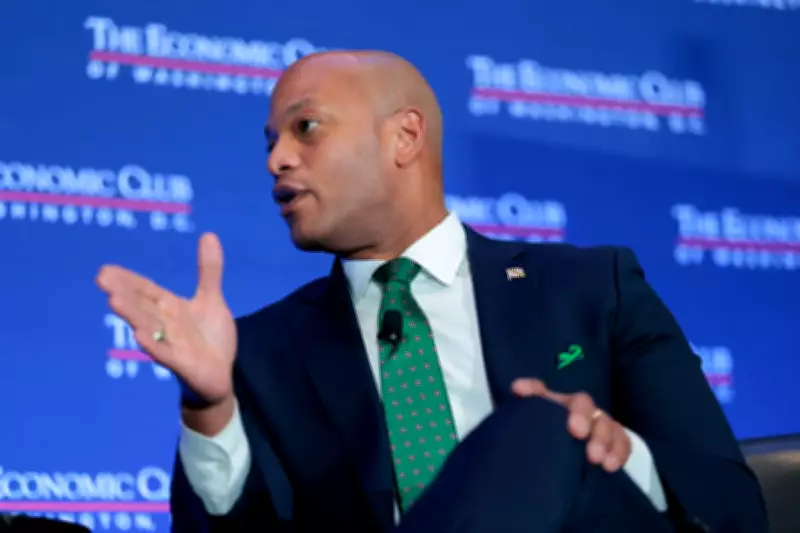
Maryland Governor Wes Moore, a prominent Democrat, has publicly distanced himself from his own party's establishment, declaring that he does not "answer to party bosses." The remarks were delivered during a keynote address at Politico's 2026 Governors Summit in Washington, D.C., on Thursday, 19 February 2026. Governor Moore, who is widely speculated to be a potential contender for the Democratic presidential nomination in 2028, used the platform to emphasise his political autonomy and grassroots origins.
Governor Rejects Party Loyalty, Highlights Electoral Challenges
In a candid speech, Moore underscored his unconventional political background, stating, "I don't come from a political world. I don't come from a political background, I don't come from the world of punditry." He further revealed that the Democratic Party had actively opposed his initial gubernatorial campaign, investing millions of dollars to thwart his victory. "I don't answer to the Democratic Party, I don't answer to party bosses. I answer to the only people who made me the Governor of Maryland, which is the people of Maryland," Moore asserted, reinforcing his commitment to his constituents over party machinery.
Persistent Denials of 2028 Presidential Ambitions
Despite mounting speculation regarding a future White House bid, Governor Moore has consistently rebuffed such notions. At the summit, he reiterated his focus on the present, stating he is "not even thinking" about the 2028 election. Earlier in the week, in an interview with CBS News, Moore explicitly confirmed, "I'm not running for president." These denials come as he prepares for a reelection campaign this year, amid a series of legislative hurdles that have tested his administration.

Legislative Setbacks and Bipartisan Support
Governor Moore's tenure has recently encountered significant obstacles within his own party. In December, Democratic lawmakers in Maryland overrode more than a dozen of his vetoes, highlighting intra-party friction. Additionally, his efforts to redistrict the state have faced considerable pushback. Interestingly, Oklahoma Governor Kevin Stitt, a Republican, offered a defence of Moore at the Politico event, noting similar experiences with legislative overrides. "I have more respect for him now, knowing that he vetoed the bills," Stitt remarked, illustrating bipartisan empathy among governors facing supermajority opposition.
Controversy Over Potomac River Sewage Spill
Moore has also become embroiled in a high-profile environmental dispute, drawing criticism from President Donald Trump. Following one of the largest sewage spills in U.S. history in the Potomac River, Trump accused Moore of "gross mismanagement" in a Truth Social post. However, Moore's spokesperson, Ammar Moussa, swiftly countered, attributing responsibility to the federal government and the Trump administration's inaction. "The president has his facts wrong—again," Moussa stated, emphasising that the Potomac Interceptor, the source of the leak, has been under federal jurisdiction for decades.
As Governor Wes Moore navigates these multifaceted challenges, his defiant stance against party orthodoxy and steadfast denial of presidential aspirations continue to shape his political narrative, positioning him as a figure of independence within the Democratic landscape.