Historic Westminster Gas Lamps Secured Through Listed Status Protection
In a significant victory for heritage conservation, twenty-one of Westminster's historic gas lamps have been granted new protection through listed status, ensuring they will not be replaced with modern LED alternatives. This decisive move safeguards a cherished feature of the Westminster landscape, which holds UNESCO World Heritage Site designation.
Preservation of Rare Victorian Lighting
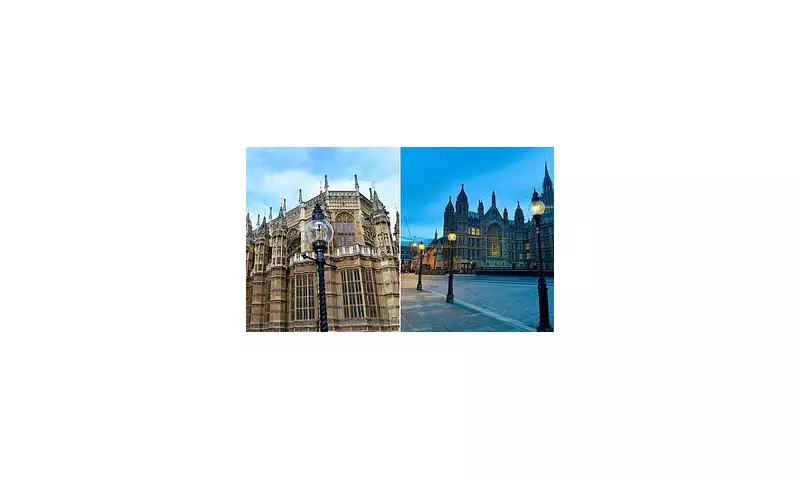
The protected streetlights, located around Peers Carpark and Old Palace Yard, include reportedly rare globe models dating back to approximately 1880. These were manufactured by the celebrated lighting company William Sugg & Co, with only a few original examples remaining in existence today. Their preservation marks a crucial step in maintaining the historical character of the parliamentary estate.
The formal protection follows the signing of a contract between Parliament and the British Gas Lamplighters, which has initiated work to re-energise and replace the mantles on all twenty-one lamps. This practical conservation effort will ensure these historical artifacts continue functioning for future generations to appreciate.

Campaign Background and Previous Successes
This development represents the latest chapter in a long-running campaign to preserve Westminster's complete collection of approximately three hundred gas lamps, which had been scheduled for conversion to LED replicas as part of climate change mitigation efforts. Previous conservation victories occurred in November 2022, when Westminster Council agreed to retain one hundred seventy-four lamps following opposition from campaign groups.
The London Gasketeers, founded by Westminster residents Tim Bryars and Luke Honey, subsequently submitted listing applications for the remaining lamps still facing conversion. Their persistent advocacy has been instrumental in achieving this protective status for the final group of threatened lamps.
Expert Perspectives on the Preservation
Tim Bryars, co-founder of the London Gasketeers, expressed his enthusiasm about the contract, telling the Daily Mail: 'It's fantastic news that the surviving Victorian globe lamps which surround the Palace of Westminster are to be preserved as working gas lamps for future generations.' His comments highlight the importance of maintaining these lamps as functioning historical artifacts rather than static museum pieces.
Aran Osman, one of the few remaining British Gas lamplighters responsible for maintaining London's gas lamps, provided insight into their ongoing care. He explained: 'We go around, over the years they got a bit tired, but we're really updating them, cleaning them, we've scraped all the old soot off, all the old paint off, so they're really looking at their best at the moment.'
The Changing Role of Lamplighters
The preservation of these lamps also sustains a dwindling profession. Where approximately twenty-five thousand lamplighters once operated across London, lighting and extinguishing lamps at dusk and dawn for their assigned rows of houses, now only a handful of British Gas engineers maintain this tradition. Osman took on his role after the previous five lamplighters retired, continuing a heritage craft that dates back centuries.
Osman described the unique appeal of gas lighting, noting: 'They're magic, people love them. We call it the Kensian glow that it gives off, and you can't replicate it. There are so many different types of LEDs that try to replicate it but it's not the same.' This distinctive quality represents an irreplaceable aspect of London's historical atmosphere.
Technical Maintenance and Future Prospects
The maintenance of these preserved lamps involves both historical techniques and modern adaptations. While the 1980s marked the last time lamplighters physically lit lamps using poles, current methods employ mechanical clocks that require winding every fourteen days. This combination of traditional craftsmanship and practical innovation ensures the lamps' continued operation.

Osman expressed optimism about the lamps' future, stating: 'We've really brought it up to a different level, and just hopefully we can save them for another 50-200 years.' This long-term perspective underscores the importance of ongoing conservation efforts for these historical artifacts.
The successful preservation of these twenty-one lamps represents a meaningful compromise between heritage conservation and environmental considerations, ensuring that a distinctive element of Westminster's historical landscape remains intact while acknowledging broader sustainability goals.