The Women's Library at 100: A Century of Feminist Struggle and Celebration
As the Women's Library commemorates its centenary this year, it stands as a powerful symbol of both triumph and ongoing challenges in the fight for women's rights. Founded a century ago by the London Society for Women's Service under the leadership of Millicent Fawcett, the library was initially conceived as a repository for the suffrage movement's archives. At its inception, the women's movement appeared victorious, with most British women gaining the vote in 1918 and achieving equal suffrage with men by 1928. However, the founders, including Fawcett, envisioned the library as more than a memorial; it was to document broader issues such as women's work, signaling an early recognition that the struggle extended beyond the ballot box.
A Unique Collection Reflecting Diverse Battles
The library's holdings have expanded significantly over the decades, now encompassing a vast array of materials related to employment, activism, and social reform. For instance, it houses archives from Helena Normanton, one of the first female barristers in the UK, and records from the Women's Liberation Movement, which campaigned for landmark legislation like the Equal Pay Act and Sex Discrimination Act. Beyond employment, the collection includes papers from notable figures such as writer Barbara Cartland, former Guardian women's editor Mary Stott, and social reformer Eglantyne Jebb, founder of Save the Children.
A new commemorative display at the London School of Economics, where the library is currently housed, highlights pivotal moments in women's political history. This exhibition features organisations like the Six Point group, led by former suffragette Lady Rhondda, which advocated for equal pay for female teachers and equality in the civil service. These early aims underscore how battles for gender equality have persisted long after suffrage was secured.

Artistic and Global Contributions
The centenary celebrations also showcase artistic and international dimensions of the library's work. Original artwork from Sheba Press is featured, including a groundbreaking 1984 anthology of poems by black British women like Jackie Kay and Grace Nichols, and the first UK edition of works by American writer Audre Lorde. Additionally, the library's collections highlight campaigns for children's rights, peace activism, and internationalist feminism, opposing imperialism and championing women's rights worldwide.
Survival Against the Odds
Despite its importance, the Women's Library has faced numerous challenges to its survival. Its Westminster premises were bombed in 1940 during World War II, forcing a temporary relocation to Oxford. In later years, historian Jill Liddington described a 1976 visit as entering "a forgotten feminist world of dowdiness and neglect." More recently, in 2012, financial difficulties compelled the library to abandon a purpose-built, lottery-funded space in London's East End after just a decade. The London School of Economics stepped in to provide a new home, ensuring its preservation. While the library is not open for public walk-ins, researchers can access its invaluable collections of letters, diaries, objects, pamphlets, posters, and documents.
Looking Forward with Resilience
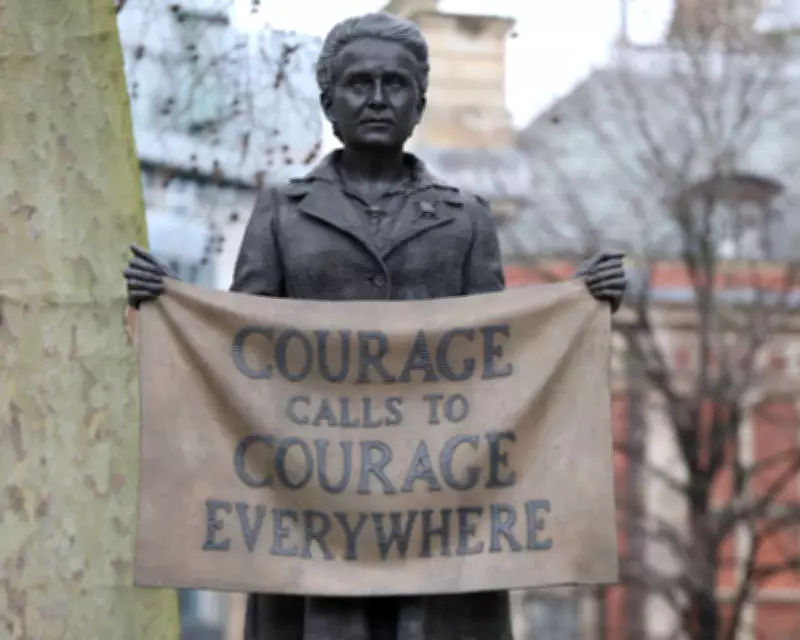
This centenary serves as a poignant reminder of the library's founders, who are often less celebrated than militant suffragettes like Emmeline Pankhurst. Millicent Fawcett, for example, did not receive a statue in London until 88 years after Pankhurst's memorial. As we reflect on the past, the Women's Library encourages us to face the future with the same determination. In an era where women's rights are under threat in many parts of the world, this institution remains a beacon of struggle and strength, inspiring continued advocacy for equality and justice.