ShutdownTok: Federal Workers Forge Digital Community Amid Historic Closure
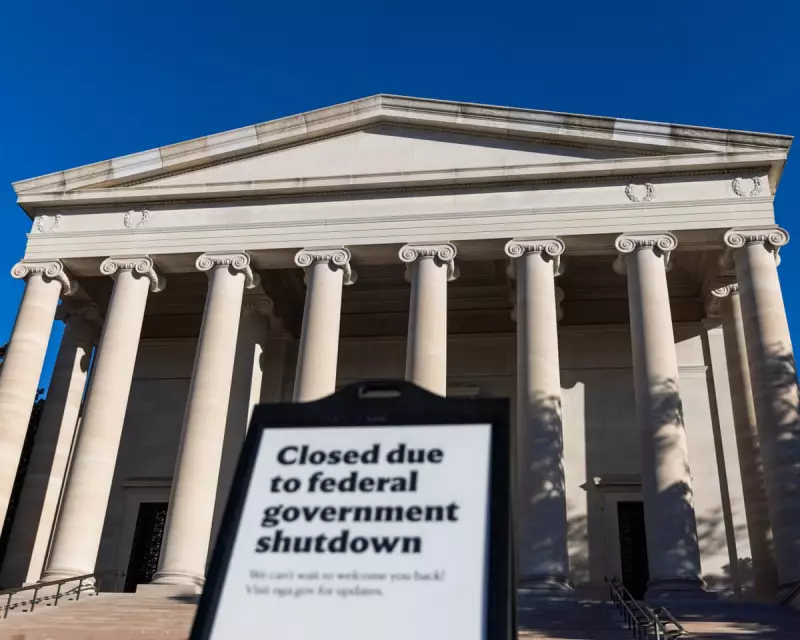
The United States is grappling with its longest federal government shutdown in history, a situation starkly symbolised by a sign announcing the closure of the National Gallery of Art in Washington DC on 23 October 2025. In response, a remarkable digital phenomenon has emerged, with furloughed and unpaid essential workers turning to social media to document their lives, share practical advice, and forge a vital support network.
The Rise of the Shutdown Vlog
Across platforms like TikTok, Instagram, and YouTube, a new sub-genre of content has blossomed. Federal employees are publishing daily "shutdown vlogs" that blend dark humour with resourceful tips for surviving without a paycheck. These videos have become improvised public-service announcements, creating directories for assistance, budget-stretching advice threads, and mental health check-ins.
Courteney Bush, a public affairs specialist in Washington DC with experience since 2011, is chronicling her experience in a TikTok series called the "Shutdown Diaries". She describes coping as a day-by-day process of staying busy to avoid spiralling. "We’re all trying to think of this as normally as possible, so that we don’t spiral out," she explained, rating her overall mood during the crisis as a "B-minus".
For Bush, the series provides both a creative outlet and a sense of daily purpose, having already endured three extended shutdowns. The response, she says, has been overwhelmingly positive, with viewers reporting that her videos make them feel "less alone".
From Satire to Solidarity on Social Platforms
The trend extends far beyond individual vlogs. Reddit communities for federal workers have transformed into essential guides for financial hardship programs and legal updates. Similarly, Deidre Drakes, an army wife, uses satire to cope with the absurdity of the situation. "You can either stress about things or laugh," Drakes said. "And I figure laughing burns more calories, so I’ll just do that."
Her comedic yet brutally honest videos, including one where she joked about having to "do something strange for some change," resonated widely, growing her following significantly. She sees social media as a crucial outlet for "giving information and finding that community."
The crisis has also inspired practical action. With a pause in Supplemental Nutrition Assistance Program (SNAP) benefits looming, creators have surged to the forefront, offering ultra-budget cooking tutorials and advice for those facing food insecurity. This has inspired a wave of "cheap meal" TikTok content, where creators demonstrate how to feed a household for as little as $40 a week.
Creating a Lasting Digital Legacy
Lola Ajayi, a DC-area content creator, turned her platforms into an information hub, creating a now-viral Google document of local resources which she updates daily. The response was "very overwhelming, very positive," reaching government employees as far away as Salt Lake City.
For Robert Perez, an ultramarathoner and government contract worker, the shutdown inspired a unique endurance challenge. He runs a mile each day the government remains closed, filming a video explaining a new aspect of the shutdown. His intentionally informative, non-partisan series has garnered nearly 100,000 followers on TikTok alone.
Like many creators, Perez hopes his videos leave a lasting record. "It’s tough to know that all because of 500-something members of Congress … the rest of the country is suffering," he reflected. "I wish people understood that as the shutdown goes on, that suffering is going to continue to grow." This sentiment is echoed across the digital landscape, where social media has become a lifeline and a historical document of resilience during a period of profound national disruption.