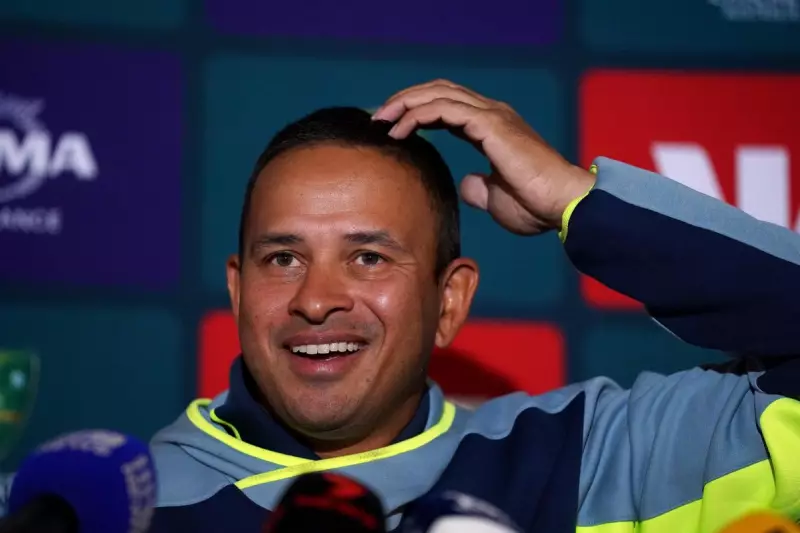
Veteran Australian batsman Usman Khawaja has announced his retirement from all international cricket, using his emotional farewell to deliver a stinging critique of racial stereotypes and a lack of diversity within the sport.
A Fiery Farewell in Sydney
The 39-year-old confirmed that the upcoming fifth Ashes Test in his hometown of Sydney will be his final match, concluding a distinguished 15-year career wearing the Baggy Green. Khawaja, Australia's first Muslim Test cricketer, spoke for over 45 minutes at the SCG, stating he was "off the leash now" as he aired long-held grievances about his treatment.
While reflecting on a career filled with highs, the Pakistan-born player focused on perceived inequalities. He expressed that he has "always felt a little bit different" in how he was treated compared to others, a feeling that persisted throughout his time in the national setup.

Injury Fallout Highlights Double Standards
Khawaja provided a pointed example from the current Ashes series, criticising the media and former players for their reaction to the back injury he sustained in the opener against England. He described facing intense criticism for five days, which he felt quickly descended into prejudiced tropes.
"Once the racial stereotypes came in, of me being lazy, it was things I’ve dealt with my whole life," Khawaja stated. "Pakistani, West Indian, coloured players…we’re selfish, we only care about ourselves, we don’t care about the team, we don’t train hard enough."
He contrasted this with the treatment of other players, alleging a clear double standard. "I can give you even more guys who have had 15 schooners the night before, then got injured, and no one’s said a word," he said. "That’s alright, they’re just being Aussie larrikins."
Call for Progress in a 'Very White' Sport
Khawaja acknowledged that society and cricket have become more inclusive but insisted there is still significant progress to be made. His closing remarks offered a sobering assessment of the game's culture.
"We’re a lot better and inclusive society than we’ve been before but there’s still a way to go," he concluded, "because Australian cricket is still very white in a lot of respects." His powerful comments have ignited a fresh debate about diversity, representation, and unconscious bias within one of the nation's most cherished sports.