Alex Honnold's Live Skyscraper Ascent Ignites Parenting and Ethics Debate
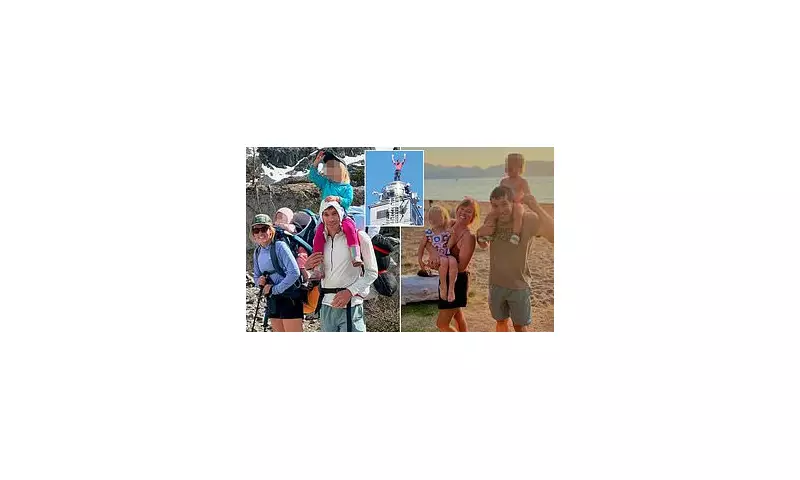
The recent live broadcast of renowned climber Alex Honnold scaling the 1,667-foot Taipei 101 skyscraper without any safety equipment has provoked a profound moral and ethical discussion across the United Kingdom and beyond. The 40-year-old father of two young daughters, June and Alice, aged four and two respectively, completed the daring free solo climb in just over ninety minutes for a Netflix special, understood to have earned him a payment in the mid-six figures.
A Stark Moral Dilemma for Viewers
For countless viewers who held their breath during Sunday's broadcast, the spectacle presented a stark dilemma. On one hand, it was an extraordinary display of human athleticism and nerve. On the other, it was a man with immense familial responsibilities voluntarily placing himself in a position where a single lapse in concentration would mean near-certain death, all while his wife, Sanni McCandless, 33, watched from behind glass on the 89th floor.
The central criticism levied online focused squarely on his role as a parent. One prevalent sentiment asked how a father could justify such an immense risk, labelling a potential tragedy as "tragic and embarrassing" for the children left behind. Another viewer questioned the decision, noting, "Doesn't he have children now, he must be so unhappy to risk so much for so little." The very word "embarrassing" was notably used by Honnold himself to describe his substantial fee for the stunt.

Netflix's Role Under Scrutiny
The streaming giant's production choices also came under fire. Critics highlighted the decision to position Sanni in clear view of her husband during the climb. "Netflix is insane for putting Alex Honnold's wife (and the mother of his kids) in a window directly in front of him 1000 feet in the air," one comment read. The company had stated it would have cut the broadcast if a fall occurred, but this did little to assuage concerns about the ethics of televising such high-stakes risk.
The Climber's Perspective: Calculated Risk, Not Recklessness
For Honnold and his wife, however, the narrative is fundamentally different. Sanni McCandless is an accomplished climber in her own right and possesses a deep understanding of her husband's mindset and the calculated nature of his ascents. Following the successful climb, she expressed relief and joy, stating, "I knew the second he left the ground it would all just kind of… get quieter... and then just be joyful."
Honnold, who shot to global fame with the Oscar-winning documentary Free Solo detailing his El Capitan climb, consistently frames his activities through the lens of meticulous risk management. He argues that the perceived danger from an external viewpoint is greater than the reality he controls. In an interview, he explained, "I didn't want to die before, and I still don't want to die now... having kids, it's not like it suddenly changed my calculus around it."
He draws a distinction between the "random risk" of activities like motorcycling and the controlled environment of his planned solos, where failure is typically a result of personal error rather than external chance. Veteran climber Alain Robert, who scaled Taipei 101 two decades ago, supported this view, estimating the chance of disaster for Honnold as less than "one-in-100-million."
A Supportive Partnership Forged in Understanding
The couple's relationship, which began at a book signing in 2015, has been built around this shared understanding. Sanni has previously spoken about the tensions during the filming of Free Solo, where Honnold briefly questioned if their relationship would impede his pursuit of climbing greatness. "We had to discuss not only the prospect of death, but what we each needed to truly feel alive," she revealed.
She now fully accepts that climbing is intrinsic to her husband's happiness and identity. "Alex is the happiest and best version of himself when he gets to spend a lot of time outside and when he is climbing. He's so cranky when he doesn't get to climb," Sanni noted, highlighting that grounding him would come at a significant personal cost.

The Lingering Question After a Broadcast Triumph
For Netflix, Skyscraper Live will undoubtedly be marked as a ratings and conversation-driving success. Yet, the broadcast has left a persistent question hanging in the air, far more complex than whether the climb was technically possible. It challenges societal norms about parenthood, passion, and the price of spectacle.
The debate transcends the single event on Sunday. It forces a confrontation between the value of an individual's self-actualisation through extreme pursuit and the weight of responsibility to dependents. As the dust settles on Honnold's successful ascent, the public and the climber himself are left to ponder: for a 40-year-old father of two, where is the line between living fully and risking too much, and what will his next boundary-pushing endeavour be?