Iran Football Legend Ali Karimi Leads Global Call for FIFA Action on Protest Deaths
Ali Karimi Demands FIFA Condemn Iran Protest Deaths

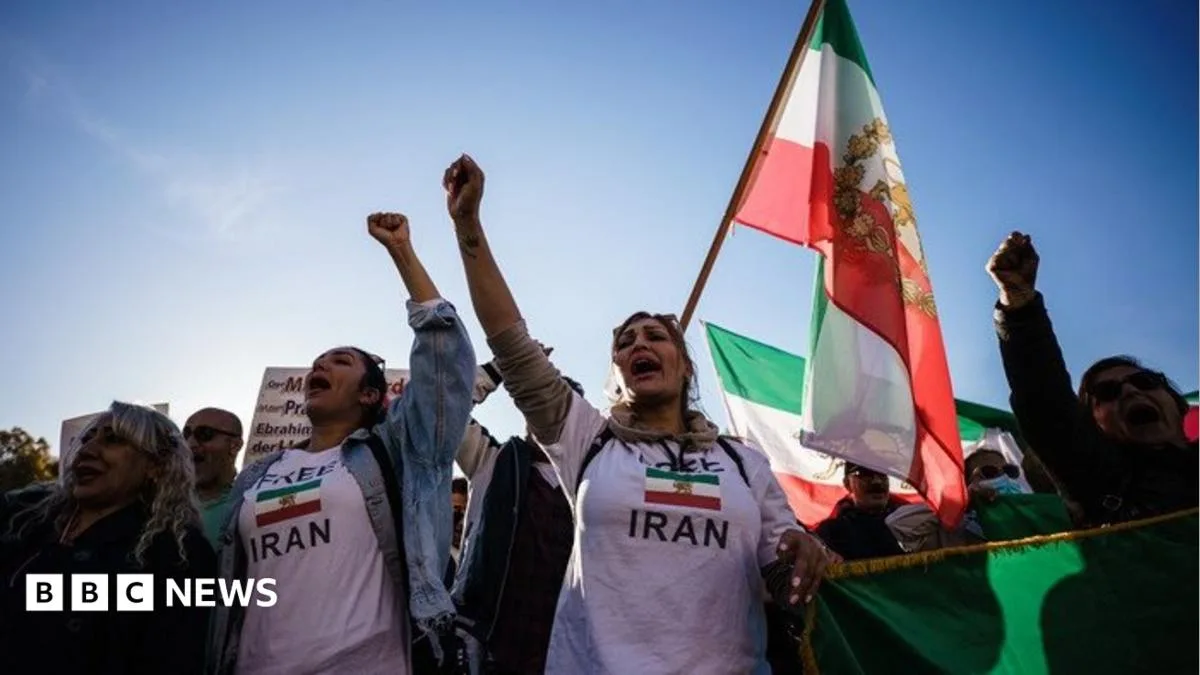
Iranian football icon Ali Karimi has spearheaded a powerful international appeal to FIFA president Gianni Infantino, demanding immediate condemnation of the killing, arrest, and intimidation of athletes within Iran. The urgent call comes amid a severe crackdown on nationwide protests, with the open letter highlighting what signatories describe as systematic repression amounting to crimes against humanity.

Open Letter to Global Football Authorities

The meticulously drafted open letter, addressed directly to Gianni Infantino and the presidents of all FIFA's national associations, represents a significant escalation in sporting pressure on Iranian authorities. Signed by twenty prominent figures with deep connections to Iranian football, the document includes four former full internationals, alongside respected coaches, referees, and sports journalists. This collective voice underscores the gravity of the situation within the country's sporting community.

A Nationwide Movement Met with Brutal Force

The correspondence details how a widespread, popular civic movement has been met with what the signatories term "systematic repression, mass killings, and actions that constitute clear instances of crimes against humanity and war crimes." It references reports indicating a death toll exceeding 18,000 during recent protests, though other estimates suggest even higher figures. Tragically, among these casualties are a significant number from the football community itself.

The letter poignantly names several victims, including former top-division player Mojtaba Tarshiz, who leaves behind two young children. Other football figures listed are women's football assistant referee Saba Rashtian, youth coach Mehdi Lavasani, players Amirhossein Mohammadzadeh and Ribin Moradi, and national beach soccer team goalkeeper Mohammad Hajipour. The document expresses profound concern for 19-year-old Sepahan Isfahan footballer Amirhassan Ghaderzadeh, whose family reportedly faces the grim news of his imminent execution due to protest participation—a case already condemned by the US State Department.

The Chilling Effect of Silence and Intimidation

Signatories, which include Bakhtiar Rahmani—another player selected for Iran's World Cup squad—report that a nationwide shutdown of internet and telephone communications has severely hampered efforts to verify deaths and arrests. They reveal that several members of the football community have been arrested upon re-entering Iran simply for expressing their opinions, with passports confiscated in a clear attempt to stifle dissent.

Addressing Infantino directly, the letter states emphatically: "Football, as the most influential social phenomenon in the world, cannot and must not remain silent in the face of executions, killings, arbitrary arrests, and threats against athletes." The group calls on FIFA and national federations to publicly condemn these actions, demand an immediate halt, utilise all legal and disciplinary mechanisms to protect Iranian football figures, and unequivocally affirm that peaceful protest and personal opinion are fundamental human rights.

Karimi's Personal Stance and Broader Athletic Persecution

Ali Karimi, who earned 127 caps for Iran and played for clubs including Bayern Munich, has emerged as one of the most vocal sporting supporters of Iran's protest movement. In a statement to the Guardian, Karimi reflected that Iranians have paid "heavy prices, such as their lives and their freedom" for basic rights over decades. His aim, he stated, is to ensure the international community hears about the crimes being committed. "I have always considered myself one of the people," Karimi said. "Now that our country is going through one of its most sensitive and sorrowful periods, the least I can do is be the voice of my people."

Karimi's activism has come at great personal cost. In 2022, he accused Iranian authorities of attempting to kidnap him and threatening his family after he publicly supported anti-government protests. He subsequently moved to the United States in 2023 after Iranian security forces briefly seized his family home. Despite the risks, he remains defiant, stating that protesters are "more hopeful than ever" and desire "freedom and democracy through the ballot box."

The persecution extends far beyond football. The Guardian has been informed of at least 22 athletes from other sports—including basketball, rock climbing, wrestling, and taekwondo—who have been killed for participating in protests. Among them was Massoud Zatparvar, a two-time World Classic Bodybuilding champion, killed during protests in Rasht. In his final Instagram post, since deleted, he wrote: "We only want our rights, the voice that has been stifled for 40 years must be shouted out."

A Strategy of Fear and State-Sanctioned Silence

Sources indicate that Iranian authorities are employing CCTV footage from shops to compile evidence against protest participants. Meanwhile, the deaths of prominent athletes often receive widespread coverage in state-run media, a tactic interpreted as a deliberate warning. An anonymous source within Iran explained: "All they try to do is to create fear. They want to say: 'This is what we do to the athletes, this is what we do to the celebrities, this is what we do to the biggest names. What do you think we can do to you?'"

The open letter concludes with a stark warning to the global football community: "Silence in the face of these crimes amounts to abandoning the very principles that global football claims to defend." As the sporting world awaits FIFA's formal response, the moral imperative for action grows ever more pressing.