Arsenal's Set-Piece Strategy Unravels Against Manchester United's Brilliance
Arsenal suffered their first home defeat of the Premier League season in dramatic fashion, falling 3-2 to a resurgent Manchester United side at the Emirates Stadium. The loss exposed the limitations of Mikel Arteta's growing reliance on set plays, as two moments of individual magic from United players ultimately decided the contest.
Poetic Justice at the Emirates
The match carried a sense of poetic justice as Arsenal's structured, set-piece focused approach – sometimes criticised as 'anti-football' – was beaten by United's moments of pure footballing brilliance. After dominating the opening half-hour and taking a deserved lead through an own goal, the league leaders capitulated during a disastrous seven-minute spell before halftime.
"We gave them the goal," lamented Arteta, whose side were booed off at halftime. "Errors are part of football, very unlike us, but we gave them the goal and hope, and that shifted the energy, because from then to half-time we really struggled."
United's Stunning Response
Arteta was correct in his assessment – this was unlike the rigid, defensively excellent Arsenal we've seen throughout the campaign. Their reaction to conceding was even more uncharacteristic for a Premier League title-chaser. The Gunners appeared flat from that moment onward, a situation that hardly improved when they fell behind early in the second half.
Patrick Dorgu's stunning volley five minutes after the restart "took the breath" out of everyone inside the Emirates, including interim United manager Michael Carrick. Such a shocking blow should have elicited a fierce response from Arsenal to regain their advantage, but that fighting spirit was conspicuously absent.
Arteta's Set-Piece Gambit
Instead of attacking United's notoriously vulnerable defence with pace and intensity, Arteta made substitutions that revealed his tactical thinking. He brought on Viktor Gyokeres and Mikel Merino – two target men not particularly known for explosive movement – clearly hedging his bets on set-piece situations.
This approach has defined Arsenal's season, with almost 30 percent of their goals coming from corners, free-kicks, penalties or long throws. On ten occasions this term, victory has been decided through one of these methods. While making Arteta-ball an often tedious watch, these old-school tactics had propelled the Gunners to a seven-point lead at the Premier League summit.
Brief Respite Before Final Blow
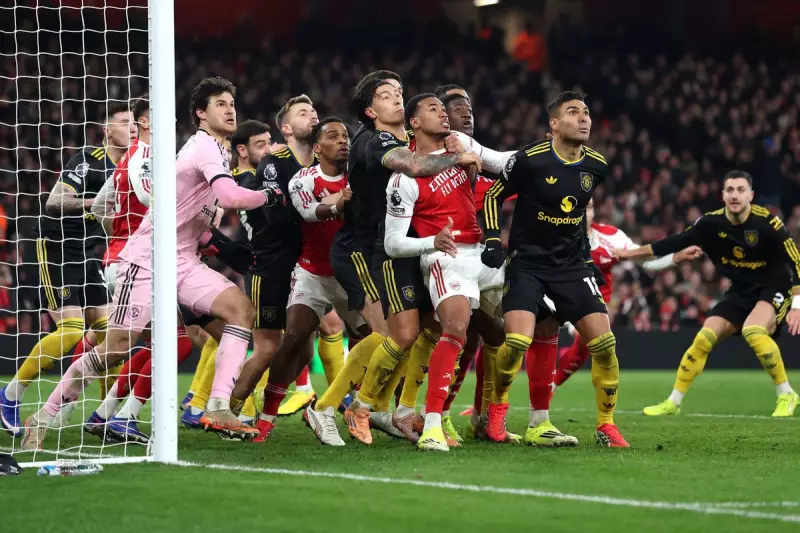
The next twenty minutes of action drew more groans than encouragement from the Arsenal faithful, but all would have been forgiven if Arteta's philosophy paid dividends. That momentarily appeared to be the case when, from their eighth corner of the game, Bukayo Saka's delivery caused chaos in the United penalty area.
A goal-mouth scramble ensued before Merino eventually forced the ball over the line, despite Benjamin Sesko's desperate efforts to clear. The goal was far from aesthetically pleasing, but Arsenal had seemingly rescued at least a point through their set-piece prowess.
"I think we managed to shift the energy, score the second goal and you could feel that everything changed and the game was there to go and win it," Arteta said afterward. That optimism proved short-lived.
Individual Brilliance Triumphs
Just three minutes later, another piece of individual brilliance from a Manchester United player – this time Matheus Cunha – left Arsenal on the brink of defeat. Their anti-football approach had finally failed to deliver the required result, prompting an early exodus from the Emirates Stadium.
For a team established as clear title favourites, the reaction of Arsenal fans highlighted that without positive results, Arteta's footballing ideology inspires little hope or excitement. Whether this early departure represents justified frustration or entitled petulance is debatable, but it clearly indicates the fan discontent that accompanies supporting a team playing Arsenal's current style.
Title Race Implications
The defeat leaves Arsenal on a three-game winless streak in England's top flight, having previously escaped dropped points against Brighton, Everton and Wolves in December. The gap at the Premier League summit has halved from eight points just 23 days ago, creating genuine concern about their title credentials.
Favourable circumstances had suggested this might finally be Arsenal's year – defending champions Liverpool are far off the pace, Manchester City are in transition, and Aston Villa, while commendable, may struggle to maintain their challenge until the final day. Yet this overdue blip could prove hugely damaging to both the club's title hopes and supporter sentiment.
Arteta's Crossroads
If Arsenal's title bid continues to falter, Arteta's tactical playbook will face increasing scrutiny and criticism. The Spaniard walks a thin line between deification and degeneration in north London, and the coming weeks could prove pivotal for how he is remembered for years to come. Having finished second in each of the last three seasons while chasing a first Premier League title in over two decades, the pressure is mounting at precisely the wrong moment.
The concern for Arsenal supporters is that their team's clutch component – the set-piece mastery that has delivered so many crucial victories – appears to be fading just as the title race intensifies. With the gap narrowing and momentum shifting, Arteta faces his most significant tactical and psychological test since taking charge at the Emirates.