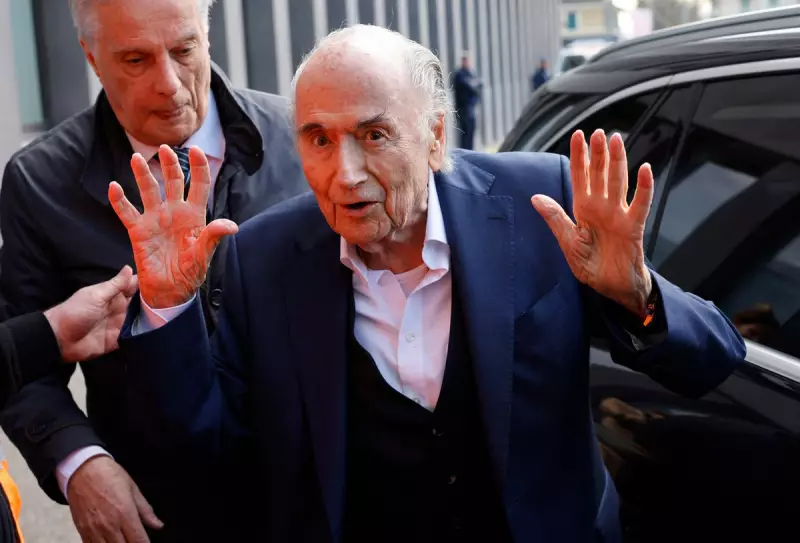
In a striking intervention, Sepp Blatter, the former president of Fifa, has aligned himself with calls for a global boycott of the upcoming 2026 World Cup matches scheduled to be held in the United States. Blatter cited grave security and safety apprehensions as the primary motivation behind his stance, echoing concerns raised by Swiss anti-corruption lawyer Mark Pieth.
Blatter Backs Pieth's Warning on US Hosting
On Monday, Blatter took to social media to publicly endorse Pieth's advice, which urged football enthusiasts to avoid travelling to the US for the tournament. Pieth had pointed to alleged 'abuses by immigration services' as a key reason for his cautionary message. Blatter quoted Pieth directly in his post, stating: "'For the fans, there's only one piece of advice: stay away from the USA!' I think Mark Pieth is right to question this World Cup." This endorsement from a former top football official adds significant weight to the growing unease surrounding the event's security protocols.
Context of Recent Tragedies in Minneapolis
The advice from Blatter and Pieth follows a tragic incident in Minneapolis, Minnesota, where two American citizens, Renee Good and Alex Pretti, lost their lives during a crackdown by immigration agents. Reports indicate that Pretti was shot dead while filming a protest, with video evidence suggesting he posed no immediate threat to federal officers. This event has intensified scrutiny over the safety environment in the US, particularly for visitors and participants in large-scale international gatherings like the World Cup.
Upcoming Tournament Details and Host Cities
The 2026 World Cup is set to be a landmark event, co-hosted by the United States, Canada, and Mexico from 11 June to 19 July. A total of 78 games are planned across 11 cities in the US, making it one of the most expansive tournaments in football history. However, Blatter's comments cast a shadow over the preparations, raising questions about whether security measures will be adequate to ensure the safety of fans and players alike.
As the football world gears up for this major event, the call for a boycott by such a prominent figure could influence public perception and attendance. Stakeholders, including Fifa and local organisers, may face increased pressure to address these security concerns transparently and effectively to maintain the tournament's integrity and global appeal.