The mood around Celtic Park shifted perceptibly this week when the club's hierarchy finally made a decisive, if expected, move. The dismissal of manager Wilfried Nancy and head of football operations Paul Tisdale was an attempt to clear the air at a troubled institution.
A Familiar Saviour Returns to Parkhead
In a season already defined by turmoil, the board's subsequent decision to call upon Martin O'Neill for a second rescue mission was met with widespread approval from the support. O'Neill represents far more than just a manager; he is a symbol of a more prosperous era for the Hoops, a time when legends like Henrik Larsson and Chris Sutton delivered domestic dominance and memorable European nights.
While his romantic return may ultimately prove a short-term fix, especially with Johnny Kenny leading the attack rather than a proven talisman, it provides the Celtic directors with something they desperately need: time.
A Transfer Window Thrown Into Disarray
The pressing issue for both O'Neill and the club is that their recruitment plans for the critical January window have been plunged into chaos. At a point where they needed to act with speed and precision to bolster the squad for a title fight with Hearts and Rangers, they are now starting from scratch.
Nancy and Tisdale had compiled a list of targets, with Columbus Crew defender Steven Moreira even attending Saturday's Old Firm defeat at Celtic Park. However, it is highly unlikely the club will proceed with the recommendations of a manager now labelled by some as their worst ever. Any players approved by the departed Tisdale will also now be viewed with suspicion.
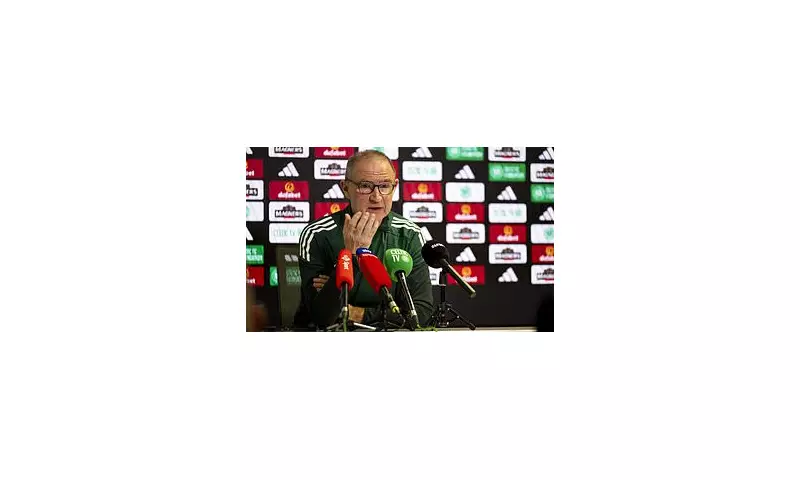
O'Neill acknowledged the challenge on Tuesday, revealing he will lean on assistant manager Shaun Maloney and coach Mark Fotheringham to help draft a new list of potential signings. "We need to supplement the squad, no doubt," O'Neill stated. "I will rely on Shaun, Mark and Stephen (McManus) for their opinion on players but, eventually, it’ll be down to me."
Glaring Deficiencies and an Analogue Approach
The current strongest Celtic XI contains multiple obvious weaknesses, with few areas not requiring urgent reinforcement. The standard has fallen alarmingly quickly, leaving O'Neill with a monumental task.
This task is made harder by the recruitment setup now in place. Unlike during O'Neill's first spell, which was marked by high-profile signings from the English Premier League like Sutton and John Hartson, the landscape has changed. The club is now dependent on a trio—O'Neill, Maloney, and Fotheringham—with minimal recent experience in the data-driven modern transfer market.
While Maloney has coaching experience with Hibernian, Wigan, and Belgium, his recent role was as professional player pathway manager, a position far removed from frontline scouting and negotiation. The image of this group discussing targets in a traditional, non-analytical manner is at odds with how successful clubs now operate.
Furthermore, selling the project to prospective new players will be difficult when the manager's tenure is potentially measured in weeks. Celtic's transfer business has been chaotic even in stable times, as shown by the failure to properly replace Kyogo Furuhashi last January and the delayed signing of Kelechi Iheanacho after Adam Idah's summer exit.
With the window already open, the question now is whether this new, hastily assembled coaching team can pick up the pieces swiftly enough to salvage Celtic's faltering season.