Chelsea Part Ways with Liam Rosenior as Dressing Room Revolt Erupts
Chelsea Football Club have confirmed the departure of manager Liam Rosenior, ending a tumultuous reign marked by player insubordination and the club's worst league run in over a century. The decision, announced on Wednesday evening, follows weeks of escalating tensions, with sources revealing that some squad members openly ridiculed Rosenior's appearance and leadership style.
Authority Eroded from the Start
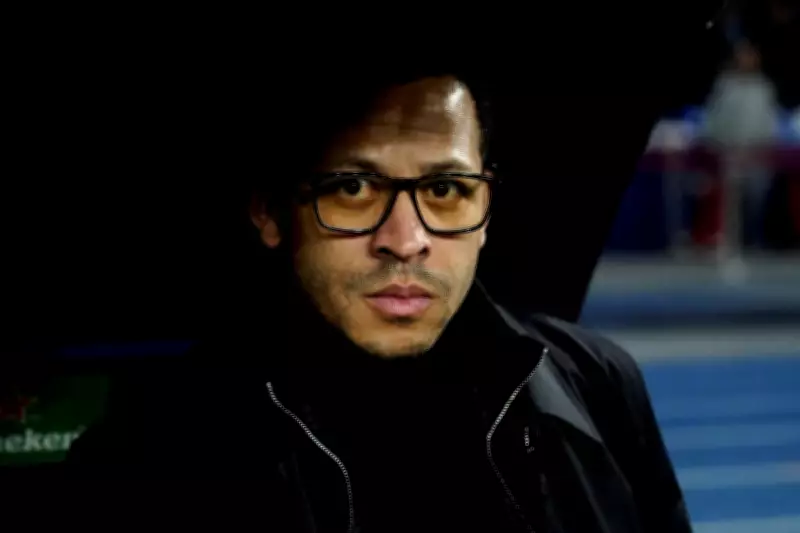
Even before his exit, Rosenior's authority was crumbling. Players reportedly joked about his decision to forgo glasses at the training ground, questioning whether it was an attempt to appear tougher. This lack of respect underscored a broader issue: the 41-year-old manager never commanded full control of the dressing room, a fatal flaw in the high-pressure environment of elite football.
Insiders disclosed that instructions from Rosenior were frequently ignored, with some derisively labelling his tactics as having a "LinkedIn" quality—overly corporate and ineffective. While club officials maintain that relationships did not completely rupture, the situation became untenable as mutiny brewed among a core group of players.

Performance Collapse and Final Straw
Chelsea's on-field displays deteriorated sharply, culminating in their poorest sequence of league results since 1912. The breaking point came after a 3-0 defeat to Brighton, where Rosenior's post-match interview sparked outrage. He described the performance as "unacceptable," directly criticising players who then felt betrayed by his public remarks.
This incident highlighted a perennial football truth: it is often easier to replace the manager than overhaul a squad, especially at Chelsea where lengthy contracts under BlueCo ownership limit flexibility. Rosenior himself had a six-year deal, though sources indicate a one-year payout will suffice.
Broader Club Dysfunction Exposed
The chaos extends beyond Rosenior's inexperience. His attempts to implement a tactical ideology divergent from predecessor Enzo Maresca's possession-based approach may have contributed to an injury crisis, further hampering his efforts. Additionally, the Enzo Fernandez controversy exemplified how player power and distractions proliferated, with the Argentine midfielder's shrugged gestures to fans symbolising the cyclical problems at Stamford Bridge.
Critics argue that Chelsea's struggles reflect deeper mismanagement, with some describing the squad as "spoiled" and the club's priorities skewed under private equity ownership. The sacking of Maresca, defended internally but lamented by fans, adds to the sense of a project lacking coherent long-term vision.
What Lies Ahead for the Blues
Rosenior's departure leaves Chelsea searching for yet another manager, amid a backdrop of institutional disarray. His fate serves as a cautionary tale about premature appointments in a volatile environment. As the club grapples with strategic failures at multiple levels, the immediate future appears uncertain, with performances and morale at a nadir.
The episode underscores that Chelsea's issues are systemic, rooted in ownership decisions and squad dynamics that no single manager can easily rectify. For now, the Blues must navigate the fallout of another chaotic chapter in their storied history.