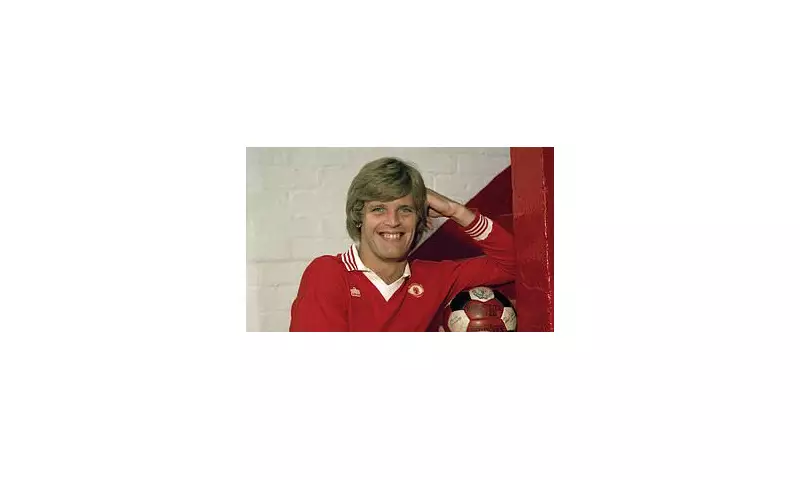
A coroner has formally ruled that the repeated heading of a football during his professional career was a significant contributing factor in the death of former Manchester United and Scotland defender Gordon McQueen. The inquest concluded that the legendary centre-back developed a degenerative brain disease directly linked to the head impacts sustained from heading the ball.
Coroner's Formal Findings on Brain Disease
Sitting at North Yorkshire Coroners Court, senior coroner Jonathan Heath delivered a definitive ruling, stating that Gordon McQueen died from pneumonia as a consequence of a combination of Microvascular Dementia and Cerebral Traumatic Encephalopathy (CTE). The coroner explicitly linked the CTE to McQueen's football career.
'It is likely repetitive head impact sustained from heading the ball whilst playing football contributed to his CTE,' Coroner Heath stated in his formal conclusion. This establishes a clear connection between the sporting activity and the subsequent neurological condition.
Family Observations and Player's Own Beliefs
The player himself had disclosed to his family that he believed his dementia was a result of heading the ball during his illustrious 15-year playing career. He told his daughter, Sky Sports News presenter Hayley McQueen, that the practice 'probably hasn't helped.'
His family reported noticing significant changes in his personality after his 60th birthday. McQueen, who was known for being very sociable and outgoing throughout his life, became increasingly withdrawn in his later years, marking a stark contrast to his public persona.
Testimony from Fellow Professionals
In a statement read to the inquest earlier this month, former Manchester United and England captain Bryan Robson provided crucial insight into McQueen's training regimen. Robson stated that while McQueen headed the ball 10 to 15 times during matches, this number was 'far exceeded in training.'
Robson added that the tall, aerially dominant defender was 'always at the forefront of heading sessions,' highlighting the intensity and frequency of this aspect of his professional preparation. This testimony underscores the cumulative nature of the head impacts.
Career Legacy and Later Life
Gordon McQueen, who passed away aged 70, enjoyed a distinguished career primarily with Leeds United and Manchester United. The commanding centre-back earned 30 caps for Scotland and was renowned for his physical presence and aerial ability on the pitch.
Following his retirement from playing, McQueen spent several years on the coaching staff at Middlesbrough, settling in the area, before transitioning to a successful career as a television pundit. He was diagnosed with vascular dementia in 2021, two years before his death, bringing his condition into public awareness.
This coroner's ruling adds to the growing body of evidence and concern regarding the long-term neurological risks associated with heading in football, particularly from the era in which McQueen played. The case highlights ongoing discussions about player welfare and the legacy of sporting practices.