Leopardstown's Success Demonstrates Dublin Racing Festival's Superior Value Over Cheltenham
The recent achievements at Leopardstown have underscored a significant shift in the horse racing landscape, revealing that the Dublin Racing Festival is rapidly gaining ground and, in many respects, surpassing the renowned Cheltenham Festival in terms of overall value. This development marks a pivotal moment for the sport, as enthusiasts and stakeholders alike reassess the merits of these premier events.
Affordability and Accessibility: Key Factors in Dublin's Rise
One of the primary reasons the Dublin Racing Festival is now considered a more attractive option than Cheltenham is its enhanced affordability. Ticket prices, accommodation costs, and general expenses associated with attending the Dublin event are notably lower, making it accessible to a broader audience. This economic advantage allows more fans to experience top-tier racing without the financial strain often linked to Cheltenham.
Moreover, the festival's location in Dublin offers excellent transport links and a vibrant city atmosphere, further boosting its appeal. In contrast, Cheltenham, while iconic, can be more challenging and costly to reach, particularly for international visitors.

Quality of Racing and Competitive Edge
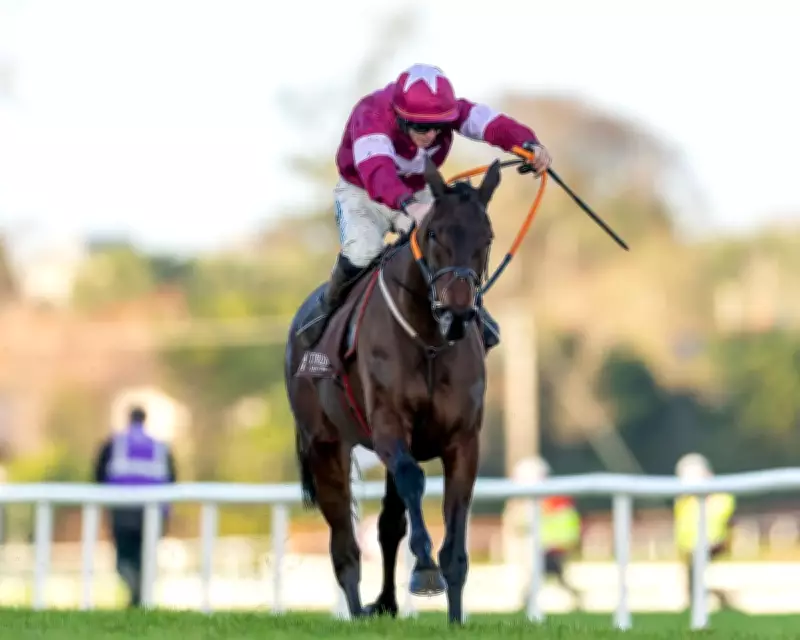
Despite its lower costs, the Dublin Racing Festival does not compromise on the quality of racing. Leopardstown's success stories have highlighted the festival's ability to attract elite horses and jockeys, delivering thrilling competitions that rival those at Cheltenham. The event has become a crucial fixture in the racing calendar, offering punters and professionals alike a high-stakes environment.
The competitive nature of the races at Dublin ensures that spectators witness world-class performances, reinforcing the festival's reputation as a must-attend occasion. This blend of affordability and excellence is a key driver behind its growing popularity.
Economic and Cultural Impact
The rising prominence of the Dublin Racing Festival has significant economic implications for the region. It boosts local businesses, from hospitality to retail, and enhances Dublin's status as a hub for major sporting events. Culturally, the festival celebrates Ireland's rich racing heritage, drawing in crowds who appreciate both the sport and the associated festivities.
In comparison, while Cheltenham remains a cornerstone of British racing, its higher costs and logistical hurdles may deter some attendees, potentially limiting its reach. The Dublin festival's ability to offer a comparable experience at a better value is reshaping perceptions within the industry.
Future Prospects and Industry Trends
Looking ahead, the success of Leopardstown suggests that the Dublin Racing Festival is well-positioned to continue its upward trajectory. As more racing fans seek value-driven experiences, Dublin's model could set a new standard for how major events are structured and marketed.
This trend may encourage other festivals to reevaluate their pricing and accessibility strategies, fostering a more inclusive environment for the sport. The ongoing competition between Dublin and Cheltenham is likely to benefit the entire racing community, driving innovation and improvement across the board.
In summary, the recent triumphs at Leopardstown serve as a clear indicator that the Dublin Racing Festival is not only competing with Cheltenham but, in many ways, offering a superior value proposition. With its combination of affordability, accessibility, and high-quality racing, Dublin is galloping ahead in the race to win the hearts of horse racing enthusiasts worldwide.