A coroner has determined that heading a football likely played a role in the brain injury that contributed to the death of former Scotland international defender Gordon McQueen. The inquest findings highlight growing concerns over the long-term health impacts of repetitive head impacts in sports.
Details of the Inquest and Findings
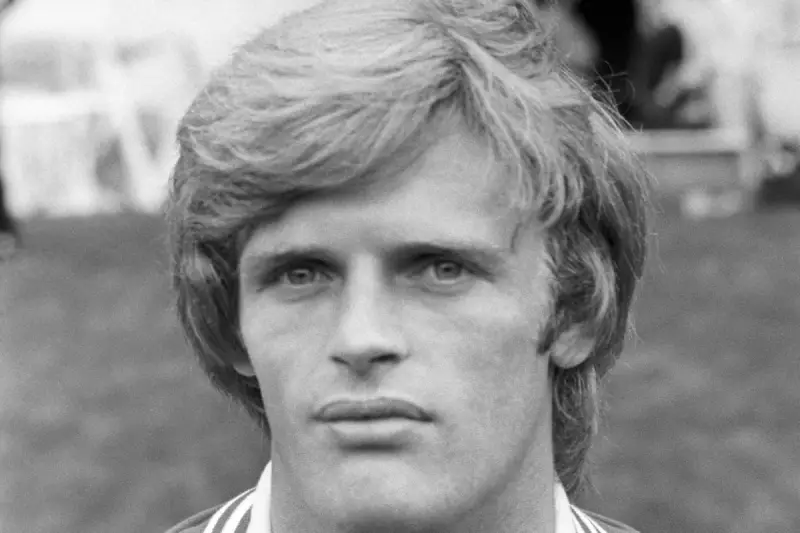
Gordon McQueen, aged 70, passed away at his home in North Yorkshire in June 2023. The coroner, Jon Heath, conducted an inquest in Northallerton, North Yorkshire, earlier this month, where the cause of death was established as pneumonia. This condition developed after McQueen became frail and bed-bound for several months.
Underlying Health Conditions
The frailty was attributed to a combination of vascular dementia and chronic traumatic encephalopathy (CTE). Coroner Heath delivered a narrative conclusion on Monday, stating that McQueen died from pneumonia as a direct consequence of these mixed conditions.
In his remarks, Heath emphasised: "It is likely that repetitive head impacts sustained by heading the ball while playing football contributed to the CTE." This statement underscores the potential risks associated with football practices, particularly for professional players.
McQueen's Football Career and Legacy
Gordon McQueen had a distinguished 16-year career in football, earning 30 caps for Scotland between 1974 and 1981. He played for prominent clubs such as Manchester United and Leeds United, where he was known for his defensive skills and aerial ability.
His death has sparked discussions within the sports community about player safety and the need for further research into head injuries in contact sports. The coroner's findings add to a growing body of evidence linking repetitive heading to neurological conditions like CTE.
Implications for Football and Health Policies
This case may influence future regulations and guidelines in football regarding heading techniques and frequency, especially at professional levels. It also raises awareness about the importance of monitoring long-term health outcomes for athletes.
As investigations continue, the football world is urged to consider preventive measures to protect players from similar risks. The legacy of Gordon McQueen serves as a poignant reminder of the potential health consequences associated with the sport.