Hashtag United's Radical Relegation Request: A Strategic Step Back
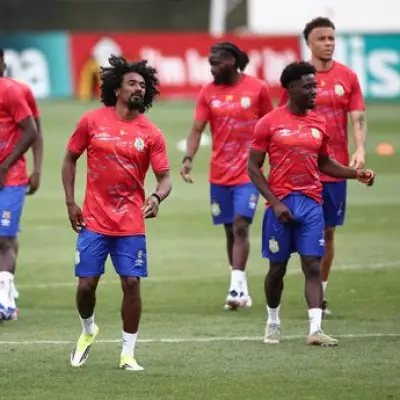
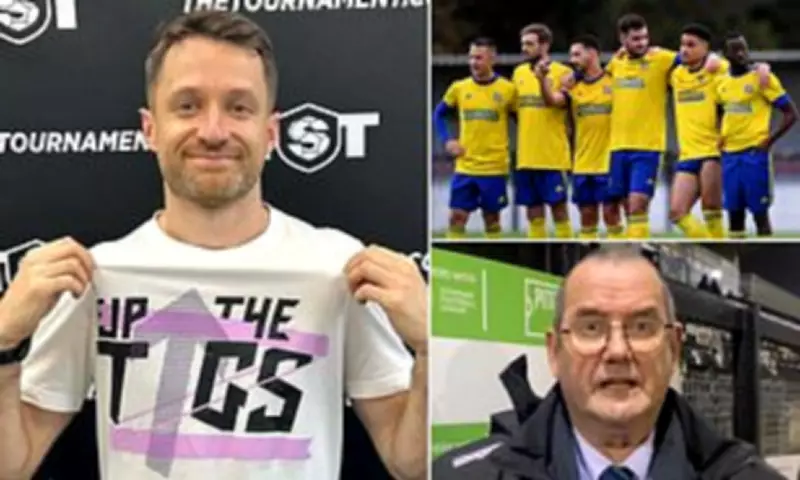
What began as a YouTube experiment among friends has evolved into a serious football club with an unconventional vision. Hashtag United, founded nearly a decade ago by Spencer Owen, have stunned the football world by formally requesting relegation from the Isthmian League Premier Division, the seventh tier of English football.
From YouTube Sensation to Semi-Professional Ambition
The club's origins trace back to casual matches against novelty sides like a Comedians XI and Manchester City staff teams, broadcast to an online audience. However, their entry into the English football pyramid ahead of the 2018-19 season marked a pivotal shift. Three promotions in eight seasons followed, propelling Hashtag United into competitive semi-professional football.
Yet, this rapid ascent has presented unforeseen challenges. Founder and owner Spencer Owen, known to many as YouTuber Spencer FC, acknowledges the difficulties. "It has been a new experience for us in having a poor year on the pitch," Owen told Daily Mail Sport. "I completely get the traditional argument here - there is no issue, we're not above having a bad year of football."

A Unique Business Model Demands Unconventional Solutions
Hashtag United boast nearly 700,000 YouTube subscribers and 473,000 TikTok followers, yet average fewer than 300 fans at home matches. This disparity between digital popularity and physical attendance lies at the heart of their strategic dilemma. The club sustains itself through alternative revenue streams, but Owen is determined to bridge this gap.
"We want to prove to people we are from a place, go out and become part of a community," Owen explains. "Spend potentially record-breaking money in non-league on matchday and marketing, which we have never had any spend on before, on getting people to games so we have to take a step back."
The Relegation Rationale: Building from the Ground Up
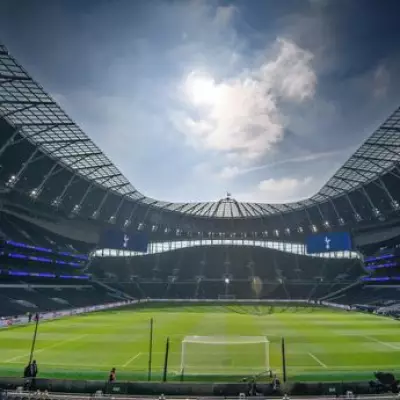
By voluntarily dropping a division, Hashtag United aim to reallocate resources toward foundational development. This includes a planned move to Redbridge's Techsoc.com Stadium and increased investment in community engagement. Owen draws parallels with Arsenal's Emirates Stadium transition, noting periods of on-pitch struggle during infrastructural evolution.
"We are a club that has big plans for next season in a much bigger change than we have ever gone through as a club before," Owen insists. "Even bigger than when we went into non-league. It is really important that we are in the right environment."
Challenging Football Tradition and Sustainability Claims
The decision has inevitably drawn criticism, with questions raised about sporting integrity. Owen defends the move as responsible ownership, contrasting it with clubs making redundancies or operating unsustainably. "We've done this supposed anti-football thing. No, what we've actually done is protect jobs," he asserts.
Owen particularly takes issue with Isthmian League chairman Nick Robinson's sustainability comments, referencing Dulwich Hamlet's 3,000 attendance yet mid-table seventh-tier position. "Teams in our league are borrowing millions, losing £200,000 every year," Owen counters. "I'm just challenging the statements of the chairman saying they are sustainable - I don't think he knows the meaning of the word."
Defining Success Beyond Conventional Metrics
For Hashtag United, success transcends promotion chases. "Success is about getting numbers through the door while continuing to grow our own audience," Owen concludes. "When you combine those modes, we become a really powerful club."
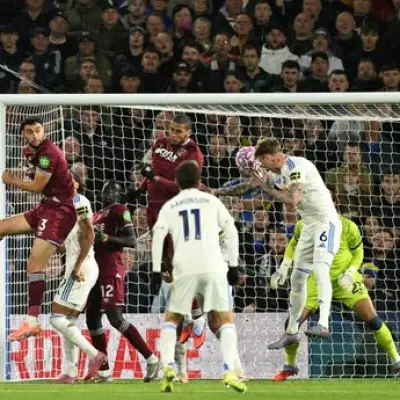
This strategic relegation represents a temporary recalibration rather than permanent retreat. With three games remaining and sitting in the relegation zone on goal difference, the club's immediate fate hangs in the balance. Yet their long-term vision remains clear: building a sustainable football institution that harmonizes digital innovation with community roots.