Iran's Women's Football Team Returns Home After Asylum Drama in Australia
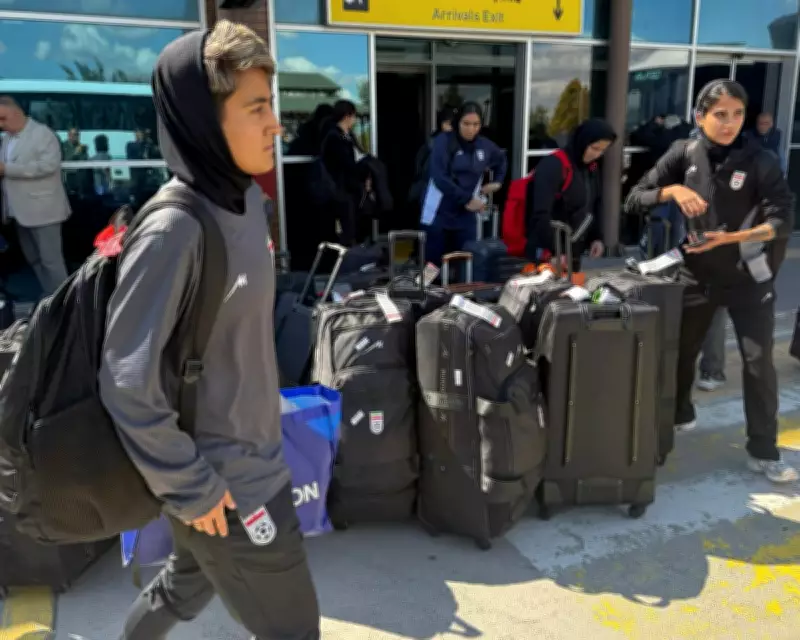
Members of Iran's women's football team have arrived back in their home country after a long and complex journey via Turkey, marking the end of a dramatic asylum saga that unfolded during the Women's Asian Cup in Australia. The team's return follows a highly publicised incident where several players initially sought asylum, creating significant political embarrassment for Iranian authorities.
Asylum Bid and Political Fallout
The controversy began when seven members of the delegation sought asylum in Australia last week after their decision not to sing the national anthem before their opening game at the Women's Asian Cup. This silent protest was widely interpreted as an act of defiance towards Iran's leadership, occurring against the backdrop of ongoing Middle East conflicts.
With their demands for protection creating diplomatic tension, five players later changed their minds about seeking asylum, including team captain Zahra Ghanbari. However, two delegation members – one player and a support staffer – have remained in Australia after being granted asylum status.

Journey Home and Official Welcome
The returning team completed a lengthy journey back to Iran on Wednesday, travelling through Malaysia and Oman before reaching Istanbul and crossing Turkey's Gurbulak-Bazargan border crossing into Iran. Iranian parliament speaker Mohammad Bagher Ghalibaf celebrated their return on social media platform X, declaring the players "children of the homeland" who had "disappointed the enemies [of Iran] and did not surrender to deception and intimidation by anti-Iran elements."
Mehr news agency published images showing a small welcome party waving flags on the Iranian side of the border, with the team and staff seated on a stage with a red carpet. Mehdi Taj, president of Iran's Football Federation, praised the returning athletes, stating: "We have all gathered here to say well done and to express our appreciation. Although they are women, they showed manly courage and strength."
Political Symbolism and Accusations
The team's symbolic importance to Iranian authorities was underscored by plans for a larger welcoming ceremony in Tehran's Valiasr Square, where other pro-government rallies have recently taken place. This comes amid accusations from rights groups that Tehran systematically pressures athletes abroad by threatening relatives with property seizure if they defect or make statements against the Islamic republic.
Australian Home Affairs Minister Tony Burke revealed that the government had engaged in days of secret talks with the players, who were moved to a safe house after leaving their Gold Coast hotel. Iranian authorities countered by accusing Australia of pressuring the athletes to defect, while activists alleged Iranian authorities had pressured the women's families through interrogations.
Broader Context and Reactions
The incident occurred after the team fell silent during Iran's national anthem at their Asian Cup match, though they later sang the anthem in subsequent games. An Iranian state TV presenter had branded the players "wartime traitors," raising fears about potential persecution upon their return.
The situation highlights the complex intersection of sports, politics, and human rights, with US President Donald Trump having lauded the players' initial asylum bid. As the team settles back in Iran, their experience continues to draw international attention to the pressures faced by Iranian athletes competing abroad and the delicate balance between sporting achievement and political expression.