In a story that encapsulates the enduring magic of football, Macclesfield FC achieved the impossible on a crisp January afternoon, defeating Premier League holders Crystal Palace in one of the greatest FA Cup shocks of all time. The victory at Moss Rose marks a monumental chapter for a club that was extinct just four years ago, a phoenix risen from the ashes to realise a community's dream.
From Gravestone to Glory: The Resurrection of a Club
The journey to this historic moment began in the depths of despair. Macclesfield Town FC was wound up in September 2020, its epitaph reading '1874-2020' after financial ruin and points deductions in League Two. The Covid pandemic compounded the town's grief, with fans fearing they might never again gather at the Moss Rose ground on London Road.
Salvation arrived in the form of local entrepreneur Rob Smethurst, whose impulsive decision to buy the stadium's fixtures and fittings from Rightmove – a move he admits was made while 'heavily under the influence' – sparked an unlikely revival. Investing £4 million, Smethurst restored the club to its community, transforming it into a vibrant hub. The installation of a 4G pitch, which proved pivotal in unsettling Palace's play, became a revenue driver, allowing locals to train and play throughout the week.
A Community Hub, Not a Vanity Project
This was no mere football club reboot. Moss Rose was reimagined as a social centre, with gym facilities and a high-end bar where fans congregated. On matchdays, it operates as a bustling social club, with drinks allowed on a pitch-side terrace. The high-profile involvement of Robbie Savage as manager and frontman brought media attention and two BBC documentaries, helping propel the club to consecutive promotions, including last season's success in National League North.
Yet, the soul of the project remained fiercely local. Unlike the Hollywood-backed story of Wrexham, Macclesfield's revival was a grassroots mission, driven by those scarred by the old club's demise. The town, with its working-class edge near the Peak District, fully reclaimed its team.
A Poignant Victory Forged in Tragedy
The emotional weight of Saturday's victory was profound. Masterminding the tactical triumph was manager John Rooney, whose older brother, Wayne, a local resident, was seen in tears in the stands. The win was also dedicated to Ethan McLeod, a 21-year-old striker for the club who died in a car accident on the M1 on 16 December. His parents were present as the players delivered a performance in his memory.
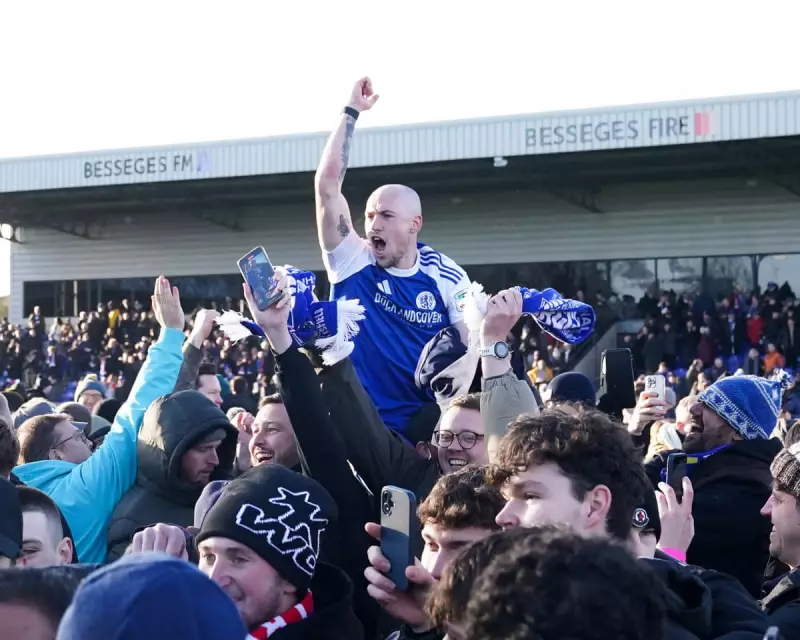
As fans swarmed the pitch at the final whistle, including scorer Josh Kay, the moment symbolised more than a cup upset. It was the culmination of a collective effort – from Smethurst's initial gamble, through Savage's stewardship, to Rooney's management and the unwavering support of the town. In an era often criticised for losing touch with its roots, Macclesfield's rise from extinction to a day of historic glory under the winter sun stands as a powerful testament to the enduring truth that football, at its best, will always be the people's game.