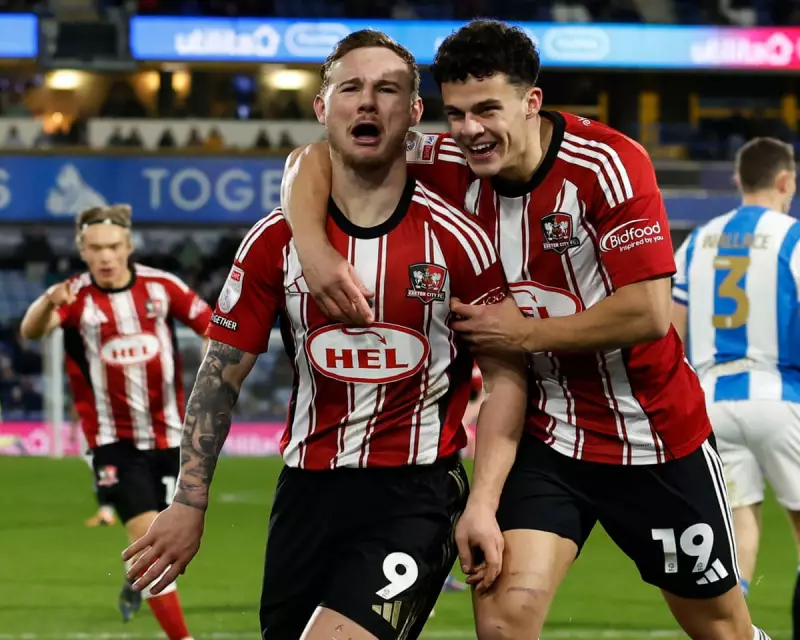
Manchester City have turned down a financial plea from their FA Cup opponents Exeter City, refusing to share a greater portion of Saturday's gate receipts in a move that deals a blow to the supporter-owned League One side.
A Request for Solidarity Ignored
Exeter City, a club majority-owned by its supporters' trust, this week revealed it had written to the Premier League champions ahead of their third-round clash at the Etihad Stadium. The club asked if City would voluntarily transfer a portion of their 45% share of the gate receipts as a "statement of solidarity" with fan-owned football.
The request highlighted the distinct financial realities faced by clubs like Exeter, which has been owned by its fans since 2003. This season, the League One outfit has been forced to make two rounds of staff redundancies and needed £600,000 in emergency loans from its own supporters' trust to stabilise its finances. The club's troubles were compounded in November when its home ground, St James Park, suffered an estimated £100,000 worth of fire damage.
Sticking to the Rule Book
Manchester City have seen the appeal but will not be altering their standard policy for the cup tie. Under FA Cup rules, the two competing clubs each receive 45% of the net gate receipts, with the Football Association taking the remaining 10%.
Despite the rejection, the fixture remains a significant financial event for Exeter. The club is bringing 8,000 fans to a sold-out Etihad Stadium to face the seven-time FA Cup winners. Ticket sales from the match are still projected to generate a welcome sum of between £250,000 and £400,000 for the lower-league side.
Missed Opportunities for Extra Funds
The financial blow is softened somewhat by the guaranteed income, but Exeter has missed out on other potential revenue streams. The match was not selected for live television coverage, denying both clubs a broadcast fee windfall.
Furthermore, the FA Cup's modern format has removed another traditional source of income for smaller clubs. Replays have been abolished from the first round proper onwards, eliminating the chance of a lucrative return fixture at St James Park should the initial match end in a draw.
The decision from Manchester City underscores the vast financial gulf within English football, even as a giant prepares to host a club heralded as a beacon of community ownership.