Manchester United Transfer Plans Disrupted by Saudi Arabian Rivals
Manchester United's cautious approach to the January transfer window has resulted in the club missing out on two significant transfer targets, with Saudi Arabian side Al-Hilal poised to complete deals for both players. The Red Devils have opted for a restrained strategy this month, preferring to delay major moves until the summer when a new long-term manager is expected to be appointed. This decision, however, has allowed rival clubs to capitalise, securing talent that was on United's radar.
Al-Hilal's Double Swoop for United Targets
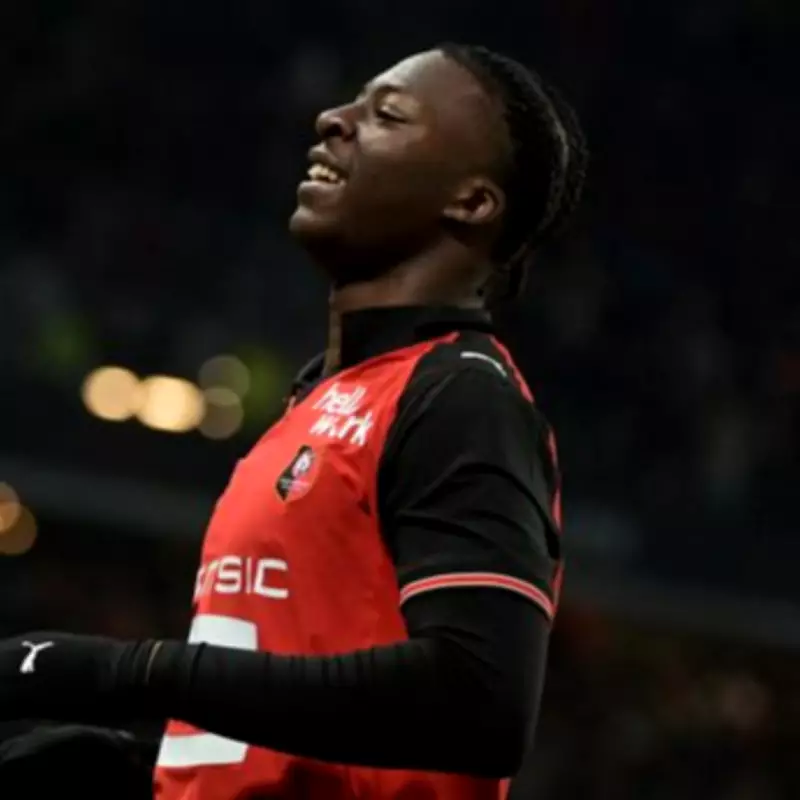
According to reports from The Guardian and other sources, Manchester United had expressed interest in Rennes striker Mohamed Kader Meite, an 18-year-old prospect with three goals and two assists in 19 appearances this season. United's representatives made contact to explore a potential transfer, but their efforts have been thwarted by Al-Hilal's aggressive pursuit. The Saudi Pro League club initially saw a €23 million (£19.9 million) offer rejected by Rennes earlier this month, but they have now agreed a deal worth €30 million (£26 million) plus €3 million (£2.6 million) in bonuses for Meite.
This move signals a notable shift in the transfer strategies of Saudi clubs, which have traditionally focused on acquiring high-profile players nearing the end of their careers. There is now a growing trend towards recruiting younger, emerging talents who can maintain or increase their market value over time. Al-Hilal's acquisition of Meite exemplifies this new direction, potentially setting a precedent for future dealings in the league.
Ruben Neves Contract Extension Adds to United's Woes
In further disappointing news for Manchester United, transfer expert Fabrizio Romano has indicated that Al-Hilal are in the final stages of agreeing a new contract with midfielder Ruben Neves. The 28-year-old Portuguese international, who joined Al-Hilal from Wolverhampton Wanderers in 2023, had been linked with a move to United this month due to his contract expiring at the end of the season. Neves has been a key performer for Al-Hilal, contributing 17 goals and 30 assists in 113 games, attracting interest from clubs including Real Madrid.
With Neves now set to remain in Saudi Arabia, United's midfield overhaul plans have hit a snag. The club had identified him as a potential target to bolster their squad, but his imminent contract extension removes him from the market. This development forces United to look elsewhere as they prepare for the summer transfer window.
United's Summer Transfer Strategy and Alternative Targets
Manchester United's decision to hold fire on major signings in January is rooted in their desire to overhaul the midfield, a process they plan to undertake in the summer. The club's hierarchy is awaiting clarity on the appointment of a new long-term manager before committing to significant investments. This cautious stance, while understandable, has left them vulnerable to losing out on targets like Meite and Neves.
In response, United have already shortlisted alternative midfield options for the summer window. Brighton's Carlos Baleba, Crystal Palace's Adam Wharton, and Nottingham Forest's Elliot Anderson are among the players under consideration. These moves are part of a broader strategy to refresh the squad, especially with the anticipated departure of Casemiro at the end of the season. United's summer spending spree, which included a £200 million outlay on forwards like Bryan Mbeumo, Benjamin Sesko, and Matheus Cunha, demonstrates their willingness to invest, but the current window highlights the challenges of timing in the transfer market.
The positive impact of interim manager Michael Carrick has provided some stability, but it has not accelerated United's transfer activity. Instead, the club remains focused on long-term planning, even if it means missing immediate opportunities. As the January deadline approaches, United fans may have to wait until summer to see significant reinforcements, with the club hoping their patience pays off in a more competitive market.