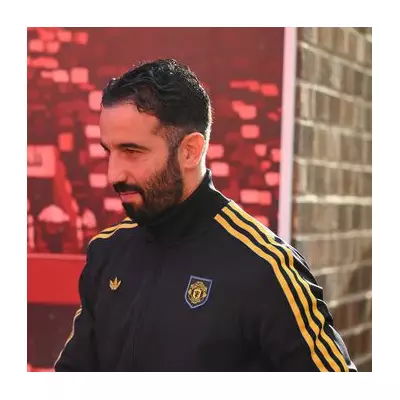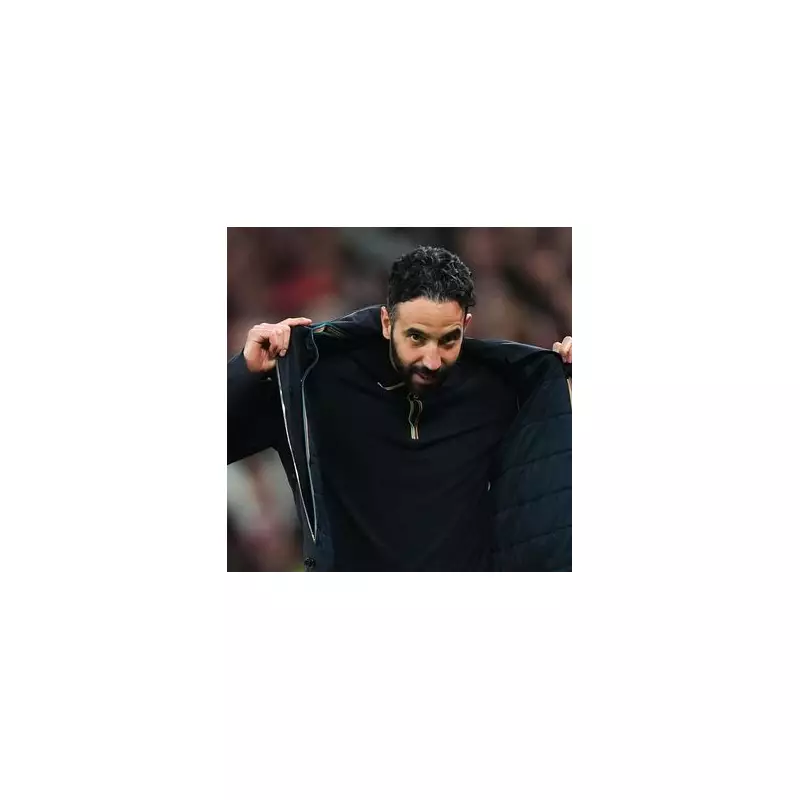
Manchester United have once again plunged into managerial turmoil after dismissing head coach Ruben Amorim on Monday morning. The Portuguese manager's departure marks the end of a disastrous tenure at Old Trafford, leaving behind a squad in need of revitalisation and a club facing another costly transition.
The End of a Failed Era
Ruben Amorim leaves with the worst record of any Manchester United manager in the Premier League era. His reign culminated in the club's lowest-ever finish, a dismal 15th place last season. Issues were apparent from the outset, with Amorim's rigid commitment to a 3-4-3 formation and a distinct lack of pragmatism failing to get the best from his players. Many struggled to adapt to the unfamiliar system, leading to consistently poor results and very few individuals enhancing their reputations.
The club's succession plan is now set to unfold. Darren Fletcher will take initial temporary charge, followed by a caretaker manager until the end of the season. United's hierarchy, led by Sir Jim Ratcliffe, will then target a permanent appointment in the summer. This latest upheaval creates clear divisions within the playing squad, with some set to benefit from the change and others facing an uncertain future.
Who Stands to Gain from Amorim's Exit?
Kobbie Mainoo is arguably the biggest potential beneficiary. The talented midfielder saw his opportunities vanish under Amorim after being a standout figure during Erik ten Hag's tenure. Having not started a single Premier League game this season, Mainoo is now poised for a resurgence, with many at the club still firmly believing in his potential to be a cornerstone for the future.
Bruno Fernandes, the team's captain and talisman, may also thrive. While he remained a consistent performer during the lows, his influence was curtailed by being deployed in a deeper midfield role to accommodate Amorim's system. A new manager is likely to revert to a formation that allows Fernandes to operate in his preferred advanced playmaker position, unleashing his creative threat.
The club's full-backs are collectively breathing a sigh of relief. Players like Luke Shaw, Diogo Dalot, and Noussair Mazraoui were asked to perform as specialised wing-backs, a role that did not come naturally to them. A return to a back four and conventional full-back duties will suit their skillsets far better. Attacking players like Amad will also be relieved to avoid any experimental positional changes.
Who Faces Pressure After the Sacking?
Sir Jim Ratcliffe finds himself under intense scrutiny. The Ineos supremo has now overseen the backing, sacking, and then another sacking of managers Ten Hag and Amorim. This latest expensive misstep – with a £10 million pay-off required to dismiss Amorim – raises serious questions about his football decision-making. His next appointment will be critical in determining the success of his ownership.
The situation of Marcus Rashford is now intriguingly poised. The forward is currently on loan at Barcelona, a club he has reportedly dreamed of joining permanently. Amorim's exit could pave the way for a return to Manchester if a new manager sees a role for him. Conversely, his form in Spain might convince the incoming boss that he is integral to future plans, potentially blocking a permanent move to La Liga.
Finally, the club's balance sheet takes another hit. After a summer of significant spending, the unforeseen cost of removing Amorim is an unwelcome financial burden. While large clubs often navigate Profit and Sustainability Rules (PSR), this payout was not budgeted for and adds to the growing financial pressures at Old Trafford.
As Manchester United embark on yet another new chapter, the ripple effects of Amorim's failed project will be felt for months to come. The coming appointments and player decisions will define whether this sacking is merely another costly mistake or the first step towards genuine recovery.