Manchester United have ushered in a starkly different era of decision-making at the top, as evidenced by the contrasting dismissals of their last two managers. The club's swift sacking of Ruben Amorim stands in dramatic opposition to the protracted process that ended Erik ten Hag's reign.
A Swift and Decisive End for Amorim
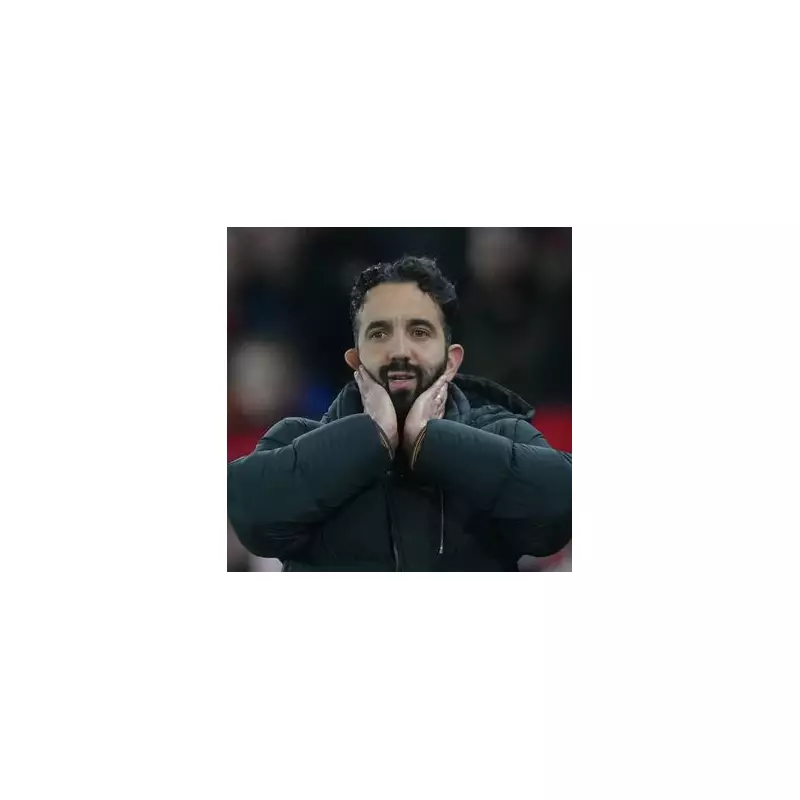
Ruben Amorim was dismissed from his role as Manchester United manager on Monday morning, less than 24 hours after his final game in charge. The 40-year-old's last match was a 1-1 Premier League draw away at Leeds United on Sunday afternoon. His tenure at Old Trafford lasted just 14 months.
The decision to part ways was triggered rapidly by chief executive Omar Berrada and director of football Jason Wilcox. It marked a decisive break from recent precedent, with former United midfielder Darren Fletcher, the current under-18s coach, immediately placed in temporary charge for Wednesday night's clash with Burnley.
The Marathon Meeting That Sealed Ten Hag's Fate
This speed stands in sharp relief to the events leading to Erik ten Hag's exit last October. Three weeks before the Dutchman's dismissal, a marathon seven-hour crisis meeting was convened. The summit took place at Sir Jim Ratcliffe's Knightsbridge offices in London and was attended by eight high-profile United figures, including co-owner Joel Glazer.
The meeting was called in response to a poor run of form that had left the club languishing in mid-table. The lengthy deliberation highlighted a more cautious, deliberative approach to a major footballing decision at that time.
Amorim's Post-Match Rant Proved Fatal
While United's current season has been underwhelming—they sit sixth, three points off Champions League places—it was Amorim's extraordinary post-match comments after the Leeds draw that likely forced the board's hand. When asked if he retained the confidence of the hierarchy, he launched into a stunning rant clarifying his role.
"I came here to be the manager of Manchester United, not to be the coach of Manchester United," Amorim stated. He emphasised this was a point of principle agreed for an 18-month period, criticising external noise and insisting every department, including scouting and the sporting director, needed to do their job. This public challenge to the club's structure left key figures with little choice but to act.
The contrasting methods—a seven-hour summit versus a sub-24-hour execution—speak volumes about the evolving power dynamics and decision-making processes under the new football leadership at Manchester United. The club has moved from protracted internal debate to swift, decisive action, setting a new precedent for how it handles its most critical appointments.