Former Footballer's Death Officially Linked to Heading Footballs
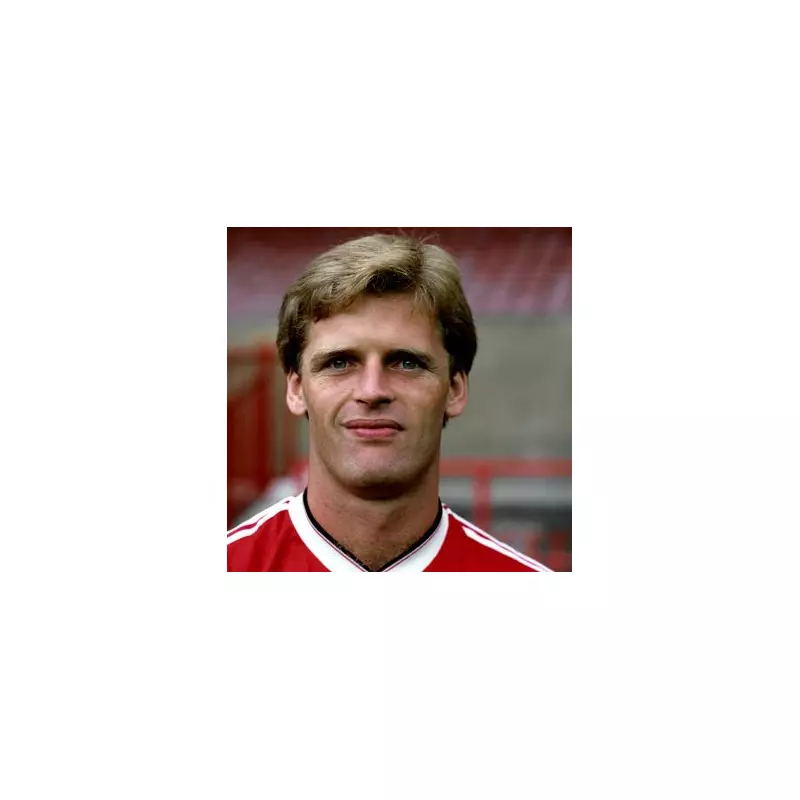
A landmark inquest has ruled that heading footballs contributed to the death of Manchester United and Scotland legend Gordon McQueen. The former defender, who died in 2023 aged 70, was found to have suffered from chronic traumatic encephalopathy (CTE), a brain condition linked to repetitive head impacts.
Coroner's Narrative Verdict Points to Football's Role
North Yorkshire senior coroner Jonathan Heath delivered a narrative verdict stating that post-mortem examination confirmed the presence of CTE in McQueen's brain. "The cause of death was pneumonia in the lower lung likely to be as a consequence of his vascular dementia," Mr Heath said. "It is also likely that the impact of heading the ball contributed to his CTE. The condition has to be considered as a factor in his cause of death."
The official conclusion recorded that McQueen had died from pneumonia, vascular dementia, and CTE. This represents one of the first times a British coroner has explicitly linked heading footballs to a former player's death.
Medical Evidence and Family Testimony
Professor Willie Stewart, a consultant at Queen Elizabeth University Hospital in Glasgow who examined McQueen's brain, confirmed CTE was present. "Gordon technically fell into the lower stage of the disease, although on the threshold of the higher stage," Professor Stewart told the inquest. He added that symptoms of CTE include cognitive decline and neuro-behavioural changes that "can't be explained by another condition."
McQueen's daughter Hayley, a Sky Sports presenter, provided emotional testimony about her father's decline. She described how loved ones noticed personality changes after his 60th birthday, including balance problems, confusion, and difficulty with basic tasks like making tea. "He kept saying, 'there's something not right in my head'," Hayley told the hearing in Northallerton.
When asked how her father scored his goals during his playing career, Hayley replied: "Mainly with his head, from a set-piece."
Footballing Colleagues Provide Context
Footballing greats including Bryan Robson, Gary Bailey, Lou Macari and Joe Jordan gave evidence that McQueen was consistently asked to head the ball in both defending and attacking situations during training. This testimony helped establish the repetitive nature of heading throughout his career.
Professor Stewart, who conducted a 2021 study on neurodegenerative disease risks in football, noted: "The players, the goalkeepers who don't head the ball had a risk equivalent to general population, whereas in outfield positions, particularly defenders, the risk was higher."
Family Statement and Campaigners' Response
In a statement following the inquest, the McQueen family said: "Gordon did not simply die with CTE – he lived with it. Gordon loved football, but the later years of his life were incredibly difficult."
Head Safe Football, a registered charity dedicated to player welfare, said the McQueen inquest should act as a catalyst for meaningful change. Dr. Judith Gates, chair and co-founder of Head Safe Football, stated: "Gordon's story shows why football must take action to protect its future. Living with CTE is devastating, both to the affected players and to their families."
Dr. Gates emphasised that because exposure begins early and accumulates over time, "reduction in heading should start with young players and then be applied to every level."
Broader Implications for Football
Experts increasingly warn that CTE begins in youth, develops silently over many years, and is not confined to elite football. The condition can affect players from grassroots through to the professional game wherever repetitive head impacts occur.
The English and Scottish Football Associations, along with Manchester United, were all represented at the inquest, indicating the significance of the ruling for football authorities.
McQueen made almost 350 appearances for St Mirren, Leeds and Manchester United between 1970 and 1985, establishing himself as a towering defender known for his aerial ability. His case follows that of former England striker Jeff Astle, who died in 2002 aged 59 with CTE, and whose daughter Dawn Astle has campaigned for greater awareness of football's neurological risks.