Middle Eastern Football Grapples with Fallout from US-Israel Conflict
It has been just over three weeks since the United States and Israel launched attacks against Iran, plunging the Middle East into a state of war. The football landscape across the region is now struggling to cope with the significant fallout from this escalating conflict. From disrupted World Cup preparations to complicated Champions League arrangements, the beautiful game faces unprecedented challenges in these turbulent times.
Iran's World Cup Dreams Hang in the Balance
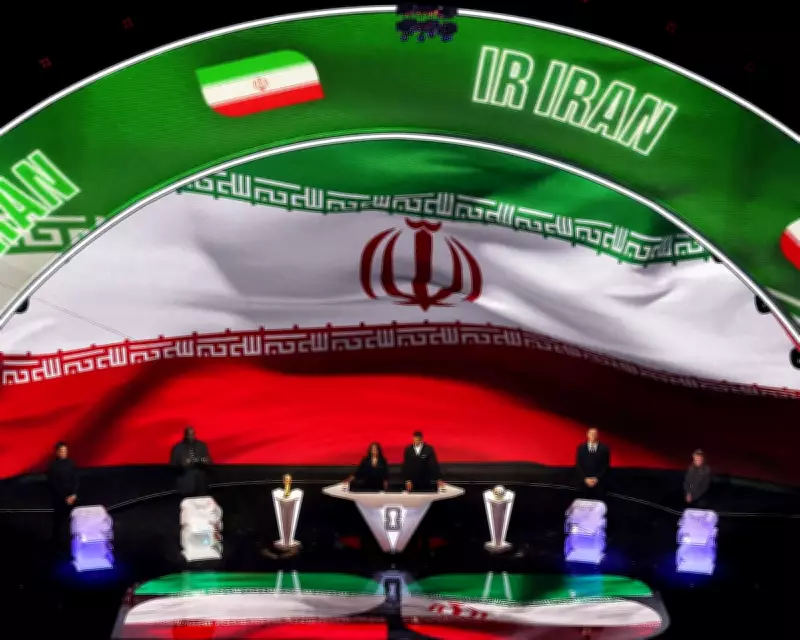
As Tehran endures bombardment, Iran's national football team continues with preparations for the upcoming World Cup, though their participation remains uncertain under current circumstances. The team has scheduled friendlies against Nigeria and Costa Rica, both set to take place in the Turkish city of Antalya as a neutral venue.
The most significant controversy surrounding the national team involves the exclusion of star forward Sardar Azmoun. The prolific striker, who has netted 57 goals in 91 international appearances, has reportedly been omitted from the squad for the upcoming friendlies. This decision stems from what authorities perceived as an act of disloyalty after Azmoun posted an Instagram picture of himself meeting with Mohammed bin Rashid al-Maktoum, vice-president of the United Arab Emirates and ruler of Dubai, where the footballer plays his club football. Even if Iran manages to participate in the World Cup this summer, it appears increasingly likely that Azmoun will not be part of the squad.

Asian Champions League Faces Major Complications
The Asian football community has expressed growing frustration in recent years as an increasing number of major matches have been hosted in Saudi Arabia. The prime example involves Jeddah being selected to host all AFC Champions League Elite games from the quarter-finals onward.
The quarter-finals are scheduled to commence in the port city on April 16th, with the final planned for just nine days later. However, these arrangements now appear increasingly uncertain due to the regional conflict. A further complication arises from the incomplete round of 16 matches. While the four ties in the eastern zone have been played, victorious teams from Japan, Malaysia, and Thailand still await their opponents. The four matches in the western zone, which have been reduced from two legs to single matches, have yet to take place. The Asian Football Confederation has announced these games will be played in Jeddah on April 13th and 14th, but what happens beyond that remains unclear.
Qatar's Football Festival Cancellation Deals Significant Blow
The Qatar Football Festival 2026 has been officially cancelled due to the regional instability. Six national teams – Qatar, Argentina, Spain, Saudi Arabia, Egypt, and Serbia – were scheduled to compete across three stadiums between March 26th and 31st.
The most significant casualty of this cancellation is the Finalissima 2026, which would have featured a clash between Spain and Argentina, the respective champions of Europe and South America. The two teams were unable to agree on an alternative venue for this prestigious match. While most fixtures have been relocated elsewhere, the cancellation represents a substantial blow to Qatar's reputation as an emerging global sporting hub.
Uzbekistan Players Return Home from Iran
Several of Uzbekistan's regular starting players previously competed in Iran's club football system, but that arrangement has now changed dramatically. Midfielder Odil Hamrobekov was the first to return to Tashkent, soon followed by defender Rustam Ashurmatov, winger Oston Urunov, and veteran striker Igor Sergeev. Another winger, Jaloliddin Masharipov, traveled to Italy for medical treatment instead.
The lack of competitive game time could present challenges for Uzbekistan as they prepare for World Cup qualifiers, though head coach Fabio Cannavaro might appreciate having more players available on home soil during this period of regional uncertainty.

Lebanon Faces Further Footballing Woes
Lebanon has once again been severely impacted by Israeli attacks, resulting in all domestic league fixtures being postponed until at least the end of April. While there are undoubtedly more pressing concerns in the country, this represents a clear setback for the national football team.
Lebanon faces a crucial 2027 Asian Cup qualifier against Yemen scheduled for March 31st. The team requires only a draw to secure qualification for the tournament, which will be hosted in Saudi Arabia next January. The match was never planned to take place in Lebanon due to security concerns, but its current status remains uncertain, with rumors circulating about a potential postponement.
Iraq Navigates Complex Playoff Logistics
Iraq's World Cup playoff against either Bolivia or Suriname appeared in jeopardy as many Iraqi players found themselves unable to leave the region. This would have been a devastating blow for a nation hoping to compete in football's premier tournament for the first time since 1986, when Uday Hussein, son of Saddam, oversaw the national team.
FIFA initially proposed a complex 25-hour land journey to Turkey followed by international flights, but this plan was understandably dismissed as impractical. Through extensive diplomatic efforts and numerous phone calls, a more feasible solution emerged: a much shorter journey to Jordan followed by a private charter flight to Mexico. While the playoff can now proceed, it does so amid tremendous uncertainty and logistical complications that reflect the broader challenges facing Middle Eastern football during this conflict.