Former England and Manchester United Star Forced to Sell Prized Memorabilia
Neil Webb, a former Manchester United and England midfielder who once graced the World Cup stage, has revealed the stark financial realities facing footballers of his generation. The ex-professional, who later worked as a postman, has been compelled to auction off cherished career mementos, including his FA Cup winner's medal and England caps, to secure his retirement.
A Striking Contrast Between Eras
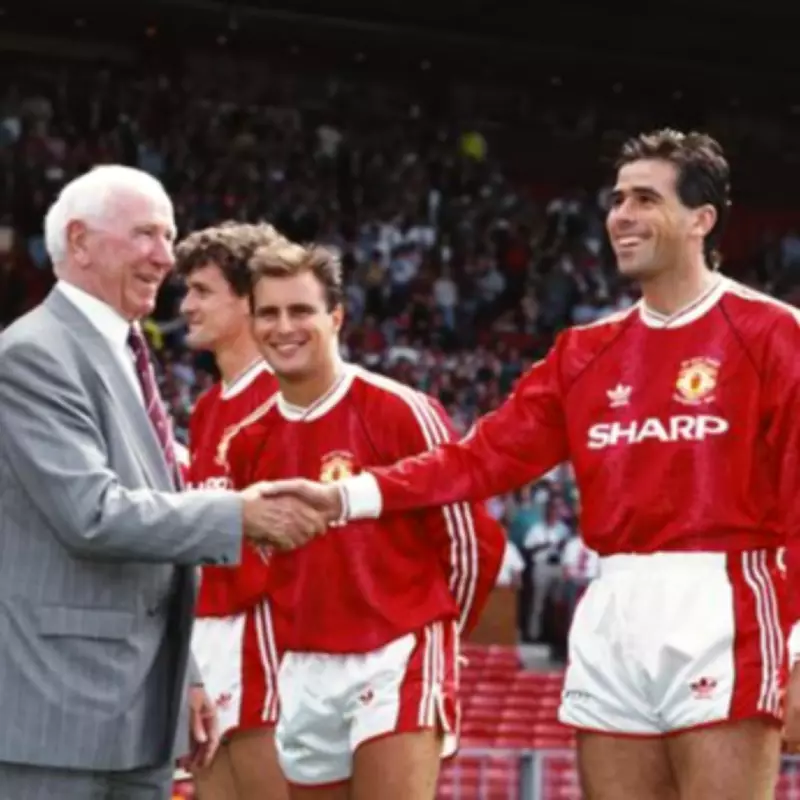
In the early 1990s, Webb was a key figure in English football, known for his technical skill and sharp passing. He played under legendary managers Sir Alex Ferguson at Manchester United and Sir Bobby Robson for the national team, earning 26 caps and scoring four goals. However, three decades later, his daily routine involves early mornings delivering mail in Reading, a far cry from the glamour of Old Trafford or Wembley.
Webb's situation underscores the dramatic financial divide between past football greats and today's Premier League millionaires. While modern players can earn life-changing sums in weeks, Webb belongs to an era where post-retirement work was often necessary. Reports indicate he earned around £220 weekly as a postman, highlighting the modest income compared to contemporary football salaries.

Memorabilia Sales Driven by Necessity
The extent of Webb's financial challenges became public when he put items like his 1990 FA Cup winner's medal, 1992 League Cup winner's medal, and multiple England caps up for auction. In 2024, he added his first England shirt and cap from 1987, with an asking price of £15,000, to the sale list.
"I'm turning 60 in July and it would be good if the shirt and cap goes to someone who will appreciate them," Webb explained. "It will boost my retirement pot. It has hung on the wall in our home and if nobody decides to buy it I'll happily keep hold of it."
He emphasized that the decision was not due to a lack of emotional attachment but rather a practical need for financial security. The medals had been "sitting in a drawer," and at this stage in life, securing his retirement outweighed holding onto the physical items.
Reflections on a Changing Football Landscape
Webb contrasted his generation's earnings with today's players, noting that while they could afford nice homes, cars, and private education for their children, it pales in comparison to modern wages. "I always knew I would have to work after I played. I can't relate to the incredulous wages players get today. Even £100,000 a week – I can't relate to that," he said.
His career included stints at Nottingham Forest, Portsmouth, and Reading before retiring in 1997. Reflecting on his time in football, Webb expressed pride in having played under three of Britain's best managers: Brian Clough, Sir Alex Ferguson, and Sir Bobby Robson. He also mentioned admiration for Pep Guardiola's coaching style, though he never had the chance to play under him.
Broader Context of Financial Hardship in Football
Webb's story is not isolated. His former England teammate, Paul Gascoigne, has faced well-documented financial and personal struggles post-retirement, including mental health and addiction issues. Interestingly, Webb's injury in 1989 inadvertently helped Gascoigne secure a starting spot in England's 1990 World Cup squad, a tournament remembered for a heartbreaking semi-final penalty shootout loss to West Germany.
"Fair play to Gazza. He always thanks me for getting injured," Webb told The Times, highlighting the camaraderie and unexpected twists in football careers.
This narrative serves as a poignant reminder of the challenges many former athletes face, emphasizing the importance of financial planning and the evolving economics of professional sports.