Paddy Pimblett Poised to Lead UFC's Paramount Era with Interim Title Bid
This Saturday's UFC 324 event in Las Vegas represents far more than just another fight card. It marks the ceremonial dawn of a new epoch for mixed martial arts' premier promotion, as the organisation officially transitions to its groundbreaking $7.7 billion broadcasting partnership with Paramount+. The historic shift signals the definitive end of the traditional pay-per-view model, ushering in a subscription-based future that could reshape the sport's accessibility and commercial landscape.
A Financial Revolution for Fight Fans
The move away from ESPN, announced last year as one of combat sports' most significant stories, follows the UFC's sister company WWE in acknowledging the decline of pay-per-view in a streaming-dominated world. For the promotion, the deal provides guaranteed revenue, insulating it from the fluctuating sales of individual events. For fans, particularly in the United States, the financial burden of following the sport has been dramatically reduced.
Under the previous ESPN arrangement, American viewers faced a monthly ESPN+ subscription of $11.99 plus approximately $80 for each numbered UFC event. A Paramount+ subscription now costs just $7.99 per month. The annual cost for a dedicated fan wishing to watch every Pay-Per-View and Fight Night has plummeted from over $1,100 to under $100, representing a seismic shift in affordability and access.

Quality Over Quantity in the New Era
UFC President Dana White has hailed the Paramount agreement as "historic," claiming it positions the UFC "amongst the biggest sports in the world." However, similar fanfare accompanied the ESPN deal in 2019, a partnership that later drew criticism for price increases, streaming issues, and declining pay-per-view performance. Reports last March indicated UFC pay-per-view buys were "way, way down," aligning with a noticeable waning of fan enthusiasm in recent times.
Some observers have suggested the product has grown stale, with the spectacle once captivating mainstream audiences sometimes reduced to White's informal Instagram announcements. Abandoning the pay-per-view model alone will not rejuvenate the product. There is a theoretical risk that, without the direct financial incentive of individual event sales, the UFC might feel less pressure to consistently deliver stacked cards. Therefore, the success of the Paramount era will hinge on sustained quality control, not merely the security of subscription revenue.
A Stacked Card for a New Beginning
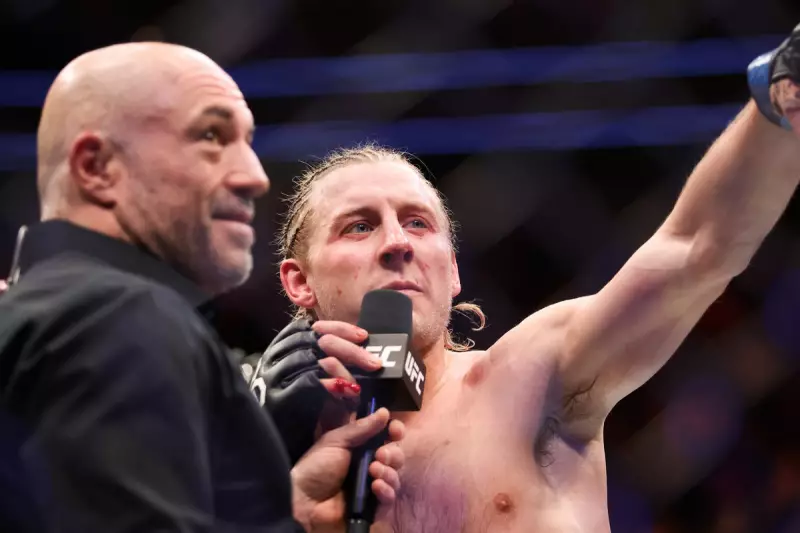
If UFC 324 is any indication, quality is not currently an issue. The Paramount era launches with a spectacular card headlined by Liverpool's charismatic Paddy "The Baddy" Pimblett challenging the legendary Justin Gaethje for the interim lightweight championship. The event was further bolstered by the planned return of former double-champion Amanda Nunes against Kayla Harrison, a bout touted as one of the greatest women's fights ever conceived, though Harrison withdrew due to a neck injury just days before the event.
Nevertheless, the lineup remains exceptionally deep. Former champions Sean O'Malley and Rose Namajunas are in action, and a compelling bout between Umar Nurmagomedov and Deiveson Figueiredo—a matchup worthy of headlining a Fight Night card—finds itself on the preliminary portion of the broadcast, underscoring the card's strength.
Broadcasting Evolution and Star Power
The event also introduces a new broadcasting presence, with the respected Kate Scott making her UFC debut as host. Known for her work with CBS Sports on Champions League football and major boxing events, Scott brings a fresh legitimacy and may signal a stylistic shift in UFC programming, potentially moving towards the presentation formats used by DAZN and Netflix for their combat sports coverage.

The paramount challenge for the UFC's new era, however, remains cultivating consistent superstar power. In the main event, they may have found a solution. Pimblett, with his eccentric personality and undeniable charisma, has long been touted as a potential successor to Conor McGregor's role as a mainstream crossover attraction. While some sections of the hardcore fanbase question his rapid ascent past contenders like Arman Tsarukyan, Pimblett has repeatedly silenced doubters.
The Pimblett Factor
A victory over Gaethje, one of lightweight division's most celebrated warriors, would not only crown Pimblett interim champion but could solidify his status as the UFC's new poster-boy. With undisputed champion Ilia Topuria currently absent for personal reasons, a win for Pimblett sets up a blockbuster unification bout to anchor the 2026 calendar. This could provide the perfect narrative engine for the Paramount era's inaugural year.
2026 looms as a pivotal year for the promotion, with potential milestones including a fight night at the White House and the possible return of McGregor himself. These events could profoundly influence the sport's direction. For now, all eyes are on Las Vegas and a fresh start that offers the UFC a tangible hope of recapturing its former glory, with Paddy Pimblett perfectly positioned to lead the charge into this bold new streaming frontier.