As the United States navigates a period of heightened political tension, this year's Super Bowl finds itself at the centre of a fierce national debate. The National Football League is under mounting pressure to adopt a clear position against the Trump administration's aggressive immigration enforcement policies in the lead-up to Sunday's championship game between the Seattle Seahawks and the New England Patriots.
A Cultural Touchstone Amidst Political Turmoil
More than 184,000 individuals have signed a petition urging the league to publicly denounce the potential deployment of Immigration and Customs Enforcement agents at Levi's Stadium in the San Francisco Bay Area. The liberal advocacy group MoveOn intends to deliver this petition to the NFL's New York City headquarters, highlighting the growing public demand for the sporting body to take a stand.
The Super Bowl remains one of the few cultural events that commands a live audience of millions, yet this year's spectacle threatens to become an unprecedented fusion of sport, entertainment, and political protest. The atmosphere is particularly charged following the recent killing of Alex Pretti by federal agents in Minneapolis, which reignited nationwide discussions about hard-line law enforcement tactics.

The Bad Bunny Controversy
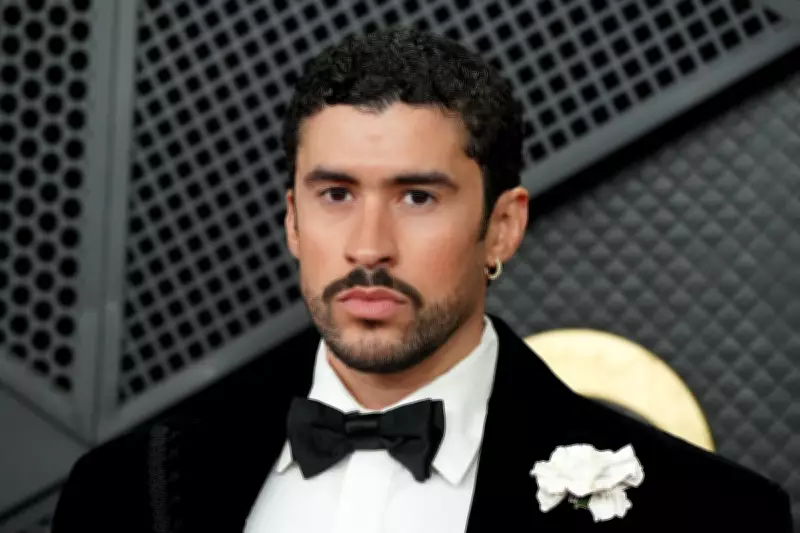
Significant anticipation surrounds how Spanish-speaking headliner Bad Bunny will address the current political climate during his halftime performance. The Puerto Rican-born artist, whose real name is Benito Antonio Martínez Ocasio, has consistently criticised President Donald Trump on issues ranging from hurricane response in Puerto Rico to immigrant treatment.
During his Grammy award acceptance speech on Sunday night, Bad Bunny explicitly condemned ICE, and his latest tour deliberately avoided the continental United States due to concerns that his fans might be targeted by immigration authorities. President Trump has derided the performer as a "terrible choice" for the halftime show, while Republican Senator Tommy Tuberville has labelled the event "the Woke Bowl."
NFL Commissioner Roger Goodell has defended the selection, describing Bad Bunny as "one of the great artists in the world" who understands the platform's power to unite people. An October poll from Quinnipiac University revealed substantial partisan divides, with approximately three-quarters of Democrats supporting the choice compared to just 16% of Republicans.
Security Concerns and Political Posturing
Department of Homeland Security officials have privately indicated that ICE does not plan to conduct law enforcement operations during Super Bowl week or at the game itself, according to NFL sources familiar with the discussions. However, DHS spokeswoman Tricia McLaughlin has refused to confirm whether federal immigration agents will be present, stating only that "those who are here legally and not breaking other laws have nothing to fear."
This ambiguity follows contradictory statements from DHS officials, with key adviser Corey Lewandowski asserting in October that ICE agents would indeed be conducting immigration enforcement at the event. The progressive group MoveOn plans to rally outside NFL headquarters, demanding the league "keep ICE out of the game" to prevent "chaos, violence, and trauma on fans and stadium workers."
A Divided Nation Watches
Former New York Giants player Tiki Barber, who participated in the 2001 Super Bowl, expressed concern that the event might lose its traditional role as an escape from serious national issues. "The Super Bowl is supposed to be an escape, right? We're supposed to go there to not have to talk about the serious things of this country," Barber remarked. "I hope it doesn't devolve, because if it does, then I think we're really losing touch with what's important in our society."
Meanwhile, conservative groups are organising alternative programming, with Turning Point USA announcing that vocal Trump supporter Kid Rock will perform at their counter-event. San Francisco Mayor Daniel Lurie remains optimistic about the event's success despite the politically charged environment, emphasising that authorities are "staying on top of it, monitoring everything" to ensure safety for residents and visitors alike.

As the nation prepares for one of its most watched annual events, the 2026 Super Bowl stands poised to become a defining moment in the intersection of American sports, entertainment, and politics, reflecting the deep divisions and urgent conversations shaping the country's current trajectory.