WHOOP Founder Takes Drastic Action to Circumvent Australian Open Wearables Ban
The founder of leading fitness technology brand WHOOP has revealed he is taking extraordinary measures to ensure athletes can continue using his company's devices during Australian Open matches, despite an official tournament ban on wearable fitness trackers.
Grand Slam Controversy Over Wearable Technology
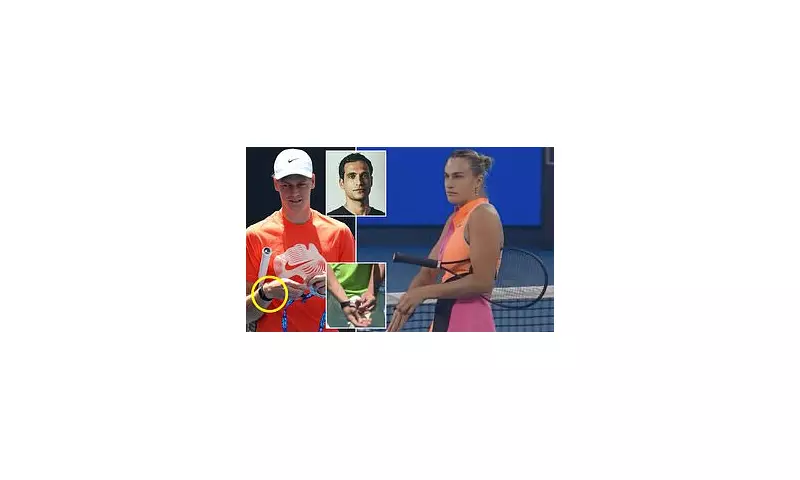
A significant controversy has erupted at the Australian Open over the past week regarding wearable fitness devices, with world number one players including Aryna Sabalenka, Carlos Alcaraz, and defending champion Jannik Sinner all being instructed to remove their WHOOP bands before matches. Tennis Australia has confirmed that wearable fitness devices are prohibited during Grand Slam matches, though discussions are reportedly underway to potentially amend this rule.
After securing her place in the women's singles semi-finals with a commanding 6-3, 6-0 victory against rising star Iva Jovic, Sabalenka expressed confusion about the inconsistent regulations. "The reason why I was wearing that on court is because we received an email that we got approval from the ITF (International Tennis Federation) to wear this device," Sabalenka explained. "I didn't know that the grand slams didn't come to the same conclusion."
Conflicting Regulations Create Player Confusion
The International Tennis Federation has previously approved the use of WHOOP devices, and players are permitted to wear them on both the ATP and WTA Tours provided they disable haptic feedback functionality. This creates a confusing regulatory landscape where equipment allowed throughout most of the tennis season becomes prohibited at the sport's most prestigious events.
"I don't understand why because the whole year we are wearing them in WTA tournaments, all the tournaments I play we wear WHOOP devices," Sabalenka continued. "It's just for tracking my health. I don't understand why the grand slams are not allowing us to wear it and I really hope that they will reconsider the decision and let their players track their health."
WHOOP's Stealth Solution to Tournament Ban
In response to the controversy, WHOOP founder Will Ahmed has announced he is taking drastic action by overnighting the company's WHOOP Body collection to all tennis players competing at the Australian Open. These specially designed undergarments contain discreet pouches where athletes can attach their WHOOP sensors, maintaining skin contact while remaining virtually undetectable beneath regular tennis attire.
"UPDATE: We are overnighting our WHOOP Body collection to all the tennis players at the Australian Open," Ahmed announced on social media platform X. "The sensor can be worn discreetly and effectively in our new undergarments. It's going to take a strip search to keep WHOOP off the court!!!"
Competitive Advantage Concerns and Player Perspectives
The specific reasoning behind the Grand Slam ban remains somewhat unclear, though speculation suggests tournament organisers may be concerned about potential competitive advantages for players using the technology. WHOOP devices monitor crucial physiological metrics including heart rate, blood oxygen levels, and physical exertion, providing data that helps athletes optimise their recovery processes.
Many elite athletes across various sports, including Cristiano Ronaldo, Rory McIlroy, and LeBron James, utilise these screenless wearables to monitor their health and performance. Ahmed has previously described the Australian Open's ban as "ridiculous," arguing that "Data is not steroids!" and calling for tournaments to "Let athletes measure their bodies."
Tournament Response and Player Adaptation
In response to WHOOP's stealth clothing initiative, Tennis Australia has indicated they will not be conducting searches to determine if players are wearing the garments, instead relying on "the players' integrity." The organisation reiterated its position in an official statement: "Wearables are currently not permitted at grand slams. The Australian Open is involved in ongoing discussions on how this situation could change."
Meanwhile, Jannik Sinner has shared his perspective on the controversy, explaining how he utilises the data from his WHOOP device. "It's more about what you can see after the match," Sinner stated. "These are data that we would like to use in practice sessions because from that you can practice with heart rate, how many calories you burn, all these kind of things."
The Italian champion accepted the tournament's ruling, noting: "I mean, the umpire asked me straight away if this is the tracker. I said, 'Yes'. He said (to) remove. It's fine... But rules are rules. I understand. I won't use it again."
Broader Implications for Sports Technology
This controversy highlights the growing tension between technological innovation and traditional sports regulations. As wearable technology becomes increasingly sophisticated and integrated into athletic training and performance monitoring, governing bodies face complex decisions about what constitutes fair competition versus technological enhancement.
The situation at the Australian Open represents a significant test case for how major sporting events will adapt to the proliferation of health and performance monitoring technology, balancing athlete welfare concerns with maintaining competitive integrity across all participants.