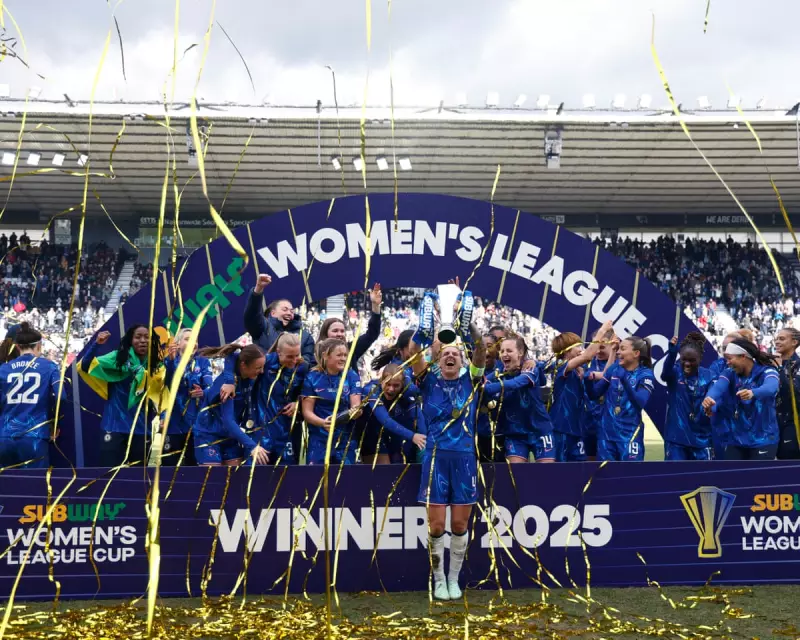
In a significant shake-up for the women's football calendar in England, clubs in the Women's Super League have voted to exclude teams participating in the Champions League from the initial stages of the League Cup. The change, which will take effect from the 2025-26 season, aims to alleviate fixture congestion for the country's top sides.
The Vote and Its Immediate Impact
The decision was reached during a vote held by WSL clubs this week. The new format means that any English club qualifying for the group stage of the UEFA Women's Champions League will receive a bye directly into the quarter-finals of the domestic League Cup, officially known as the Continental Cup. This move directly addresses long-standing concerns from managers and players about an overloaded schedule.
The 2025-26 season will be the first to operate under this new structure. It marks a pivotal shift in how the football authorities balance domestic cup competitions with the growing demands and prestige of European football. The League Cup has traditionally included all WSL and Women's Championship teams from the outset.
Drivers for Change: A Packed Football Calendar
The primary catalyst for the vote is the intense pressure of the modern football calendar. With the Women's Champions League expanding to an 18-team league phase from next season, the number of guaranteed European matches for qualifying clubs will increase. Adding a full League Cup campaign on top of WSL and FA Cup commitments was seen as unsustainable.
Clubs argued that the fixture pile-up risked player welfare and could dilute the quality of performances across all competitions. By granting Champions League participants a pass to the latter stages of the League Cup, the governing body and clubs hope to create more manageable periods for training and recovery.
This restructuring is a clear acknowledgment of the growing stature and demands of the Women's Champions League. As the European competition becomes more lucrative and competitive, domestic scheduling must adapt to support English clubs' ambitions on the continental stage.
Reactions and Competitive Balance
While the change benefits the elite clubs competing in Europe, it also alters the dynamics of the League Cup itself. Teams from the Women's Championship and WSL sides not in Europe will begin their cup journey in the group stage as usual. For them, the path to the latter stages may now seem slightly clearer, albeit with the prospect of facing fresher, top-tier opponents in the quarter-finals.
The decision has sparked debate among fans. Some welcome the pragmatic approach to safeguarding players, while others fear it could devalue the early rounds of the Continental Cup and create a two-tier system. However, the consensus among club executives was that action was necessary to future-proof the schedule.
The Football Association and club representatives have been reviewing the entire domestic calendar for some time. This vote on the League Cup format is the first major concrete change to emerge from those discussions, signalling a more flexible and modern approach to competition design.
Looking Ahead: The Future of Domestic Cups
The alteration to the League Cup rules is likely just the beginning of ongoing calendar reforms. As women's football continues its rapid professionalisation and commercial growth, further adjustments to the FA Cup and even the WSL schedule may be considered. The focus remains on creating a structure that allows for high-quality football, player development, and commercial success without overburdening squads.
All eyes will now be on the 2025-26 season to assess the impact of this change. The success of the new format will be judged not only by the performance of English clubs in Europe but also by the continued health and competitiveness of the domestic League Cup competition.