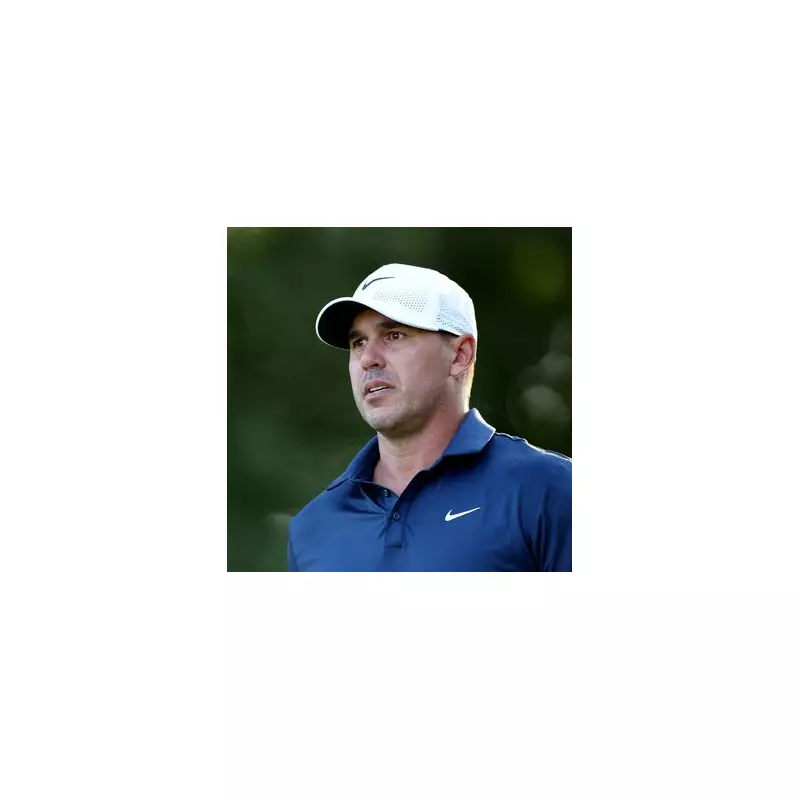
In a significant policy shift, the PGA Tour has opened a temporary door for elite players who defected to the rival LIV Golf circuit to make a dramatic return. The move comes after five-time major champion Brooks Koepka applied to rejoin the tour, prompting officials to establish a new, tightly controlled pathway back.
A Strict One-Time Offer for Major Winners
The newly formed Returning Member Program offers a lifeline, but with stringent conditions. It is available only to players who have won a Major championship or The Players title since 2022 and who have been absent from the PGA Tour for more than two years. Crucially, this is a one-time window that slams shut on February 2, 2026, just before the new LIV Golf season begins in Riyadh on February 4.
In a memo to members, PGA Tour CEO Brian Rolapp was explicit: “This is a one-time, defined window and is not a precedent for future situations. Once the door closes, there is no promise that this path will be available again.” This policy could apply to other LIV stars such as Bryson DeChambeau, Jon Rahm, and Cam Smith, provided they meet the criteria and act before the deadline.

Koepka's Return Comes at a Heavy Price
Brooks Koepka, who shocked the golf world by leaving LIV Golf last month with a year remaining on his contract, is the first high-profile beneficiary. He stated his childhood dream was to compete on the PGA Tour and expressed excitement about his return, citing faith in the tour's new leadership and its player equity programme.
However, his comeback carries a monumental financial penalty. As part of the agreement, Koepka faces a five-year forfeiture of potential equity in the PGA Tour’s Player Equity Program. Tour estimates suggest this could cost him between 50 and 85 million US dollars in potential future earnings. Additionally, at the tour's request, he has agreed to make a five-million dollar charitable donation.
What This Means for Golf's Future Landscape
This unprecedented move signals a potential thaw in the frosty relations between the established PGA Tour and the Saudi-backed LIV Golf series, but on the PGA Tour's strict terms. It creates a narrow corridor for the sport's biggest names to reunite under one banner, albeit at a significant personal cost.
The establishment of the Returning Member Program, directly triggered by Koepka's application, shows the PGA Tour is willing to adapt its rules for the game's top talent. Yet, by framing it as a non-precedent-setting exception with severe financial disincentives, the tour also strongly discourages future defections while attempting to reintegrate star power ahead of its crucial upcoming season.