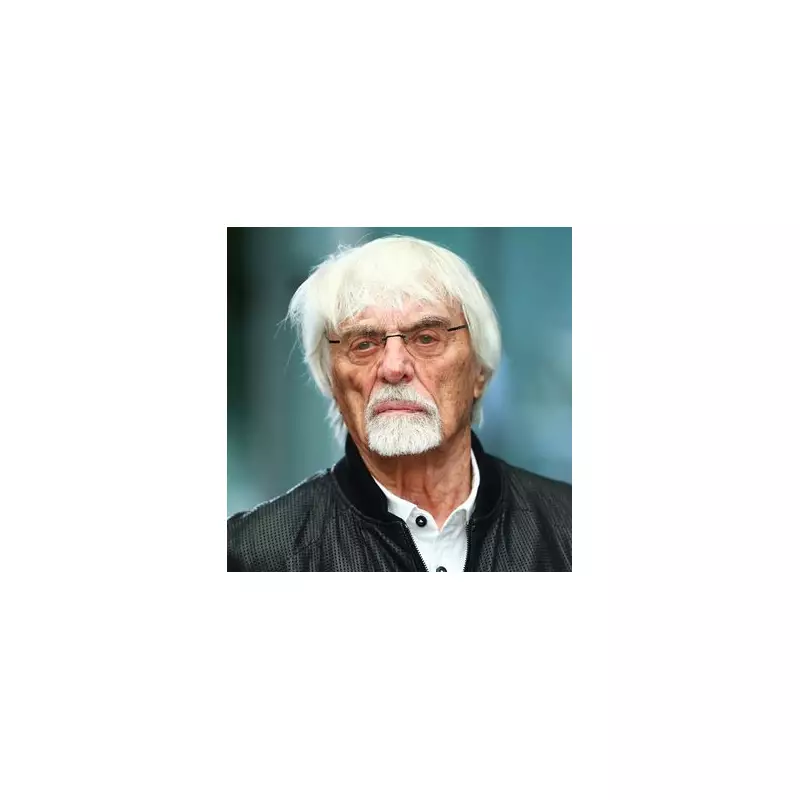
Formula One supremo Bernie Ecclestone made the surprising decision to decline a knighthood from Queen Elizabeth II, citing that his own motivations did not align with the spirit of the award.
The Honours Snub Explained
The 95-year-old motorsport magnate, a pivotal figure in shaping modern F1, was offered the prestigious title in the 1990s. However, Ecclestone believed his considerable achievements in building the sport's commercial empire did not merit such royal recognition. He explained his reasoning in a candid interview earlier this year, stating he acted primarily for himself, not for country.
"Whatever I did, I did for myself," Ecclestone told The Telegraph. "If somebody benefited from that, good. But it was never my intention." He controversially linked the honours system to Britain's colonial history, suggesting knighthoods should be reserved for acts like capturing a territory for the Crown. "I thought these awards should only be for people who had captured a country, gone back to the Queen and given her the keys," he remarked.

A Consistent Stance on Recognition
This was not the first time Ecclestone expressed this view. Back in 2017, he made a similar argument, emphasising that only those who dedicate themselves to serving the nation should be honoured. "I think the whole system is wrong," he stated. "If somebody actually dedicates themselves to do something for the country and is proud to do it, they should be recognised for that."
His stance stands in contrast to several other knights within the Formula One world. The sport has seen four drivers knighted, including Sir Lewis Hamilton, Sir Jackie Stewart, Sir Stirling Moss, and Sir Jack Brabham. Furthermore, former McLaren team principal Ron Dennis received a knighthood last year for his contributions to industry and charity.
Hamilton's Royal Encounter
Reflecting on his own experience of being knighted, seven-time world champion Lewis Hamilton shared a poignant memory involving King Charles III. Hamilton revealed that the then-Prince of Wales remembered a meeting from when the driver was just a 13-year-old karting hopeful at the McLaren factory.
"He knelt down and asked me what I wanted to do and what my dreams were," Hamilton recounted on Jimmy Kimmel Live. Years later at the investiture ceremony, the King recalled their first encounter, telling Hamilton, "you've come a long way." This personal touch highlighted a different, more personal side to the honours system that Ecclestone consciously chose to forgo.
Ecclestone's rejection, rooted in a critique of the system's foundations and a stark assessment of his own legacy, remains a unique footnote in the annals of both British honours and motorsport history.