NASCAR Doctor Relives Dale Earnhardt's Tragic Daytona 500 Death 25 Years Later
This Sunday marks a sombre quarter-century since NASCAR legend Dale Earnhardt tragically lost his life on the final lap of the 2001 Daytona 500. The iconic driver, aged 49, was killed instantly in a high-speed impact that shocked the motorsport world and precipitated a safety revolution within the sport.
The Fateful Final Lap and Instantaneous Impact
During that fateful race, Earnhardt was running in third position, directly behind his son Dale Earnhardt Jr. and Michael Waltrip. All three drivers were competing for Dale Earnhardt Incorporated, with the proud father and team owner poised to secure a remarkable 1-2-3 finish for his squad.
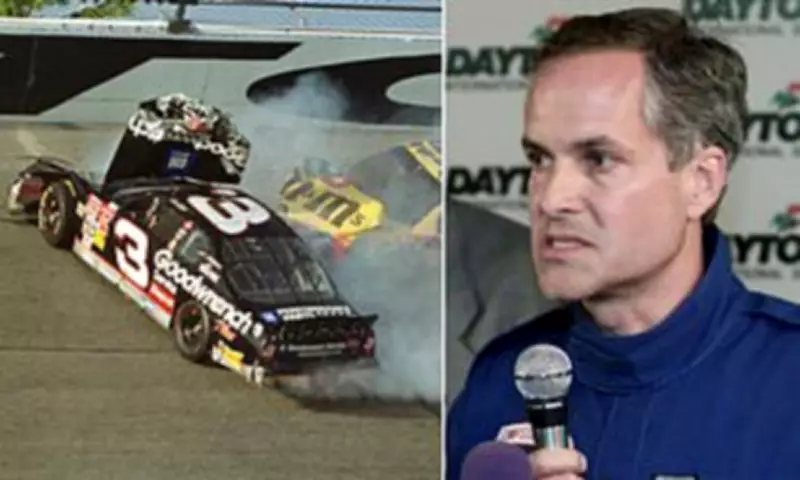
Tragically, Earnhardt's car went loose on its left rear tire after contact from driver Sterling Marlin. The vehicle spun violently and slammed straight into the wall at Turn 4. The force of the collision was catastrophic, resulting in immediate fatal injuries for the seven-time Cup Series champion.

Medical Director's Harrowing First-Hand Account
In an exclusive interview with OutKick, Dr. Steve Bohannon, the physician who first responded to the wreck, has provided a detailed and poignant recollection of the events. "It's a terrible thing to see somebody die," stated Dr. Bohannon. "I was just focused on taking care of my patient, it didn't matter who they were. We went into the trauma bay, and, you know, I knew he wasn't going to make it back."
Dr. Bohannon had only recently been appointed as the Medical Director of Emergency Medical Services at Daytona International Speedway, a position he would hold for the subsequent decade. "I had just started in that position," recalled the now-retired 68-year-old. "And I mean, s**t hit the fan. So yeah, I was new to that."
The Scene of the Tragedy and Medical Efforts
Raced over from his post at Turn 2, Bohannon arrived at the scene with a grim premonition. "I think everybody knew at the scene," he revealed. "Everybody knew that he had passed away at impact. I knew all the medics, and they shook their heads when they saw me walk up."
Upon examination, the signs were unequivocal. "I went in and checked his pulse, and saw the blood coming from the ears and from the airway, and knew it was a basal skull fracture and that he had no sense of life." Bohannon explained the brutal physics involved: "When the car stops, the body keeps moving. And when your body quits moving, your brain keeps moving and decelerates inside your skull, and the forces are tremendous."
Despite the overwhelming evidence, medical personnel proceeded with full resuscitation efforts. Earnhardt was loaded into an ambulance and rushed to Halifax Health Medical Center. Doctors there continued working for at least thirty minutes before formally pronouncing him dead.
Family Presence and the Official Announcement
Dale Earnhardt's wife, Teresa Earnhardt, was present in the trauma room after initially being held back by security personnel. "She just let us do our jobs, and watched," Bohannon remembered. "I felt like it was important – I've always felt like it was important – for the family to see that everything is being done for their loved one."
Following the pronouncement of death, Dr. Bohannon informed NASCAR president Mike Helton. It fell to Helton to deliver the devastating news to the world with the historic announcement: "We've lost Dale Earnhardt."
The Enduring Safety Legacy Born from Tragedy
Earnhardt's death proved to be a pivotal moment for NASCAR safety. In its immediate aftermath, the sanctioning body implemented sweeping new safety mandates and technologies, including:

- The compulsory use of HANS (Head and Neck Support) devices for all drivers, designed to prevent basal skull fractures.
- The widespread installation of SAFER (Steel and Foam Energy Reduction) Barriers around racetracks to absorb crash energy more effectively.
These critical changes have resulted in a profound legacy: Dale Earnhardt's fatal crash remains the last time a driver has died in a NASCAR Cup Series race. His tragic passing, therefore, stands as both an immense loss and the catalyst for a safety era that has protected countless drivers in the 25 years since.