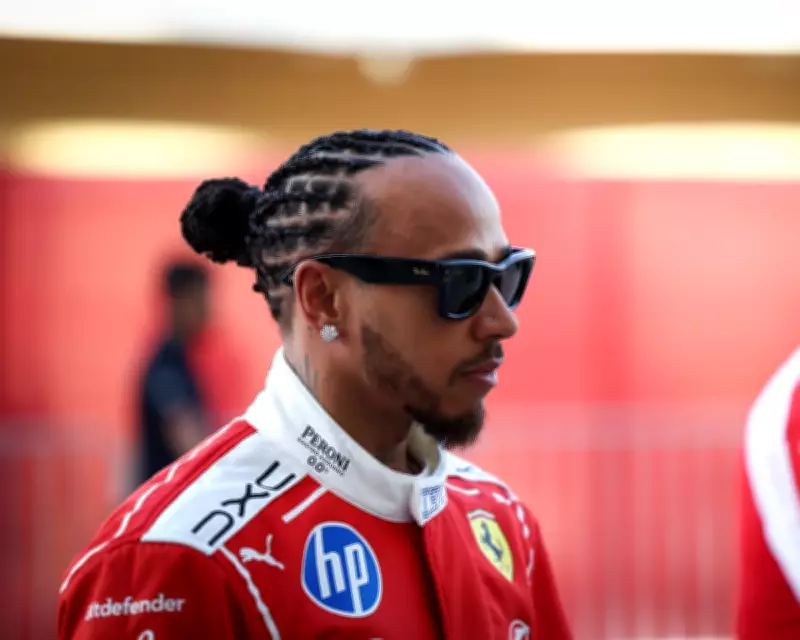
Lewis Hamilton Issues Stark Warning Over F1's 2026 Rule Complexity
Lewis Hamilton has delivered a striking critique of Formula One's upcoming 2026 regulations, branding them as 'ridiculously complex' and warning that fans may struggle to comprehend the new power management systems. The seven-time world champion made these remarks during the second pre-season testing session in Bahrain, where he was driving his new Ferrari car.
Drivers Express Concerns Over Fan Comprehension
Hamilton emphasised the difficulty in explaining the new rules, stating, 'None of the fans are going to understand it, I don't think. It's so complex. It's ridiculously complex.' He added that understanding the regulations feels like needing a degree, highlighting the challenges posed by the near 50-50 split between combustion and electrical power in the new engines.
He is not alone in his concerns. Other drivers, including world champion Lando Norris, have voiced similar reservations about the complexity of energy management, which is largely controlled by software within the car. Norris recently noted that these intricacies could be hard to convey to spectators and might detract from the racing experience.

New Power Units Demand Strategic Driving
The 2026 power units are designed to maximise energy use across a lap, incorporating a boost mode for electrical power and requiring energy recovery through techniques like 'lift and coast' on straights. While this method has been used previously for fuel conservation, Hamilton expressed worry that it will become too prevalent, potentially altering the essence of racing.
'If you look at Barcelona, for example, we're doing 600 metres lift and coast on a qualifying lap. That's not what racing is about,' Hamilton remarked, underscoring his frustration with the new demands on drivers.
Testing Challenges in Bahrain
During the Bahrain test, which runs until Friday, Hamilton experienced a spin at turn one after locking up and losing the rear of his Ferrari. He suffered no damage and continued driving, but this incident highlighted the difficulties drivers face in adapting to the new engines. Max Verstappen set the quickest time in the first session, with Hamilton finishing fourth, one second behind the Red Bull driver.
Many drivers have struggled with the new challenges, which include braking hard into corners for optimal energy recovery while maintaining high revs in certain turns to minimise turbo-lag on exit. This combination makes for a tricky balancing act that requires precise management.
Looking Ahead to the Season
A final pre-season test is scheduled for next week in Bahrain, with the first race of the 2026 season set to take place in Melbourne on 8 March. As teams and drivers continue to grapple with the new regulations, Hamilton's warnings serve as a reminder of the potential impact on fan engagement and the sport's accessibility.
The ongoing discussions around these rules highlight a broader debate within Formula One about balancing innovation with comprehensibility, ensuring that the sport remains exciting and understandable for its global audience.