Heavyweight Boxing Faces Existential Crisis as Usyk Pursues American Dream
A profound disturbance is rippling through the world of professional boxing, threatening the very star wars that have traditionally empowered the sport. The most critical damage is being inflicted upon the marquee heavyweight division, which finds itself at a crossroads of legacy, finance, and global appeal.
Usyk's Defiant Choice: Legacy Over Lucrative Saudi Millions
The situation is not primarily defined by Anthony Joshua's compassionate leave as he grieves the tragic loss of two friends in a Nigerian car crash he miraculously survived. Instead, the pivotal narrative centres on Oleksandr Usyk, the two-time undisputed and current unified world champion. Despite standing physically smaller than his leading rivals, Usyk's skills place him head and shoulders above the competition. In a bold move, he is forgoing the extra mega-millions available in Saudi Arabia to seek rightful recognition of his superlative talents in America.
Usyk is actively searching for a US promoter to stage a blockbuster clash in Las Vegas or Los Angeles against Deontay Wilder. This potential bout, a battle of hugely contrasting styles, hinges on Wilder avoiding a slip-up in his scheduled run-out against Derek Chisora in London this April.

Wilder's Lingering Power and America's Allure
Now 40 years old and almost six years removed from losing his world championship to Tyson Fury, Alabama's Wilder retains a formidable reputation in America as the most devastating puncher since Mike Tyson. Tyson Fury, who still harbours faint hopes of a third fight with Usyk, accurately observes: 'Oleksandr is only doing this because Wilder is still a big legacy name over there.'
Usyk's long-time manager, Alex Krassyuk, confirms the champion's ambition: 'Oleksandr wants to conquer America before he retires.' The leading candidates to facilitate this American dream are Oscar De La Hoya's Golden Boy Promotions and UFC overlord Dana White, as he expands his empire into boxing.
A Global Spotlight Versus Domestic Limitations
Usyk's status as the planet's top pound-for-pound fighter grants him the authority to dictate his path. A showdown with Wilder would captivate attention not only across America but worldwide. In contrast, recent fights involving Fury and Daniel Dubois drew comparatively limited international interest, partly due to broadcast time differences but also a lack of global resonance.
Their Riyadh paymaster, Turki Alalshikh, has been urging Usyk to remain in the UK scene, suggesting fights against domestic contenders like Fabio Wardley or Moses Itauma. However, neither matchup currently possesses the allure to excite the paying public overseas. Wardley's fairytale rise from white-collar anonymity to claiming a vacant WBO title—a belt Usyk relinquished—was aided by Joseph Parker arriving overweight and later testing positive for cocaine. Itauma's more traditional ascent has been delayed by injury, postponing a level-raising fight against Jermaine Franklin.
A Shallow Pool of Household Names
This heavyweight uncertainty is set against a broader shortage of household names across the sport. The fact that Wardley can become a world champion, that Derek Chisora still ranks sixth with two major governing bodies, and that Lawrence Okolie is a leading contender speaks volumes about the division's current depth. We are far from the legendary eras of Louis, Dempsey, and Walcott; Ali, Frazier, and Foreman; or Tyson, Lewis, and Holyfield.
Other weight divisions are not faring much better, lacking unmissable super-fights. The presence of fighters like Conor Benn and Chris Eubank Jr. in various top 10 rankings underscores a mediocrity gap. Where are the modern equivalents of Hagler, Duran, Hearns, Chavez, Mayweather, Pacquiao, or the Sugar Rays? That calibre of genius is arguably found only in Usyk, who is not getting any younger, and Naoya Inoue, whose devotees remain largely concentrated in Japan and among purists.

The Struggle for Relevance in a Changing Landscape
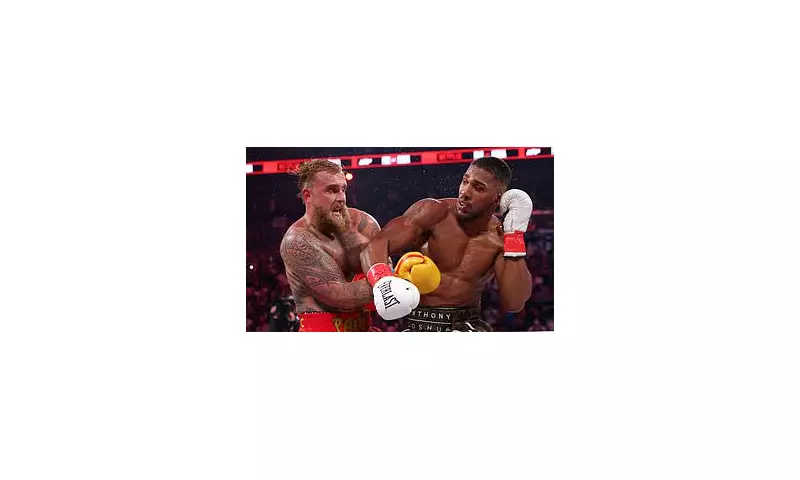
Ring Magazine's current top 10—featuring names like Jesse Rodriguez, Dmitry Bivol, and Shakur Stevenson—is populated by fighters either slipping past their prime or failing to fulfil their potential. Meanwhile, the pay-per-view model shows signs of strain. The Eubank-Benn II rematch registered only 620,000 buyers, a figure dwarfed by the hundreds of millions of Netflix subscribers who tuned into Jake Paul's crossover spectacles with Mike Tyson and Anthony Joshua. This stark comparison spells clear danger for traditional boxing's economic and cultural model.
Questions abound: Can American pin-up Ryan Garcia overcome his personal demons to galvanise an audience beyond his social media followers? Could the devout and dedicated Moses Itauma detonate his way to the top? Boxing, it seems, is anxiously awaiting a new saviour to restore its former glory and captivate a global audience once more.