Ahead of the 2015 Formula 1 season, the historic Sauber team plunged into an unprecedented crisis that threatened its very participation in the opening race. In a staggering administrative blunder, the Swiss outfit had signed contracts with three drivers for only two available race seats, sparking a messy and public legal battle that dominated the winter headlines.
The Contractual Conundrum That Sparked Chaos
The roots of the dispute lay in Sauber's driver decisions for the 2015 campaign. The team had officially hired Marcus Ericsson and Felipe Nasr to replace its previous line-up. However, this move fatally overlooked a pre-existing obligation to a third driver: Dutchman Guido van der Garde.
Van der Garde had served as the team's test and reserve driver in 2014. He alleged that Sauber had guaranteed him a full-time race seat for the upcoming season, a promise he believed was legally binding. Feeling sidelined and betrayed, the Dutch driver took decisive action in December 2014, filing an international arbitration complaint in Swiss courts.

Courtroom Drama on the Eve of the Season
The legal dispute escalated dramatically just days before the season-opening Australian Grand Prix. A national court delivered a bombshell ruling in Van der Garde's favour, confirming his enforceable right to race for the team at Albert Park.
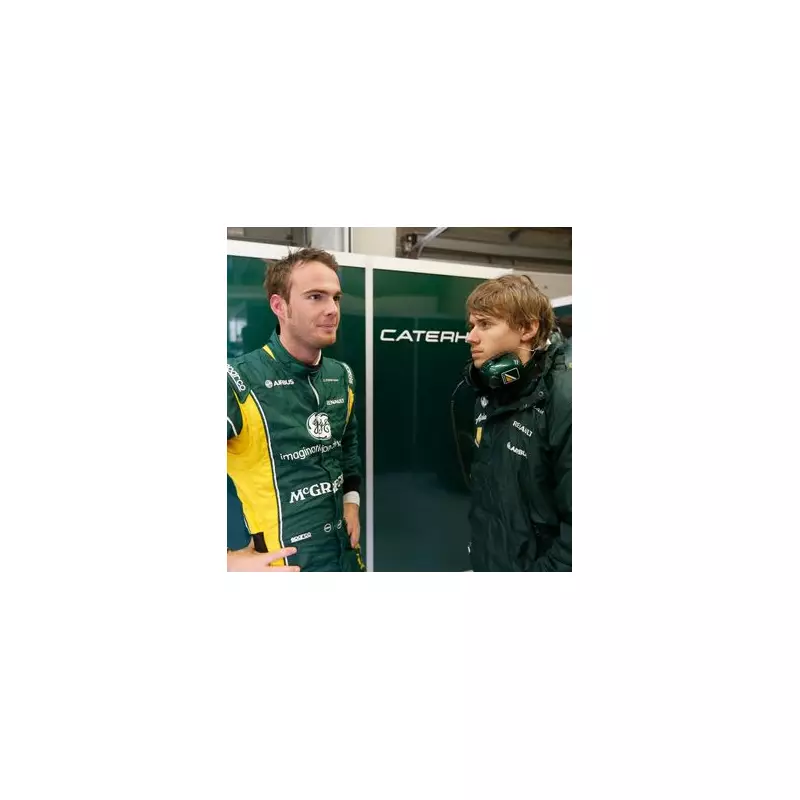
In an extraordinary scene, Van der Garde arrived at the circuit fully prepared to drive. He appeared in the Sauber garage with his race equipment, creating a highly visible and intensely awkward confrontation for the team's management and his rival drivers on the eve of practice.
An 11th-Hour Settlement and Lasting Regret
Despite the court's clear order, a final twist was yet to come. Just before the race, Van der Garde agreed to waive his right to compete. This decision was part of a confidential settlement that included a significant financial payout from Sauber.
The resolution allowed Sauber to finally begin the season with its intended pairing of Ericsson and Nasr. For Van der Garde, however, the outcome was a profound personal and professional defeat. He publicly expressed his devastation, stating: "This dream has been taken away from me, and I know that my future in Formula One is probably over."
He added, with clear bitterness towards the team's leadership: "The team principal was adamant not to let me drive, notwithstanding my legal rights to do so and a series of rulings and court orders in my favour." The affair remains one of the most glaring examples of contractual mismanagement in modern Formula 1 history.