Europe's Winter Sports Diversity Deficit Exposed
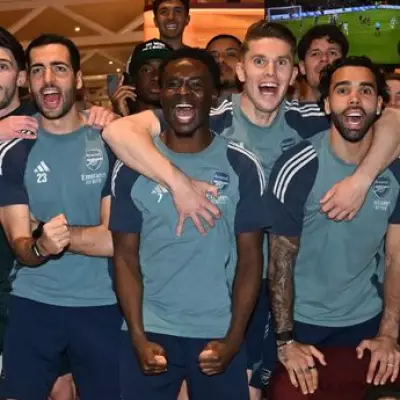
As Europe's population becomes increasingly diverse through immigration from Africa and the Middle East, this demographic transformation remains conspicuously absent from the continent's Winter Olympic teams. While summer sports like football have embraced multicultural representation, winter sports continue to present a starkly homogeneous picture that fails to reflect modern European societies.
The Personal Journey: From Alien to Advocate
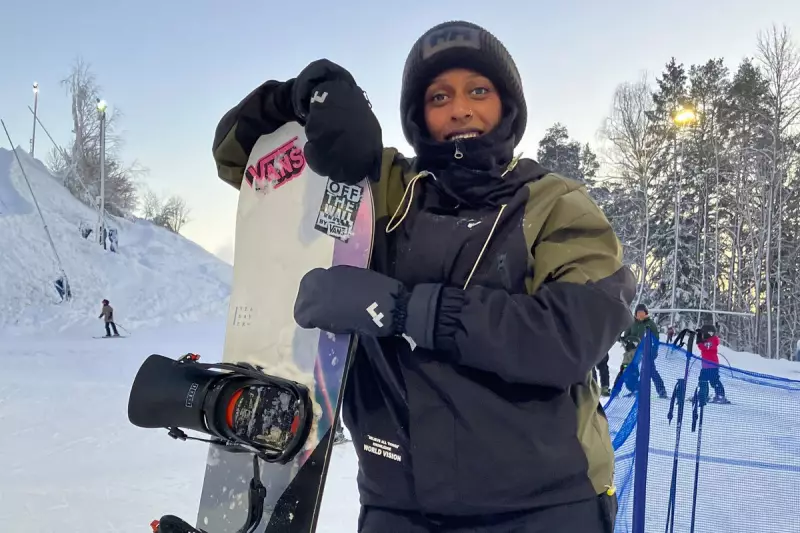
Maryan Hashi vividly recalls her initial experiences on Swedish ski slopes as a Black woman originally from Somalia. "I felt like an 'alien,'" she remembers, describing the self-conscious questions that plagued her early attempts at snowboarding. "Am I wearing the correct clothing for this? Does it fit? Do I look weird? Am I snowboarding correctly? Do they think it's weird I'm on the slope?"
Despite these initial doubts, Hashi persevered, discovering through a municipal integration project that snowboarding could become her passion and pathway to belonging. Now 30, she actively teaches both children and fellow immigrants, challenging perceptions that winter sports are "not our thing." Her journey highlights both the potential for inclusion and the significant barriers that prevent broader participation.

The Statistical Reality: Diversity Disconnect
The numbers reveal a troubling disconnect. Sweden, where approximately 2 million of 10 million residents were born abroad (with about half originating from Asia or Africa), is sending a Winter Olympic team comprised almost exclusively of ethnically Swedish athletes. NHL player Mika Zibanejad, whose father is from Iran, represents a rare exception to this pattern.
This homogeneity extends across European winter sports nations including France, Germany, and Switzerland, whose Olympic rosters contrast sharply with the diverse representation seen in their football or basketball teams. While the United States has increasingly addressed diversity in winter sports, sending one of its most diverse teams to the Games, Europe has largely avoided similar scrutiny.
Root Causes: Cultural, Financial and Geographical Barriers
Professor Josef Fahlen of Umea University identifies parental influence as the single most significant factor determining children's sporting participation. "It takes not years but decades," he notes, explaining that children of non-European immigrants are unlikely to encounter sports unfamiliar to their parents.
Fahlen contrasts football's global presence with winter sports' cultural specificity: "Take the example of Alexander Isak finding his way into football — it makes total sense because football exists in Eritrea. Skiing doesn't." He regards the diversity gap as "not a winter sports problem but a cultural issue" requiring representation that demonstrates winter sports participation is possible regardless of background.
Additional barriers include:
- Geographical separation: Immigrants in Sweden typically reside in major urban areas, distant from mountainous skiing regions
- Financial constraints: Winter sports participation requires significant investment in equipment, clothing, travel, and ski passes
- Information gaps: Limited awareness about available facilities and programs within immigrant communities
Integration Through Sport: Missed Opportunities
Professor Stefan Jonsson of Linköping University emphasises sport's unique integrative potential: "It's a fact that the best integrative force in society is team sports and sports clubs, where kids can go to do useful things together with others. There is so much research saying if we want social and ethnic integration, this would be the primary thing."
While Sweden's ski federation acknowledges room for improvement, stating "we want to be better" and that "inclusion is something we strive for," existing initiatives like the "Alla På Snö" ("Everyone On Snow") program and Leisure Bank equipment lending service don't specifically target immigrant communities. These represent missed opportunities to broaden participation and talent pools.

The Path Forward: Opening Doors for Future Generations
Hashi's experience demonstrates both the challenges and possibilities. Having discovered snowboarding through an integration initiative, she now advocates for greater accessibility: "Open the door for us. We're going to take care of the next generation for you."
Experts agree that addressing Europe's winter sports diversity gap requires:
- Targeted outreach programs specifically designed for immigrant communities
- Increased visibility of diverse winter sports athletes as role models
- Addressing financial and geographical barriers to participation
- Recognising winter sports' potential as integration tools rather than exclusive activities
As Europe continues to evolve demographically, the question remains whether winter sports will adapt to reflect these changes or remain culturally isolated activities that fail to represent the continent's true diversity.