Scotland's Six Nations Ambitions Crushed Within Opening Quarter
It took a mere fifteen minutes for Scotland's Six Nations aspirations to unravel completely in Rome. Gregor Townsend's side displayed catastrophic defensive frailties from the outset, conceding two tries within the opening quarter-hour that set the tone for a dismal afternoon. The overwhelming sense of foreboding among Scottish supporters proved justified as another championship campaign appeared doomed before it had properly commenced.
Italian Superiority Exposes Scottish Deficiencies
The final 18-15 scoreline suggested a narrow contest, but the reality revealed comprehensive Italian dominance across every facet of play. Italy demonstrated superior speed, tactical intelligence, execution accuracy, and error minimization throughout the match. Their victory was thoroughly deserved, with head coach Gonzalo Quesada comprehensively outmaneuvering his Scottish counterpart.
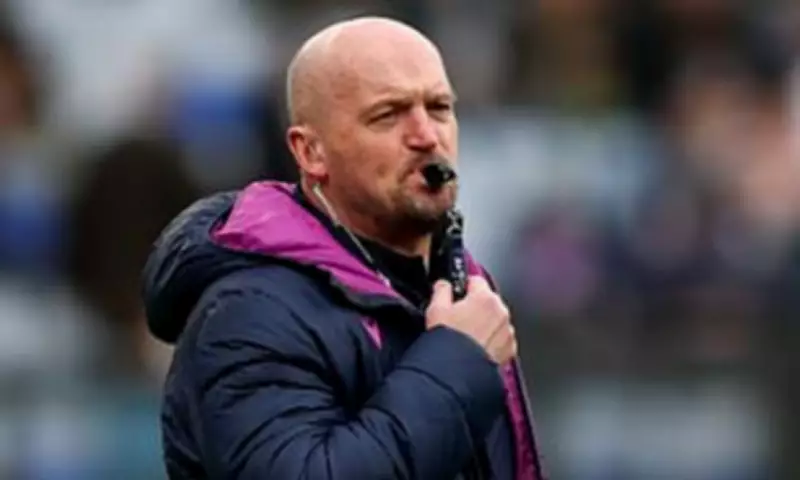
At full time, Townsend presented the image of a thoroughly beaten man, his expression bordering on resignation. The majority of Scottish supporters now demand what his face suggested - his formal letter of resignation after eight-and-a-half years at the helm.

Mounting Pressure on Beleaguered Coach
Despite Townsend's post-match insistence that he expects to lead Scotland against England at Murrayfield next weekend, his position appears increasingly untenable. The coach's assertion that he remains the right man for the job contrasts starkly with mounting evidence that his tactical approach has stagnated.
Scottish Rugby executives are unlikely to dismiss Townsend immediately despite the Rome debacle, though performance director David Nucifora theoretically possesses that authority. However, Nucifora's part-time advisory role and expiring contract make decisive action improbable.
Calcutta Cup Cannot Salvage Failing Regime
Even victory against England next weekend would represent merely temporary respite rather than meaningful progress. Under Townsend's leadership, Scotland have secured the Calcutta Cup six times in eight years, yet these isolated successes have never translated into sustained Six Nations title challenges.
The fundamental issues plaguing Scottish rugby extend beyond single results. Many players excel at club level with trophy-winning teams, yet consistently underperform collectively for the national side - a damning indictment of Townsend's structural approach.
Tactical Misjudgments Compound Problems
Specific decisions in Rome exacerbated Scotland's difficulties. Townsend's controversial 5-3 bench split proved ill-suited to torrential conditions where additional forward power was essential. Adam Hastings remained unused despite the weather demanding different resources.
The experimental back three of Kyle Steyn, Jamie Dobie, and Tom Jordan displayed alarming defensive disorganization, while set-piece failures reached unprecedented levels. Lineout throwing inaccuracies from Ewan Ashman repeatedly squandered promising field positions.
Inevitable Conclusion Approaches
With expectations already modest following twelve months of disappointing results, Scotland's failure to meet even these reduced standards in their opening match signals profound systemic issues. The remaining championship offers little beyond potential wooden spoon avoidance or mid-table mediocrity.
The growing consensus suggests Townsend's departure has become inevitable. Each subsequent match risks further damaging his legacy while delaying necessary regeneration. Scottish rugby finds itself trapped in a cycle of underachievement that demands decisive leadership change to escape.