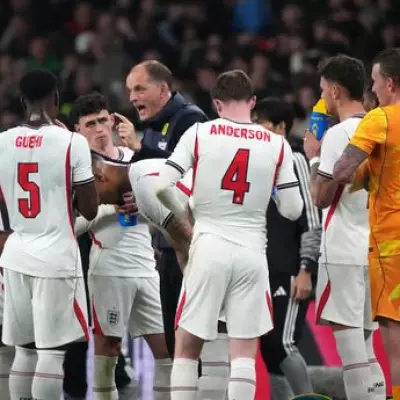
For decades, a strict code of abstinence before major sporting events was considered gospel, famously practised by legends like Muhammad Ali. Now, groundbreaking scientific research has turned this long-standing tradition on its head, suggesting that intimacy before exercise might actually enhance, not hinder, an athlete's capabilities.
The End of a Sporting Myth
The study, conducted by a team from the University of Valladolid in Spain, put the old adage to the test. Researchers examined 21 healthy, physically fit men, subjecting each to a rigorous cycling test on two separate occasions. The first test followed a week of sexual abstinence, while the second was performed just 30 minutes after the men had been amorous.
The results were clear and counter-intuitive. Contrary to the fears of generations of coaches and athletes, the participants were able to cycle for a longer duration after sexual activity. The research, published in the journal Physiology & Behavior, concluded that pre-exercise sexual activity does not impair athletic capacity in trained men.

Why the Old Belief Persisted
Dr Athalie Redwood-Brown, a senior lecturer in performance analysis of sport at Nottingham Trent University, explained the origins of the abstinence myth. "For a long time, athletes thought that if they had sex, they would have less strength, speed, or aggression left for their sport," she said. This belief was epitomised by boxing icon Muhammad Ali, who was reported to avoid sex for at least six weeks before a major fight in a bid to sharpen his focus and conserve energy.
However, Dr Redwood-Brown notes the new evidence shows this worry is "mostly based on old beliefs, not how the body really works."
The Science of Relaxation and Focus
The physiological explanation for the performance boost lies in the body's response to intimacy. "After sex, the body releases chemicals that help people feel calm, happy, and relaxed," Dr Redwood-Brown stated. This biochemical shift offers several advantages for an athlete preparing to compete:
- Improved Concentration: A calmer state of mind can help athletes focus better on the task ahead.
- Smoother Muscle Function: Reduced nervousness can lead to more fluid and efficient muscle movement.
- Perceived Effort: The overall feeling of relaxation can make strenuous exercise feel somewhat easier to manage.
The Spanish researchers succinctly challenged the old dogma in their report, stating their findings "challenge the long-standing myth of mandatory abstinence before competition." This revelation could change pre-game routines across sports, shifting the focus from restrictive rituals to strategies that genuinely optimise both mental and physical readiness.