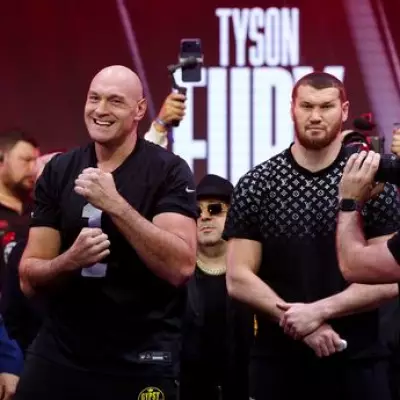
The BBC found itself at the centre of a storm on Sunday, forced to issue repeated apologies to viewers during its broadcast of the controversial 'Battle of the Sexes' tennis exhibition between Aryna Sabalenka and Nick Kyrgios. The event, which aired on the flagship BBC One channel, drew fierce criticism from fans angered by both persistent technical failures and the decision to give the match a national platform.
A Controversial Match-Up From The Start
The exhibition had been mired in debate since Kyrgios first announced in September that he would face the women's world number one. Critics lambasted the contest as a sham, pointing to the vast disparity in the players' current standings: Kyrgios is ranked 671st in the world and has been persistently injured, while Sabalenka sits at the summit of the women's game. Further controversy stemmed from Kyrgios's own history of criticising women's tennis on social media.
News that the BBC had purchased the rights and scheduled it for a prime Sunday afternoon slot only intensified the backlash. As the match played out in Dubai's Coca-Cola Arena, social media users vented their fury. One viewer wrote on X, formerly Twitter: 'It's genuinely dispiriting that our national broadcaster, the BBC, is showing Battle of the Sexes tennis match... An event which cheapens the sport and fundamentally betrays the legacy of Billie Jean King.'

Technical Troubles Compound Viewer Anger
The broadcast itself was plagued with problems, leading to multiple on-air apologies from the BBC. The television feed cut out several times, leaving commentators Annabel Croft and Andrew Cotter, who were based in the UK, to try and keep up with the score without pictures. At other points, the sound continued while the picture froze.
'Utterly rubbish pictures from the BBC during this debacle,' one incensed viewer posted online. 'Is this what we pay £15 a month for?' Another user agreed: 'BBC finally get the exclusive rights to show a big sporting event and they keep losing the picture. Welcome back to the 1970s.'
Legacy Overshadowed and a One-Sided Contest
The event drew a pointed disassociation from the legendary Billie Jean King, whose iconic 1973 victory over Bobby Riggs was a landmark moment for social change and women's sports. The 12-time Grand Slam champion had stated beforehand that the only similarity was 'that one is a boy and one is a girl. That's it... Ours was about social change... This is not.'
On court, a visibly unfit Nick Kyrgios still managed to breeze to a 6-3, 6-3 victory in just over 90 minutes, despite Sabalenka's attempts to inject entertainment with a glitzy entrance set to 'Eye of the Tiger' and a mid-match dance. The match was played on an uneven court, with Sabalenka's side made nine per cent smaller based on data comparing women's and men's speed, but it failed to produce a competitive spectacle.
In his post-match remarks, Kyrgios called the event a success and claimed it was 'all the world was talking about for six months'. He suggested the gap between them was closer than the scoreline indicated. However, for many viewers and critics, the afternoon served only to highlight a problematic concept and a substandard broadcast, leaving the BBC to face a barrage of complaints long after the final point was played.