FIFA's Severe Weather Policy: Local Authority Rules Apply
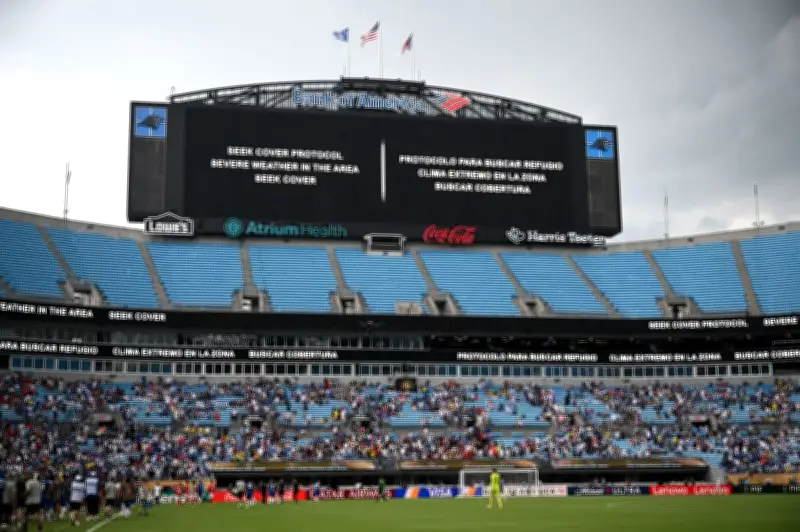
FIFA does not have its own severe weather policy. Instead, it must follow regulations set by local authorities, which take a strict approach, especially regarding lightning.
Any match is suspended if lightning is detected within eight miles of a stadium, triggering a delay of at least 30 minutes. All players must leave the pitch, and fans must vacate the stands. Play cannot resume until a full 30 minutes have passed with no lightning detected within that eight-mile radius.
How Long Can Delays Last?
FIFA has no fixed cut-off point for suspending a match. Decisions to call off a game are based on ensuring supporters can get home safely. If a match is postponed due to weather, it typically resumes the following day from the exact point it was stopped. For example, if a match was halted after 65 minutes, teams would return to play the remaining 35 minutes.

It remains unclear how FIFA will handle weather delays in simultaneous matches, such as the final round of group stage games.
According to Arthur Ferridge of the source article, lightning is expected to dominate narratives this summer, with many matches facing considerable delays or postponements. This phenomenon is not unfamiliar to followers of last summer's Club World Cup, where Chelsea's round-of-16 tie against Benfica was paused four minutes from time due to lightning, eventually finishing four-and-a-half hours after kick-off.