Coco Gauff Advocates for Enhanced Player Privacy Following Australian Open Defeat
American tennis star Coco Gauff has issued a powerful plea for increased privacy protections for professional players after her emotional reaction to a devastating Australian Open quarter-final loss was captured and broadcast worldwide. The third seed suffered a comprehensive 6-1, 6-2 defeat to Ukraine's Elina Svitolina in a match that lasted just fifty-nine minutes at Melbourne Park, ending her tournament ambitions in emphatic fashion.
Frustration Captured on Camera
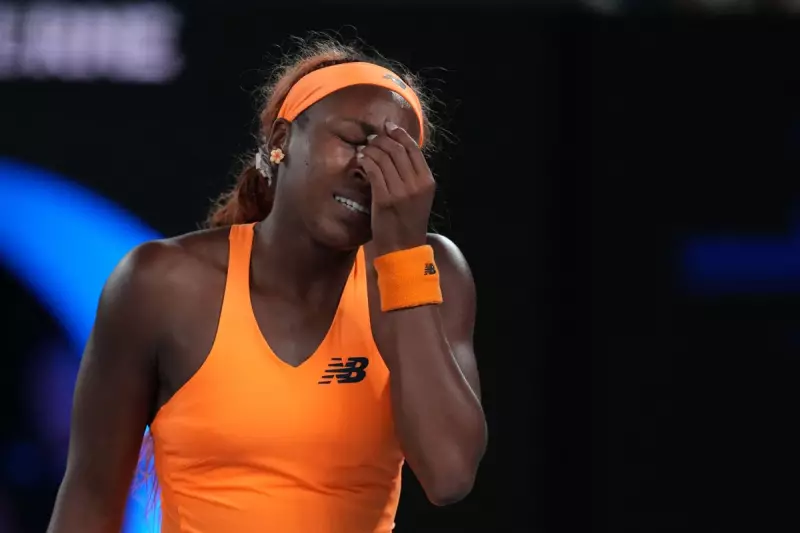
Gauff's disappointment was palpable as she swiftly exited the court following the match. The young athlete later revealed she had deliberately sought out a location she believed to be free from cameras to vent her frustration, repeatedly smashing her racket on the ground. However, this private moment was captured by the tournament's behind-the-scenes coverage and subsequently disseminated across television broadcasts and social media platforms.
"I tried to go somewhere where there was no cameras," Gauff explained candidly. "Certain moments – the same thing happened to Aryna Sabalenka after I played her in the final of the US Open – I feel like they don't need to be broadcast. So maybe some conversations can be had, because I feel like, at this tournament, the only private place we have is the locker room."

No Regrets Over Emotional Release
The reigning French Open champion expressed no remorse for her actions, emphasising the importance of emotional release in high-pressure professional sport. "I don't want to lash out on my team. They're good people. They don't deserve that, and I know I'm emotional. So I just took the minute to go and do that," Gauff stated. "I don't think it's a bad thing. I try not to do it on court in front of kids and things like that, but I do know I need to let out that emotion."
Gauff's performance statistics told a stark story of her struggles, with just three winners contrasted against twenty-six unforced errors throughout the match. "I tried my best to be positive, but I just felt like nothing for me was working," she admitted. "That's a bit frustrating when you are out there and you feel like your strengths aren't really doing their thing."
Svitolina's Career Milestone
While the match represented a significant disappointment for Gauff, it marked a career highlight for Elina Svitolina, who advanced to her fourth Grand Slam semi-final and her second since returning to professional tennis following the birth of her daughter Skai in 2022. The Ukrainian player, who took a mental health break at the end of last season, began her year by winning the WTA tournament in Auckland and is now poised to return to the world's top ten rankings.
"I'm very pleased with the tournament so far and it's always been my dream to come back after maternity leave in the top 10," Svitolina revealed. "Unfortunately it didn't happen last year but I told my coach this was my goal for this season. It means the world to me. I try to push myself, to give myself this motivation to continue."
Extreme Weather Conditions
The quarter-final matches unfolded during the hottest day Melbourne has experienced in seventeen years, with tournament organisers implementing significant schedule changes in response. The wheelchair draws were postponed until Wednesday, while junior matches commenced at 9am. The heat stress scale reached the critical cut-off mark of five just before 1:30pm, resulting in play on outside courts being suspended until after 7pm.
World number one Aryna Sabalenka, who will face Svitolina in the semi-finals after defeating eighteen-year-old Iva Jovic 6-3, 6-0, commented on the challenging conditions: "At the end of the match, it was really hot out there. I'm glad they closed the roof almost halfway so we had a lot of shade in the back." Sabalenka has yet to drop a set throughout the tournament.

Gauff reflected on her need to develop resilience during difficult performances, citing tennis legend Serena Williams as inspiration: "There were many matches watching Serena play that she would play bad and be able to scrap those out and win the title. I just need to figure out how to get through those bad days." Her call for privacy reforms now adds a significant dimension to the ongoing conversation about athlete welfare in modern professional sport.